How Many Years an Overweight Bullmastiff Loses
It’s a heartbreaking reality that our beloved Bullmastiffs already have a shorter journey with us than many other breeds. So, when we see them packing on a few extra pounds, it's not just about aesthetics; it's about the very precious time we have together. Carrying excess weight doesn't just make them look a little rounder; it actively steals years from their lives and diminishes the quality of the years they do have. This guide will delve into the profound impact of obesity on a Bullmastiff's lifespan and overall well-being, helping you understand why a lean physique is truly a gift of love to your gentle giant.
The Hidden Cost of Extra Pounds: Years Off a Bullmastiff's Life
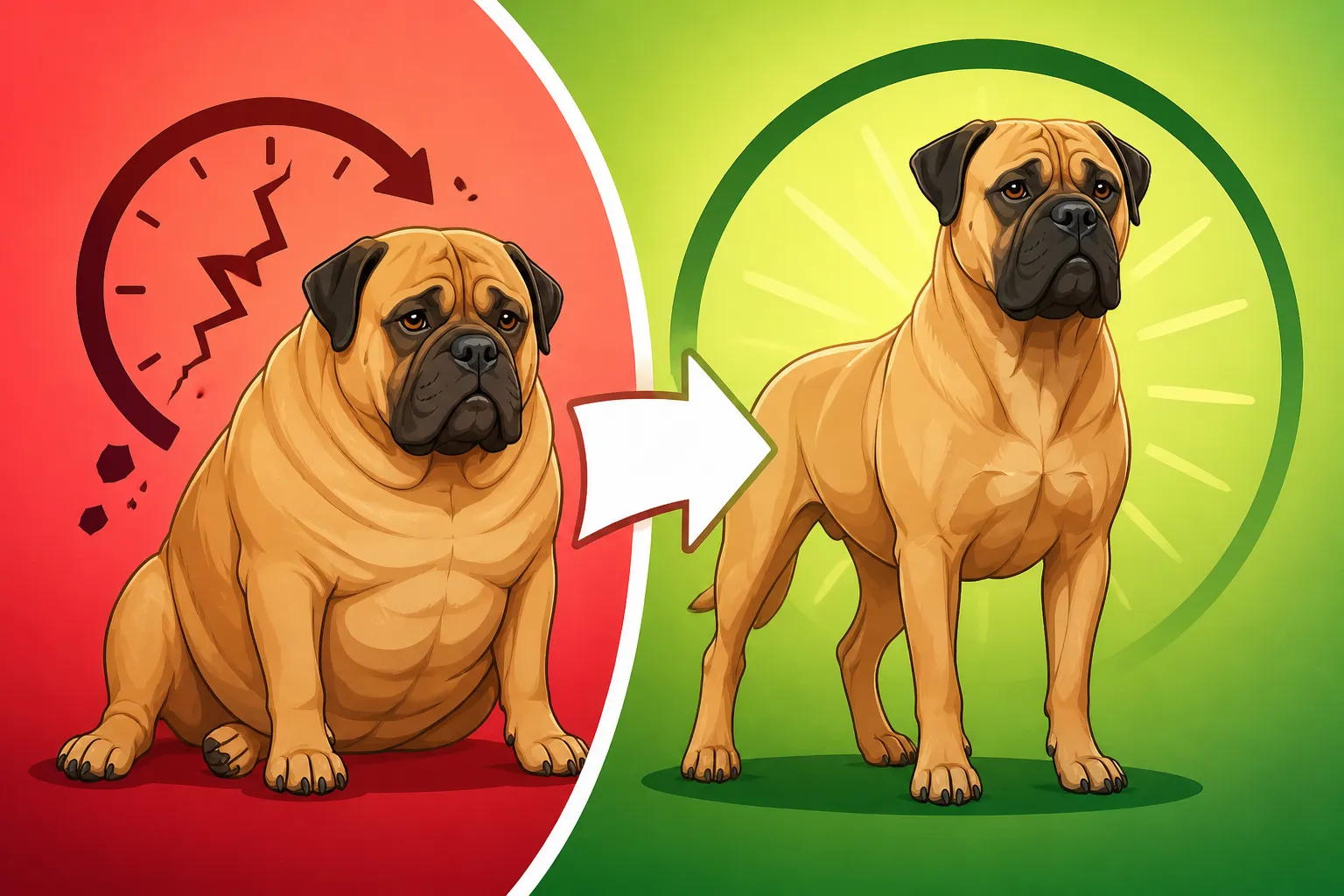
When you look at your magnificent Bullmastiff, it’s easy to focus on their impressive size and calm demeanor. But beneath that impressive exterior, every extra pound they carry places an immense burden on their bodies, often leading to a significantly shortened lifespan. It’s a harsh truth to confront, but studies consistently show that overweight dogs live shorter lives, sometimes by years. For a breed like the Bullmastiff, whose average lifespan is already on the shorter side compared to smaller dogs, losing even a year or two can feel like an eternity.
The Direct Link Between Obesity and Shorter Lifespan
We often rationalize a slightly chubby pet by saying they look "sturdy" or "well-fed," but the scientific evidence is clear: obesity is a disease that takes a measurable toll. Research conducted on thousands of dogs has demonstrated a direct correlation between being overweight and a reduced lifespan. While the exact number of years can vary based on individual genetics, the degree of obesity, and other health factors, it’s not uncommon for an obese dog to live one to two years less than its lean counterparts. For a Bullmastiff, whose typical lifespan is often cited as around How Long a Bullmastiff Lives on Average, this reduction is profoundly significant. It means potentially losing 10-20% of their life with you, simply due to carrying too much weight.
Imagine a Bullmastiff who, at six years old, should still be enjoying active, comfortable senior years, but is instead struggling with aches and pains, making every movement a chore. This isn't just about the numerical loss of years; it's about the quality of those years. The strain on their organs, their joints, and their overall system is constant, making them more susceptible to illnesses and reducing their resilience against age-related decline. It’s a silent thief, gradually robbing them of vitality.
Why Every Pound Matters for a Giant Breed
For a giant breed like the Bullmastiff, weighing in at well over 100 pounds, every single extra pound they carry has an amplified effect. A five-pound weight gain on a small terrier is one thing; five pounds on a Bullmastiff is still concerning, but ten or twenty pounds is catastrophic. Their skeletal structure, while robust, is designed to support a specific, healthy weight range. When that range is exceeded, the forces acting on their joints, spine, and internal organs become immense.
Think about the sheer physics involved. A Bullmastiff can weigh up to 130 pounds or more, depending on gender and build. If they gain an additional 20 pounds, that’s like asking a healthy human to carry a 20-pound backpack at all times, even when sleeping. Now imagine the impact of that extra weight on a dog’s knees, hips, and elbows, which already bear significant loads. The stress is relentless, accelerating wear and tear far beyond what’s natural. This constant overload contributes to inflammation and degeneration, laying the groundwork for chronic pain and premature aging. It’s a cycle that, once started, is difficult to reverse, underscoring the vital importance of Keeping a Bullmastiff Lean Is the Best Thing You Can Do throughout their life.
The Cascade of Health Problems Amplified by Obesity
Beyond the direct reduction in lifespan, obesity sets off a domino effect of serious health issues that complicate a Bullmastiff’s life, making their days less comfortable and often leading to painful, expensive, and ultimately life-limiting conditions. These aren’t minor inconveniences; they are fundamental assaults on your dog’s well-being.
Joint Degeneration and Mobility Issues
One of the most immediate and painful consequences of excess weight in a Bullmastiff is the exacerbation of joint problems. These magnificent dogs are already prone to orthopedic issues like Hip Dysplasia in a Bullmastiff and elbow dysplasia. When you add extra weight to the equation, it’s like pouring gasoline on a small fire. The cartilage in their joints, designed to cushion movement, wears down much faster under the increased pressure. This leads to chronic pain, inflammation, and the early onset of arthritis, transforming a once fluid gait into a stiff, hesitant shuffle.
Imagine your Bullmastiff struggling to rise from a lying position, their powerful legs trembling with effort. Or perhaps they hesitate before jumping into the car or climbing a few steps, activities they once managed with ease. This isn't just sad to witness; it's a profound reduction in their quality of life. The pain can be constant, leading to reduced activity, which in turn leads to more weight gain, creating a vicious cycle that's incredibly difficult to break. Owners often find themselves considering Whether a Bullmastiff Needs Joint Medication Early just to manage the discomfort that could have been mitigated by maintaining a healthy weight. Mobility aids, specialized beds, and frequent vet visits for pain management become the norm, all while the dog's joy in movement is slowly eroded.
Increased Risk of Serious Diseases
While joint pain is perhaps the most visible consequence, obesity also silently contributes to a host of other debilitating and life-threatening diseases in Bullmastiffs. Their large bodies, when laden with extra fat, become fertile ground for metabolic and systemic problems.
One of the most common is canine diabetes mellitus, where the body struggles to regulate blood sugar, much like in humans. Excess fat cells interfere with insulin's ability to do its job, often leading to insulin resistance. This requires daily insulin injections, special diets, and constant monitoring, adding a significant layer of stress and financial burden to ownership. Then there’s the cardiovascular system, which has to work harder to pump blood through a larger body mass, increasing the risk of heart disease and high blood pressure. While Bullmastiffs are known for their calm nature, an overburdened heart can lead to lethargy, exercise intolerance, and a greater risk of sudden collapse.
Furthermore, obesity can impact respiratory function. Bullmastiffs, with their somewhat brachycephalic (short-nosed) features, already have a predisposition to Whether a Bullmastiff Has Breathing Problems. Extra fat around the neck and chest can further constrict airways, making breathing more difficult, especially in warm weather or during exertion. This reduced oxygen intake affects every organ in the body and adds stress to their system. Although obesity isn't generally listed as a direct cause of specific cancers like lymphoma (which is one of What Most Bullmastiffs Die Of), chronic inflammation and altered hormone levels associated with excessive fat can potentially create an environment more conducive to cancer development and progression. It weakens their overall health, making them less resilient against any illness that comes their way.
The Toll on Quality of Life and Comfort
Beyond the specific diseases, the most tragic consequence of obesity is the profound impact on your Bullmastiff's overall quality of life and comfort. A lean Bullmastiff is majestic and capable, enjoying walks, gentle play, and moving freely around the home. An overweight Bullmastiff often exists in a state of diminished capacity.
They might be less inclined to play, not because they don't want to, but because it's simply too painful or exhausting. Walks become shorter, slower, and less frequent, leading to mental under-stimulation and boredom. Simple pleasures, like rolling in the grass or stretching out comfortably, can become difficult due to their bulk. Their ability to regulate their body temperature can also be compromised, making them more susceptible to overheating. Imagine the discomfort of constantly carrying extra weight, coupled with stiff joints and labored breathing. This isn't the life any of us envision for our beloved companions. It’s a quiet suffering that, while not always loudly expressed, is evident in their reluctance to move, their heavy breathing, and their general demeanor. This reduced quality of life is, in many ways, even more heartbreaking than the shortened years themselves.
Recognizing the Problem and Taking Action
It’s easy to let the pounds creep on, especially with a breed as large and impressive as a Bullmastiff. Their sheer size can sometimes mask gradual weight gain. However, recognizing the problem early and taking decisive action is the greatest gift you can give your dog, extending not just their life, but the joy and comfort within it.
How to Tell if Your Bullmastiff is Overweight
Identifying that your Bullmastiff is carrying too much weight involves more than just looking at them and thinking they seem a bit chunky. It requires a hands-on approach and an understanding of what a healthy Bullmastiff should look and feel like. These are the Signs a Bullmastiff Is Overweight:
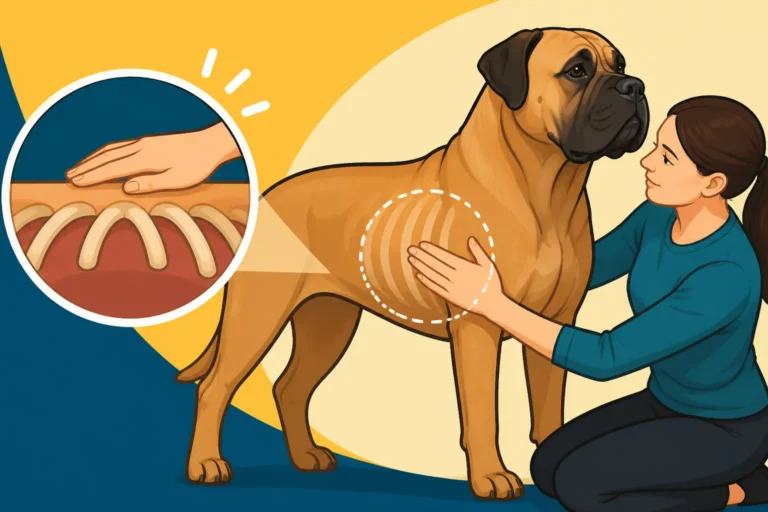
- Rib Check: This is often the first and most crucial indicator. You should be able to easily feel your Bullmastiff's ribs with minimal fat covering, without pressing hard. If you have to dig your fingers in to feel them, or if you can't feel them at all, they are likely overweight.
- Waistline: When viewed from above, your Bullmastiff should have a distinct, albeit subtle, waistline where the body tapers in slightly behind the rib cage. If they look like a solid cylinder from head to tail, with no discernible waist, they are carrying too much fat.
- Abdominal Tuck: When viewed from the side, a healthy Bullmastiff should have a slight tuck-up in their abdomen, meaning their belly isn't hanging low or parallel to the ground but slopes upwards from the chest to the hind legs.
- Fat Pads: Look for excessive fat deposits over the hips, at the base of the tail, and around the neck. These are common areas where extra weight accumulates.
- Behavioral Changes: Are they more lethargic? Less interested in walks or play? Struggling to get up or lie down? While these can be signs of other issues, they are often linked to discomfort from excess weight.
It's helpful to compare your Bullmastiff's current condition to the breed standard, which describes What an Adult Bullmastiff Should Weigh and look like when healthy. Don't rely solely on the number on the scale; body condition is far more important than a specific weight, as individual Bullmastiffs can vary in build. Your veterinarian is your best partner in assessing your dog’s body condition score and setting realistic goals.
Strategies for Healthy Weight Loss
Once you've identified that your Bullmastiff needs to shed some pounds, the path to healthy weight loss involves a combination of dietary adjustments and appropriate exercise. This isn't about crash dieting; it's about sustainable, gradual change.
First and foremost, diet is paramount. Begin by accurately measuring your Bullmastiff's current food intake. Many owners simply "eyeball" portions, which can easily lead to overfeeding. Use a measuring cup every single time. Next, consult your vet about reducing their caloric intake. This might involve feeding a prescription weight-loss diet, or simply reducing the amount of their current high-quality food. You might also consider fresh dog food options like those from Ollie, which offer precisely portioned meals tailored to your dog's specific caloric needs, making it easier to manage their intake accurately. Be mindful of treats; they add calories quickly! Opt for low-calorie options or use their regular kibble as training rewards.
Exercise also plays a crucial role, but it must be appropriate for a large, potentially overweight dog. Start slowly with gentle, consistent walks. Avoid high-impact activities that could further strain their joints. Instead of one long, strenuous walk, consider a few shorter, controlled walks throughout the day. Swimming can be an excellent low-impact exercise for Bullmastiffs, if they enjoy it. As they lose weight and their joints become less burdened, you can gradually increase the duration and intensity of their activity. Remember, the goal is consistent, manageable movement, not sudden, intense bursts. You can find slow feeder bowls on platforms like Amazon or Chewy to help slow down their eating, which can also aid digestion and satiety. Getting Weight Off a Bullmastiff is a marathon, not a sprint, and patience is key.
The Importance of a Lean Body Condition from Puppyhood
The journey to a healthy weight for a Bullmastiff truly begins in puppyhood. It's a common misconception that a chubby puppy is a healthy puppy, but nothing could be further from the truth, especially for giant breeds. Allowing a Bullmastiff puppy to grow too quickly or become overweight puts immense, irreversible stress on their developing joints and skeletal structure. This early strain can predispose them to orthopedic problems later in life, regardless of how well their weight is managed as an adult.
Responsible breeders and veterinarians will emphasize Why a Bullmastiff Puppy Should Be Kept Lean. This means feeding a high-quality, large-breed puppy food designed for slow, steady growth, and carefully controlling portion sizes. It also means avoiding excessive, uncontrolled exercise, which can also harm developing joints. Establishing good habits early, like consistent meal times, appropriate portions, and regular, moderate activity, sets the foundation for a lifetime of health and helps prevent many of the issues discussed above. It’s an investment in their long-term well-being and a testament to the wisdom of Keeping a Bullmastiff Lean Is the Best Thing You Can Do from the very start.
By understanding the signs of being overweight, implementing effective weight loss strategies, and instilling good habits from puppyhood, you can make a profound difference in your Bullmastiff's health and happiness.
Here's a quick overview of key body condition indicators:
| Body Condition Score (BCS) | Appearance | Ribs | Waistline/Tuck-Up | Health Implications (Overweight Bullmastiff) |
|---|---|---|---|---|
| Ideal (BCS 4-5/9) | Well-proportioned, lean muscle definition. | Easily felt with light pressure. | Clearly visible tuck-up. Distinct waist from above. | Optimal health, good mobility, ideal lifespan. |
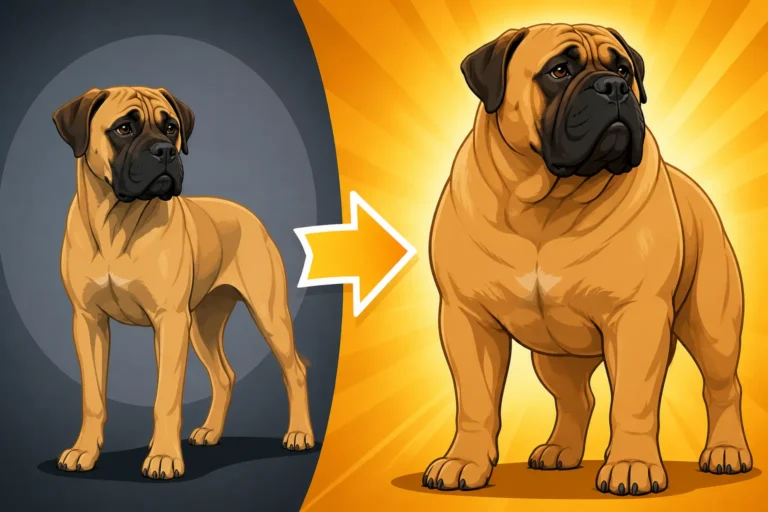
| Overweight (BCS 6-7/9) | Slightly rounded, heavier frame. | Difficult to feel without firm pressure. | Minimal tuck-up. Waist barely discernible. | Increased joint strain, higher disease risk. |
| Obese (BCS 8-9/9) | Very rounded, sagging abdomen, no definition. | Cannot feel ribs, thick fat layer. | No tuck-up. Abdomen may sag. No waist. | Significantly shortened lifespan, severe health risks. |
Caring for an aging Bullmastiff can become particularly challenging if they are overweight, as age-related issues combine with the burden of excess pounds. Caring for an Aging Bullmastiff often involves managing joint pain and mobility challenges, which are drastically worsened by obesity. This means What Changes in an Aging Bullmastiff's Care for an overweight senior will include even more careful diet management and often more medication for pain. Seeing Why an Aging Bullmastiff Struggles to Rise is heartbreaking, and often, a major contributing factor is the simple, heavy truth of excess weight.
Disclaimer
This article is for general informational purposes only and does not constitute professional advice. Laws, prices and regulations vary by location and change over time. Consult a qualified professional for guidance on your specific situation.