What Most Bullmastiffs Die Of
It's a heartbreaking reality that many Bullmastiff owners face: the profound grief of losing their beloved giant far too soon. These magnificent, gentle giants capture our hearts completely, making their typically shorter lifespans a particularly difficult pill to swallow. This guide isn't here to sugarcoat things, but to delve deeply into the most common causes of death for Bullmastiffs, providing you with the knowledge to understand what to look for, how to potentially mitigate risks, and what to expect as they age.
The Uncomfortable Truth: Major Health Concerns Shortening Bullmastiff Lives
Owning a Bullmastiff is an incredible privilege, but it also comes with the heavy responsibility of understanding their breed-specific health vulnerabilities. It’s not just about their imposing size; it’s about their genetic blueprint, which, unfortunately, predisposes them to certain severe conditions that can tragically shorten their time with us. Many of us wish we had more years with our gentle protectors, and this shared frustration often stems from the prevalence of a few key health issues that consistently top the list of causes of death.
Top Causes of Mortality: What the Data Shows
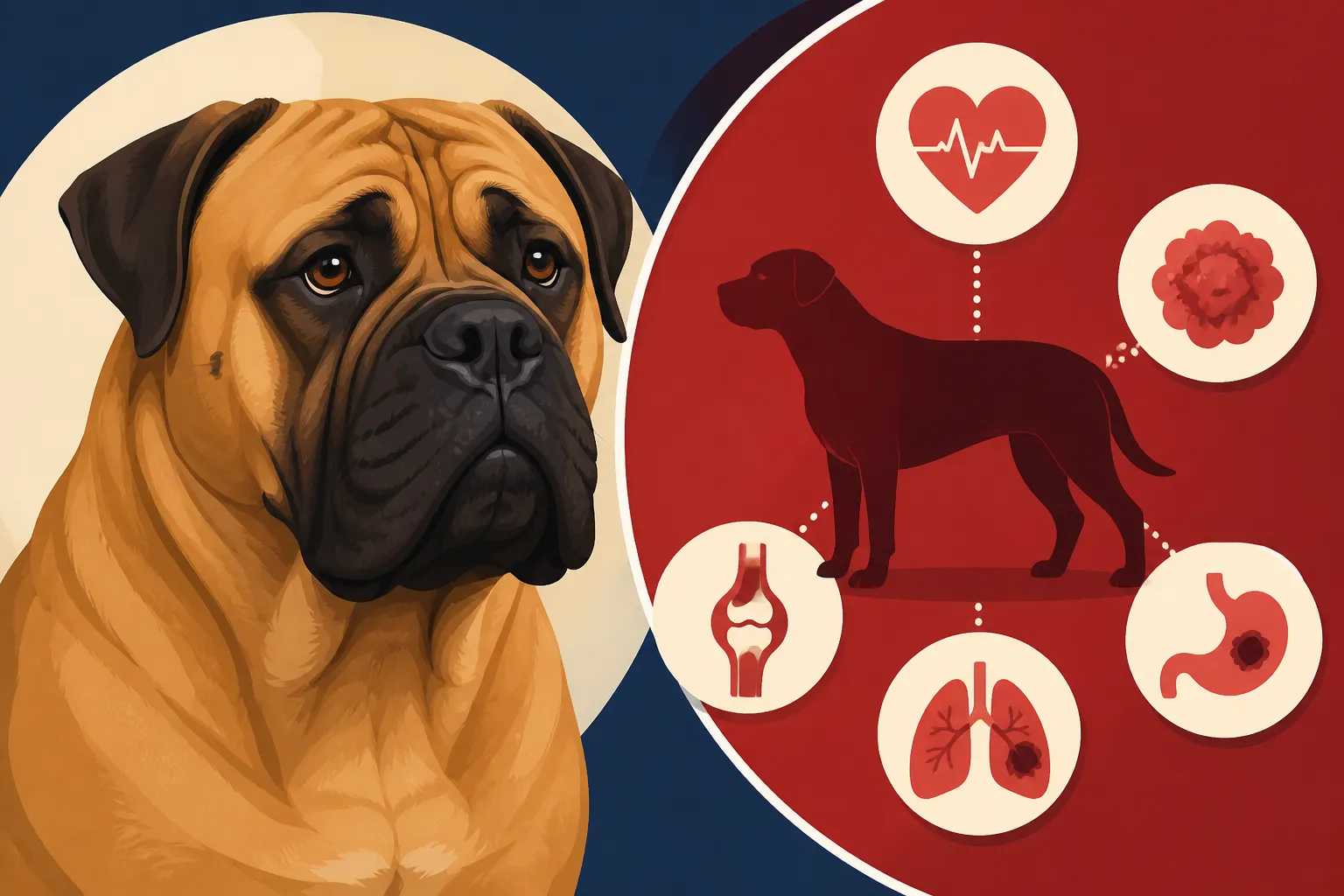
When we look at veterinary data and comprehensive health surveys, a clear, if grim, picture emerges about why Bullmastiffs pass away. By an overwhelming margin, various forms of cancer are the leading cause of death. It's a cruel twist that these dogs, bred for strength and protection, often succumb to internal battles with cellular overgrowth. After cancer, other significant factors include cardiac diseases, particularly a condition called subaortic stenosis, and gastric emergencies like bloat. Age-related conditions, while a natural part of life, often accelerate due to the strain on their massive bodies and pre-existing ailments. This isn't just about general dog health; it's about specific weaknesses within the Bullmastiff genetic lines that make these conditions disproportionately common.
The Impact of Genetics and Breeding
You might wonder why certain diseases hit Bullmastiffs so hard. The answer, often, lies deep within their genetic heritage. Like many purebred dogs, Bullmastiffs were developed for specific traits, and sometimes, in that process, certain genetic predispositions to illness were inadvertently carried forward or even amplified. Responsible breeders strive to minimize these risks through careful screening and selective breeding. For instance, reputable breeders will perform health clearances for hip and elbow dysplasia, as well as cardiac evaluations. However, even with the best intentions and rigorous testing, some conditions, especially complex ones like cancer, are incredibly difficult to eradicate entirely from a gene pool. It’s a constant battle for breeders to maintain the integrity of the breed while simultaneously working towards a healthier future. Understanding this genetic component helps us, as owners, appreciate that while we can take preventative measures, some battles are simply inherited. It's why researching a puppy's lineage and asking a breeder about the longevity and health history of their dogs – not just the parents, but grandparents and even great-grandparents – is so crucial.
Lymphoma: The Silent Killer Among Bullmastiffs
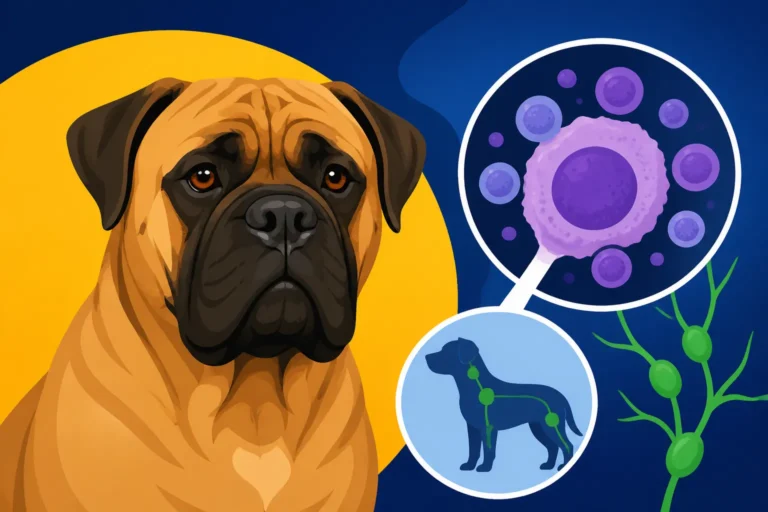
If you've spent any time researching Bullmastiff health, you've likely encountered the word "lymphoma" with a sinking feeling. It's a diagnosis that strikes fear into the hearts of owners, and for good reason. Lymphoma is tragically common in Bullmastiffs and accounts for a significant percentage of their cancer-related deaths. It's a cancer of the lymphatic system, which is crucial for the immune system, meaning it can appear almost anywhere in the body.
Why Lymphoma is So Prevalent in Bullmastiffs
It's truly frustrating and heartbreaking that Bullmastiffs seem to have such a profound predisposition to lymphoma. It’s not just anecdotal; research shows that their risk is significantly higher than that of many other breeds. In fact, you might be surprised to learn that Why a Bullmastiff's Lymphoma Risk Is Five Times a Mixed Breed's is a documented reality. This isn't typically due to environmental factors alone, but rather a strong genetic component that researchers are still trying to fully understand. The disease tends to be aggressive in Bullmastiffs, often progressing rapidly once symptoms become apparent. This genetic vulnerability means that even with the best care, a Bullmastiff might face this daunting challenge. It feels unfair, but it's the reality we, as Bullmastiff parents, often confront.
Adding to the despair, lymphoma in Bullmastiffs often appears at what many would consider a relatively young age. While cancer is generally associated with old age, it's not uncommon for a Bullmastiff to receive a lymphoma diagnosis when they are just 4, 5, or 6 years old. To get more insight into this, you can look into The Age Lymphoma Appears in a Bullmastiff. This is part of why their median lifespan, often around eight and a half years, feels so short. The disease doesn't usually wait for them to enter their golden years, making these diagnoses particularly devastating and robbing owners of precious time with their companions.
Recognizing the Subtle Signs and Diagnosis Challenges
One of the most insidious aspects of lymphoma is how subtly it can begin. Often, the initial Signs a Bullmastiff Has Lymphoma are vague and easily dismissed as normal aging or other minor ailments. You might notice a slight decrease in appetite, a little less energy, or perhaps some weight loss that you attribute to them being "picky" or "slowing down." The most common, and often first, detectable sign is enlarged lymph nodes, particularly in the neck (under the jaw), armpits, or behind the knees. These might feel like firm, rubbery lumps that weren't there before. However, sometimes the lymphoma affects internal organs first, making external detection even harder.
The diagnostic process can also be an emotional rollercoaster. If you notice any suspicious lumps or changes in your Bullmastiff's behavior, your vet will likely start with a physical exam and blood work. If lymph nodes are enlarged, the next step is usually a fine needle aspirate (FNA) or, more definitively, a surgical biopsy of the affected lymph node. This is crucial for accurately diagnosing the type of lymphoma and guiding treatment decisions. Understanding How Lymphoma Is Diagnosed in a Bullmastiff can help you advocate for your dog and understand the steps your veterinary team is taking. Getting a confirmed diagnosis, while terrifying, is the first step toward understanding your options.
The Difficult Road of Treatment and Prognosis
Receiving a lymphoma diagnosis for your Bullmastiff is like being hit by a freight train. The next step, treatment, is often a complex and emotionally draining journey. The standard approach for Bullmastiff lymphoma is chemotherapy, often involving a multi-drug protocol that aims to induce remission and extend their quality of life. There are various protocols, and your veterinary oncologist will discuss the best options for your dog. For a detailed look at the process, consider reading How a Bullmastiff's Lymphoma Is Treated. This isn't a cure, unfortunately, but it can buy you precious months, or sometimes even a year or two, with your beloved companion.
The financial burden of chemotherapy is another significant stressor for owners. Treatments can range from several thousand to tens of thousands of dollars, depending on the protocol and length of treatment. It's a harsh reality that the cost can be a deciding factor for many families. This is where pet insurance, like plans from Healthy Paws, can be an absolute lifesaver, helping to offset the considerable expense of What Chemotherapy Costs for a Bullmastiff. Discussing these costs transparently with your vet is essential, along with carefully weighing the potential benefits against the impact on your dog's quality of life. It’s a deeply personal decision, and there’s no single right answer.
Even with successful chemotherapy, the reality for most Bullmastiffs is that lymphoma will eventually return. Remission periods, while incredibly welcome, often don't last as long as we desperately wish they would. Typically, How Long Remission Lasts in a Bullmastiff can range from a few months to a year or slightly more. When the cancer relapses, decisions become even harder. Often, subsequent rounds of chemotherapy are less effective, or the side effects might become more pronounced. This emotional rollercoaster, combined with the financial strain, often leads to the heartbreaking decision to prioritize comfort and quality of life over aggressive treatment, making these final months about cherished moments rather than clinic visits.
Other Cancers that Plague Bullmastiffs
While lymphoma is a significant concern, it's not the only type of cancer that disproportionately affects Bullmastiffs. Their large size and genetic makeup make them susceptible to several other aggressive forms of cancer, each presenting its own set of challenges and heartbreaks for owners.
Mast Cell Tumors: The Lumps That Matter
You've probably felt it before – that little lump under the skin, or perhaps a firmer mass. While not all lumps are cancerous, mast cell tumors are a type of skin cancer that is unfortunately common in Bullmastiffs. These tumors can appear almost anywhere on the body, sometimes resembling a benign fatty lipoma, which makes their detection tricky. It’s why you always hear vets say "any lump, any bump" needs to be checked. For more information on where they commonly appear, check out Mast Cell Tumors and the Lumps on a Bullmastiff.
The tricky part about mast cell tumors is their unpredictable nature. They can be low-grade and easily removed, or high-grade and highly aggressive, spreading rapidly to internal organs. This makes early detection absolutely critical. Regularly performing a full-body check on your Bullmastiff, feeling for any new bumps or changes, is a vital part of proactive care. If you find something, don't wait. A fine needle aspirate can often provide an initial indication of what you're dealing with. Learning How to Check a Bullmastiff for Lumps is an essential skill for any Bullmastiff owner, as swift action can significantly impact the prognosis for these tumors. Surgical removal with wide margins is typically the first line of defense, sometimes followed by radiation or chemotherapy depending on the tumor's grade and location.
Osteosarcoma and Hemangiosarcoma: Aggressive and Devastating
Beyond lymphoma and mast cell tumors, Bullmastiffs are also at an increased risk for two other particularly aggressive and devastating cancers: osteosarcoma and hemangiosarcoma. These are the kinds of diagnoses that leave owners reeling, as they often come with a very poor prognosis due to their rapid progression and metastatic potential.
Osteosarcoma is a brutal bone cancer that primarily affects the long bones of the limbs. For a large breed like a Bullmastiff, the weight and stress on their bones might contribute to its development, though genetics are the primary driver. It typically presents as lameness or swelling in a limb, which can initially be mistaken for an injury or arthritis. However, the pain associated with osteosarcoma is often intense and progressive. A deep dive into this condition can be found in our article on Osteosarcoma in a Bullmastiff. Unfortunately, by the time symptoms are noticeable, the cancer often has microscopic metastases elsewhere in the body, making amputation and chemotherapy a race against time, with survival times typically measured in months.
Hemangiosarcoma, on the other hand, is a cancer of the blood vessel lining cells. It can occur anywhere but is most commonly found in the spleen, heart, or skin. This cancer is particularly insidious because it often progresses silently, with few to no external signs until a tumor ruptures, leading to sudden, life-threatening internal bleeding. This can manifest as weakness, pale gums, difficulty breathing, or sudden collapse. Many owners report their Bullmastiff seeming fine one moment and then critically ill the next. Learning more about Hemangiosarcoma in a Bullmastiff highlights just how quickly this disease can take hold. Treatment, usually involving surgery to remove the ruptured tumor and often followed by chemotherapy, is an emergency procedure, but even with heroic efforts, the prognosis remains guarded, and recurrence is common. These cancers represent some of the most challenging battles Bullmastiff owners can face, underscoring the importance of early detection and knowing your dog's subtle cues.
Cardiovascular and Gastric Emergencies
While cancer steals many Bullmastiffs too soon, other non-cancerous conditions also pose significant, often acute, threats to their lives. Cardiovascular issues and gastric emergencies are particularly frightening because they can strike suddenly and require immediate intervention.
Subaortic Stenosis: A Hidden Heart Defect
The thought of your gentle giant’s heart having a hidden flaw is truly terrifying, but Subaortic Stenosis (SAS) is a congenital heart defect that Bullmastiffs are unfortunately predisposed to. SAS involves a narrowing of the outflow tract from the left ventricle of the heart, just below the aortic valve. This narrowing forces the heart to work harder to pump blood to the body, leading to increased pressure and eventually, thickening of the heart muscle. Over time, this can lead to heart failure, irregular heart rhythms, or even sudden death. For a more detailed understanding of this condition, you can refer to What Subaortic Stenosis Does to a Bullmastiff.
What makes SAS so insidious is that it's often present from birth but can remain undetected for a period. A puppy might have a heart murmur that is initially dismissed as "innocent," only for it to become more pronounced or problematic as they grow. Sometimes, the condition isn't discovered until a Bullmastiff is older, during a routine check-up, or tragically, when they suffer a sudden collapse or heart attack. Our article on The Age Subaortic Stenosis Is Found in a Bullmastiff covers these timelines. This is why cardiac screening, specifically an echocardiogram performed by a board-certified veterinary cardiologist, is so crucial for Bullmastiff puppies and breeding adults. While there's no cure for severe SAS, beta-blockers can sometimes help manage the condition and delay the progression of symptoms, but it requires lifelong monitoring.
Bloat (GDV): The Sudden, Life-Threatening Crisis
Bloat, or Gastric Dilatation-Volvulus (GDV), is every large breed owner's nightmare, and for Bullmastiffs, it's a very real and urgent threat. This condition occurs when the stomach fills with gas and then twists upon itself, trapping the gas and cutting off blood supply to the stomach and other organs. It's excruciatingly painful and progresses rapidly, leading to shock and death if not treated immediately. The anatomy of deep-chested breeds like Bullmastiffs is thought to contribute to their higher risk. You can learn more about Bloat in a Bullmastiff.
Recognizing the signs of bloat instantly is paramount. Symptoms can include restlessness, pacing, unproductive retching (trying to vomit but nothing comes up), distended abdomen, excessive drooling, and signs of pain. If you see Signs a Bullmastiff Is Bloating, do not hesitate—get to an emergency veterinary clinic immediately. Every minute counts with bloat. Veterinary intervention typically involves decompressing the stomach and then performing surgery to untwist it and, crucially, to perform a gastropexy. A gastropexy is a procedure where the stomach is surgically attached to the abdominal wall, significantly reducing the chance of it twisting again.
Many Bullmastiff owners, understanding the severity and prevalence of bloat, opt for a prophylactic gastropexy, often performed at the same time as spaying or neutering. This preventative measure can literally save your Bullmastiff's life, and for many, it provides immense peace of mind. Our article Whether a Bullmastiff Should Have a Gastropexy delves into this option. While the surgery has a cost, many pet insurance providers like Healthy Paws may cover a portion of preventative procedures like this, or certainly the emergency treatment if it occurs. It's one of the few serious conditions where proactive surgical intervention can offer substantial protection, making it a conversation worth having with your vet.
The Inevitable Decline: Age-Related and Musculoskeletal Challenges
While acute illnesses and cancers can tragically cut a Bullmastiff's life short, even those fortunate enough to escape these specific dangers will eventually face the challenges of old age. For a giant breed, the sheer size and weight of their bodies take a heavy toll over the years, often leading to debilitating musculoskeletal issues and a general decline in quality of life that becomes the ultimate cause of death.
Arthritis and Mobility Issues
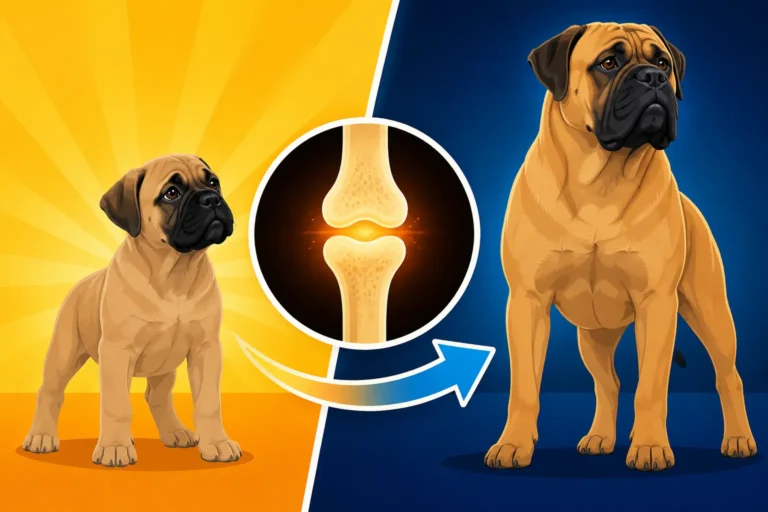
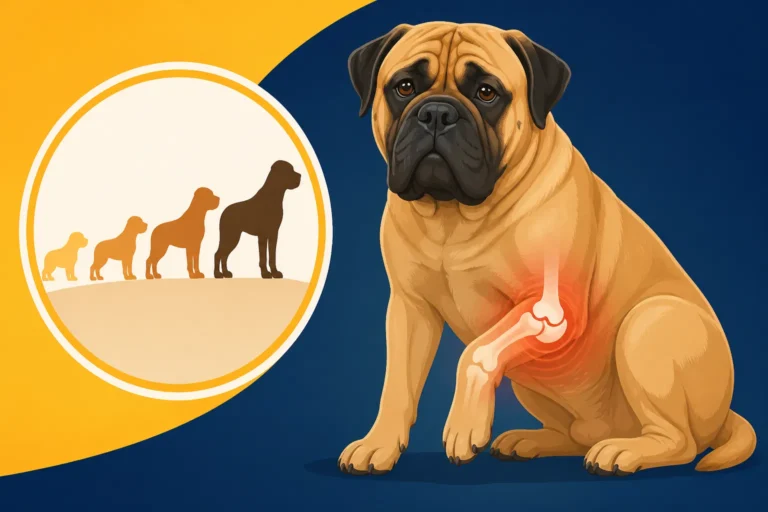
It’s truly difficult to watch our powerful Bullmastiffs, once so robust and agile (in their own lumbering way), begin to struggle with movement. Given their substantial weight, conditions like arthritis are almost an inevitability as they age. But beyond typical wear and tear, Bullmastiffs are also prone to hereditary joint diseases such as Hip Dysplasia in a Bullmastiff and elbow dysplasia. These conditions, if present, mean their joints are already compromised, and arthritis sets in much earlier and more severely. The constant strain on their hips, elbows, and spine from supporting 100-130 pounds, or even more, means that by the time they reach their senior years, many are battling significant pain and stiffness.
Managing this pain and maintaining their mobility becomes a central part of their care. This can involve a combination of anti-inflammatory medications, joint supplements (like glucosamine and chondroitin), physical therapy, hydrotherapy, and ensuring they have orthopedic bedding. The cost of these medications and therapies can be substantial, and again, having a good pet insurance plan from Healthy Paws can alleviate some of this financial stress, allowing you to prioritize your dog's comfort. As their mobility declines, simple tasks like standing up, navigating stairs, or even getting comfortable can become immense struggles. It's heartbreaking to see their spirit willing but their body failing, and this loss of mobility often leads to a significant decrease in their quality of life, which can be a key factor in end-of-life decisions.
Overall Decline and Quality of Life
For Bullmastiffs, "senior" age typically begins earlier than for smaller breeds. While a small terrier might be considered senior at 10 or 12, a Bullmastiff often reaches this stage around 6 or 7 years old. We explore this further in The Age a Bullmastiff Is Considered Senior. Beyond specific diseases, the cumulative effect of a lifetime of being a giant breed—the strain on their organs, the slower healing, the reduced efficiency of their immune system—all contribute to a general decline. They might sleep more, their cognitive function might decrease, and they might lose muscle mass despite adequate nutrition. Their senses, like hearing and eyesight, can also diminish.
At this point, care shifts towards comfort and maintaining their dignity. Regular veterinary check-ups become even more crucial, allowing your vet to monitor chronic conditions, adjust pain medications, and assess their overall well-being. This is a time when truly assessing their quality of life, day by day, is paramount. Are they still enjoying their food? Do they have moments of joy? Can they move comfortably enough to relieve themselves? These are difficult questions, but honest answers help guide the most compassionate choices for their final days. Whether they succumb to a specific organ failure, a sudden decline in a chronic condition, or simply a generalized failure to thrive, the ultimate decision often rests on preventing prolonged suffering and ensuring their peace. Knowing that The Median Bullmastiff Lives Eight and a Half Years helps put this inevitable decline into perspective, though it never makes it any easier.
Here's a summary of the most common causes of death in Bullmastiffs:
| Cause of Death | Common Age of Onset | Key Characteristics | Prognosis | Preventative Measures/Management |
|---|---|---|---|---|
| Lymphoma | 4-7 years | Enlarged lymph nodes, lethargy, weight loss | Guarded, often short remission after chemo | Careful breeding, vigilant lump checks |
| Mast Cell Tumors | Any age, more common 5+ | Skin lumps, can be internal or external | Varies by grade, early surgical removal critical | Regular full-body checks, prompt vet visits for new lumps |
| Osteosarcoma | 6-10 years | Lameness, swelling, severe bone pain in limbs | Poor, rapid metastasis | Careful breeding |
| Hemangiosarcoma | 6-10 years | Sudden collapse, internal bleeding, weakness | Very poor, often acute death | None, vigilance for subtle signs |
| Subaortic Stenosis | Present at birth, symptoms 1-4 years | Heart murmur, fatigue, sudden collapse, heart failure | Varies by severity, lifelong management if mild | Cardiac screening (echocardiogram) for puppies and breeding stock |
| Bloat (GDV) | Any age, more common 2+ | Restlessness, unproductive retching, distended abdomen | Critical emergency, fatal without immediate treatment | Prophylactic gastropexy, slow feeders, rest after meals |
| Arthritis/Mobility | 6-8 years (senior) | Stiffness, lameness, difficulty rising | Progressive, manageable for a time | Weight management, joint supplements, orthopedic beds, pain meds |
| General Old Age Decline | 7-9 years+ | Lethargy, muscle loss, organ system failure | Inevitable, focus on quality of life | Proactive health care, nutrition, comfort |
This table provides a concise overview of the difficult realities we face as Bullmastiff owners, highlighting the importance of understanding these conditions to provide the best possible care for our cherished companions.
Disclaimer
This article is intended for informational purposes only and does not constitute veterinary advice. Always consult with a qualified veterinarian for any health concerns or before making any decisions about your Bullmastiff's care. Breed-specific information is based on general trends and research, but every dog is an individual.