Why Bullmastiffs Are Surrendered
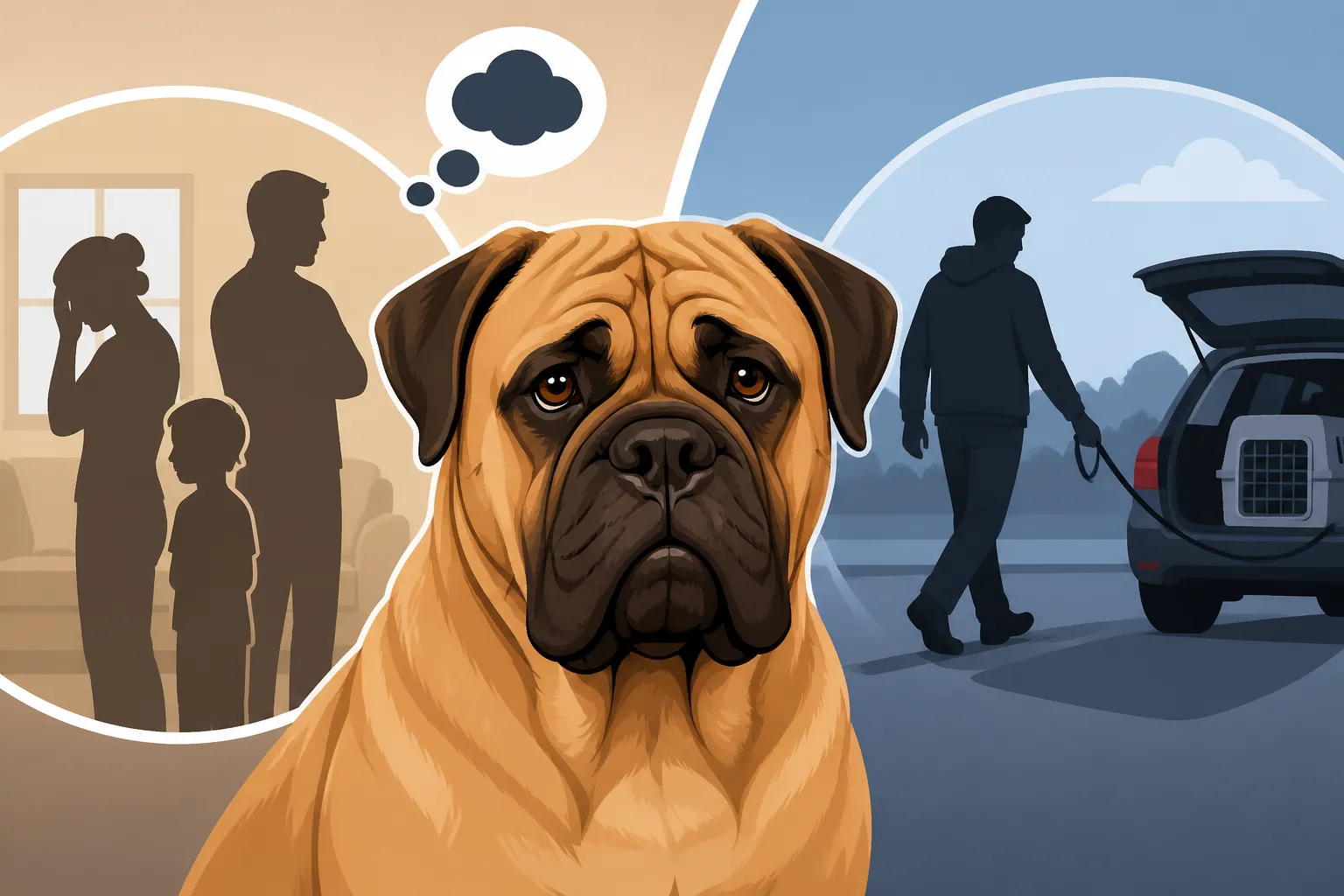
It’s a heartbreaking reality that many Bullmastiffs end up in rescue shelters or are surrendered by owners who, for one reason or another, find themselves unable to keep these magnificent dogs. This isn't usually due to a lack of love, but often a perfect storm of unmet expectations, unforeseen challenges, and a misunderstanding of what truly goes into owning a large, powerful breed. This guide aims to shed light on the most common reasons Bullmastiffs are surrendered, helping prospective owners understand the true commitment and challenges involved.
Misunderstandings About Breed Temperament and Needs
One of the biggest hurdles many new Bullmastiff owners face is the vast difference between their initial perception of the breed and the day-to-day reality. These dogs are impressive, yes, but their temperament and needs are very specific and, if misunderstood, can lead to significant problems that culminate in a surrender. People often fall in love with the look or the idea of a "gentle giant" without truly digging into the nuances of their personality and instincts.
The Reality of Bullmastiff Size and Strength
It's easy to look at a Bullmastiff puppy and imagine a cuddly, docile adult. What many don't fully grasp is the sheer physical power these dogs possess, even when they're being "gentle." An adult Bullmastiff can easily weigh over a hundred pounds, and often closer to a hundred and thirty pounds, for a male. This isn't just a number on a scale; it translates into immense strength, momentum, and a presence that can dominate a household if not properly managed.
Imagine taking your seemingly well-behaved, leash-trained Bullmastiff for a walk. All it takes is one squirrel, one unexpected sound, or another dog across the street, and that impressive weight and muscle can translate into a sudden, forceful pull that can wrench your shoulder or even pull you off your feet. This isn't malice; it's just raw dog power combined with instinct. Owners who are smaller, older, or simply not prepared for this kind of physical demand can quickly become overwhelmed. They might stop walking the dog, leading to pent-up energy and behavioral issues, or worse, an injury. This is a common point of failure, and often, the dog is labeled "unmanageable" when in reality, the owner simply wasn't equipped for the physical challenge. When considering a Bullmastiff, it's vital to be honest with yourself about your own physical capabilities and your willingness to consistently manage a powerful animal.
Training Challenges and Stubbornness
While Bullmastiffs are intelligent, they are by no means "easy" to train in the way a Golden Retriever or Poodle might be. They were bred to be independent thinkers, to decide whether a threat was real, and to act with deliberation, not always immediate obedience. This translates into a distinct stubborn streak. They might understand a command perfectly well, but choose to evaluate if they want to obey it at that precise moment. This isn't defiance for defiance's sake, but a manifestation of their historical role.
This trait can be incredibly frustrating for first-time dog owners or those accustomed to more eager-to-please breeds. Without consistent, positive reinforcement training from a very young age, a Bullmastiff puppy can quickly grow into a giant, unruly teenager who doesn't understand boundaries. Training a Bullmastiff That Weighs More Than You Do becomes a monumental task if the groundwork isn't laid early. A Bullmastiff won't respond well to harsh corrections; they'll often shut down or become more resistant. Owners who lack the patience, consistency, or understanding of this unique learning style might give up, leading to a dog that's difficult to handle indoors and out, further pushing them towards a rescue situation. Investing in professional training, or at least understanding the breed's specific needs, is absolutely crucial. You need to be more stubborn than they are, but in a kind and consistent way.
Guard Dog Instincts vs. Family Pet
Bullmastiffs were originally bred as "Gamekeeper's Night Dogs" to deter poachers, to hold them without mauling them. This means they have a strong innate guarding instinct. They are naturally protective of their family and territory. While this can be a desirable trait for many, it can also become a problem if not properly managed and socialized. They are not dogs that should be "guard trained" in the aggressive sense, as their natural instincts are potent enough.
The challenge arises when these instincts are misunderstood or allowed to escalate. A Bullmastiff might decide a friendly visitor is a threat, or that the delivery person at the door is an intruder. They might not bark excessively – The Silent Guard: Why a Bullmastiff Barks So Little – but their imposing presence and deep-chested growl can be incredibly intimidating. If an owner fails to socialize their Bullmastiff extensively from puppyhood to accept strangers, children, and other animals, these natural protective instincts can manifest as aggression or fear-based reactivity. This can lead to dangerous situations, legal liabilities, or simply a dog that can't be safely integrated into normal social situations. A family might find their beloved pet is wonderful with them, but a liability when guests come over, making it impossible to keep them.
Financial Strain and Unexpected Costs
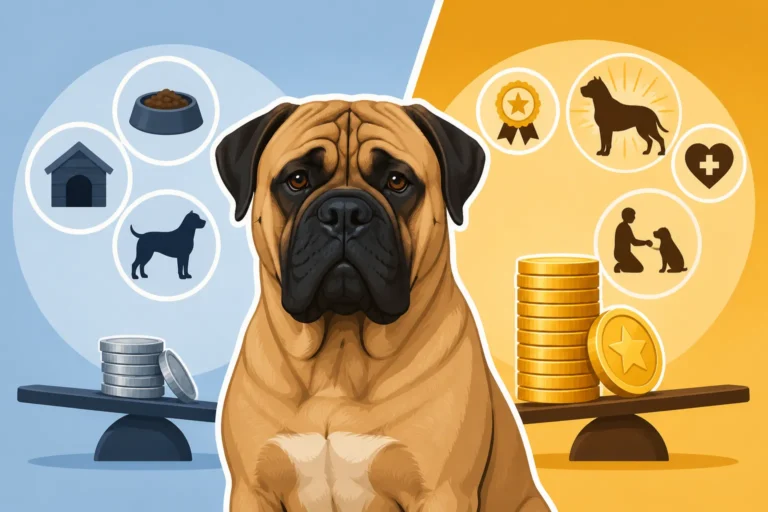
Owning any dog involves financial commitment, but owning a Bullmastiff elevates this to another level entirely. Their sheer size means everything costs more, and their breed-specific health predispositions can lead to truly staggering veterinary bills that many owners simply aren't prepared for. It's a cruel twist of fate that often the kindest intentions are derailed by the harsh realities of finances.
High Cost of Care and Unexpected Bills
When people think about the cost of a dog, they often consider the purchase price, food, and perhaps routine vet visits. For a Bullmastiff, these are just the tip of the iceberg. Their large size necessitates higher doses of medication, larger crates, more durable toys, and specialized equipment like orthopedic beds. However, the most significant financial burden often comes from unexpected health issues. Bullmastiffs are prone to a range of serious conditions, including various cancers like lymphoma and mast cell tumors, as well as joint problems like hip and elbow dysplasia, and cardiac issues like subaortic stenosis.
These conditions aren't minor; they often require extensive diagnostics, specialized veterinary care, and ongoing treatment. Imagine receiving a diagnosis of lymphoma for your beloved Bullmastiff; What Chemotherapy Costs for a Bullmastiff can easily run into thousands of dollars, far beyond what many households can manage. Without a substantial emergency fund or pet insurance, these situations can quickly become financially devastating, leaving owners with the agonizing choice of foregoing treatment or surrendering a pet they can no longer afford to help. This is why it’s so important to factor in these potential costs from day one, perhaps by exploring pet insurance options from providers like Healthy Paws.
Food and Supplies: More Than Anticipated
It might seem obvious that a big dog eats a lot, but the reality of How Much Food a Bullmastiff Needs can still catch owners off guard. A rapidly growing Bullmastiff puppy needs a high-quality large breed puppy food to ensure slow, healthy growth, and an adult can easily consume several large bags of kibble per month. If you choose higher-end, premium foods, especially those catering to specific dietary needs or raw diets like those offered by Ollie, the monthly food bill alone can be substantial.
Beyond food, there are other consumables. Flea, tick, and heartworm preventatives are dosed by weight, meaning a Bullmastiff requires a larger, more expensive dose than a small dog. Collars, leashes, and harnesses need to be heavy-duty and robust, replacing cheaper items more frequently as they wear out under the strain of a powerful dog. Accidents happen, and cleaning supplies for large messes are also a factor. Even basic items like dog beds can be significantly more expensive when you need an orthopedic, extra-large model suitable for a hundred and thirty-pound dog prone to joint issues. Owners who underestimate these ongoing costs can find their budget stretched thin, leading to compromises on food quality or essential supplies, which can impact the dog's health and well-being. Many owners find value and convenience in ordering bulky supplies like food and beds through online retailers like Chewy.
Lack of Emergency Funds or Insurance
The unfortunate truth is that many people get a dog without a clear plan for medical emergencies or chronic illnesses. For a Bullmastiff, this oversight can be particularly catastrophic. Their median lifespan, The Median Bullmastiff Lives Eight and a Half Years, means that many will face significant health challenges in their middle to senior years. Without pet insurance or a dedicated emergency fund, an unexpected vet bill for bloat surgery or a cancer diagnosis can be impossible to manage.
Consider a scenario where your Bullmastiff suddenly develops bloat, a life-threatening condition requiring immediate emergency surgery. What Bloat Surgery Costs on a Bullmastiff can be incredibly high, and delaying treatment is not an option. Without the financial means, an owner might be forced to make the devastating decision to euthanize their dog, not because there isn't a treatment, but because they simply cannot afford it. This exact scenario plays out far too often in veterinary emergency rooms across the country. Planning for these inevitable expenses, whether through a robust savings account or comprehensive pet insurance from a reputable provider like Healthy Paws, is not a luxury, but a necessity for responsible Bullmastiff ownership. It provides peace of mind and, more importantly, gives your dog the best chance at receiving the care they need when they need it most.
Health Issues and Lifespan Realities
Bullmastiffs are beautiful dogs, but they are not without their health challenges. Many people are simply not aware of the serious health predispositions of the breed, or the financial and emotional toll these conditions can take. This lack of awareness often leads to heartbreak and, unfortunately, surrender.
Predisposition to Major Health Problems
It's a tough truth that Bullmastiffs, like many large purebreds, are prone to certain serious health conditions. We've touched on some already, but it bears repeating: cancers like lymphoma, osteosarcoma, and hemangiosarcoma are tragically common. Lymphoma Kills More Bullmastiffs Than Anything Else. Beyond cancer, joint issues such as hip and elbow dysplasia can lead to chronic pain and expensive surgeries or ongoing management. Heart conditions like subaortic stenosis are also concerns, sometimes appearing very early in a dog's life.
When an owner brings home a puppy, they dream of years of joyful companionship. They don't anticipate a diagnosis that requires extensive, costly treatment or severely limits their dog's quality of life. The emotional burden of watching a beloved pet suffer, coupled with the financial strain of managing these conditions, can be overwhelming. Some owners might feel they are not providing their dog with the best possible care, leading to a profound sense of guilt and the consideration of surrender, especially if they believe a rescue organization might have more resources to help. This is often not about a lack of love, but a feeling of powerlessness in the face of immense medical needs.
Short Lifespan and End-of-Life Care
The reality of How Long a Bullmastiff Lives on Average is a tough pill to swallow for many. With a median lifespan often cited as eight to eight and a half years, Bullmastiffs age quickly compared to many other breeds. This means that serious age-related health issues can begin to manifest when the dog is still relatively young in terms of human years, sometimes around six or seven years old. Owners might feel blindsided when their seemingly robust dog suddenly starts showing signs of significant decline.
Caring for an aging Bullmastiff can be incredibly demanding. They might develop arthritis, making it difficult to stand up or navigate stairs. Caring for an Aging Bullmastiff involves special considerations like orthopedic bedding, ramps, potentially daily medications for pain management, and more frequent vet visits. The physical effort required to assist a large, mobility-compromised dog can also be immense. Owners might struggle to lift their dog, help them outside, or clean up accidents. The emotional impact of watching a dog decline, knowing their time is limited, can be incredibly painful. For some, the overwhelming nature of end-of-life care, combined with the financial strain, leads to the heartbreaking decision to surrender, hoping someone else is better equipped to manage their final years.
Lifestyle Changes and Lack of Preparation
Life happens, and sometimes even the most devoted owners face circumstances that make keeping their Bullmastiff an impossible task. However, a significant number of surrenders also stem from owners not fully anticipating how a Bullmastiff will integrate into their lives, or how quickly circumstances can change.
Moving or Housing Restrictions
One of the most common reasons Bullmastiffs, and large breeds in general, are surrendered is due to housing changes. Life transitions like moving to a new city, relocating for a job, or even changing apartments within the same area can pose a huge challenge. Many rental properties, HOAs, or even homeowner's insurance policies have breed restrictions, especially against "bully breeds" or large, powerful dogs. Some landlords might simply have weight limits that a Bullmastiff easily exceeds.
Imagine an owner who suddenly needs to move for work, only to find that every available rental property prohibits large dogs or "aggressive breeds." Their options become severely limited, often forcing them to choose between housing and their beloved pet. Even if a property allows them, the financial burden might increase due to higher pet deposits or monthly pet rent. For someone who didn't plan for such a contingency, this can be an insurmountable barrier, leading to the devastating decision to surrender. Whether a Bullmastiff Suits an Apartment is a question that needs serious consideration before bringing one home, as even a well-behaved Bullmastiff can be challenging in small spaces, and housing options become scarce.
Time Commitment and Lifestyle Compatibility
Bullmastiffs are calm indoors, often described as "45-pound lap dogs" that just happen to weigh 130 pounds. They love to be with their people and do not thrive when left alone for extended periods. While they don't require marathon runs, they do need consistent, moderate exercise and mental stimulation daily. How Long a Bullmastiff Copes Alone is often not as long as some owners might initially believe. They need interaction, training, and a sense of belonging to their family unit.
A common scenario involves owners who acquire a Bullmastiff puppy during a period of stability, perhaps when working from home or with a flexible schedule. Then, a job change, a new baby, or increased family commitments drastically reduce the time they have available. A Bullmastiff left alone for 9-10 hours a day with minimal exercise or interaction can develop behavioral issues like destructive chewing, excessive drooling from anxiety, or house-soiling. Furthermore, their sheer size means even a minor behavioral issue, like jumping up, can be a major problem for children or elderly family members. The owner, feeling overwhelmed and unable to meet the dog's needs, might conclude they are no longer a good fit for the dog's well-being.
Unforeseen Family Dynamics
Bringing a large, powerful dog into a family requires careful consideration of all members, including existing pets and children. While Bullmastiffs are generally known for being good with children, their immense size means accidental bumps or knocks can occur. Whether a Bullmastiff Knocks Over Toddlers is a legitimate concern, even if the dog has no ill intent. A boisterous play session might accidentally send a small child sprawling.
New additions to the family, like a baby, can also alter dynamics. An owner might worry about the dog's reaction to a newborn, or simply find themselves with insufficient time and energy to manage both a new infant and a large dog requiring significant attention. A Bullmastiff With Children can be a wonderful bond, but requires constant supervision and training for both dog and child. The introduction of another pet, especially one of the same sex, can also lead to issues like Same Sex Aggression in Bullmastiffs, which can be incredibly challenging to manage in a multi-dog household. These unforeseen dynamics, often arising from a lack of realistic planning, can unfortunately lead to a Bullmastiff being surrendered when the family unit can no longer accommodate them safely or peacefully.
Summary of Common Reasons for Surrender and Mitigating Actions
To help visualize these common pitfalls and how to avoid them, here's a table summarizing the main points:
| Reason for Surrender | Common Manifestation | Mitigating Actions for Prospective Owners |
|---|---|---|
| Misunderstood Breed Needs | Physical strength overwhelms owner; perceived stubbornness; unmanaged guarding instincts. | Research breed extensively. Understand How Trainable a Bullmastiff Is and commit to consistent, positive training from puppyhood. Socialize early and often. Be realistic about your physical capability to handle a large, strong dog. |
| Financial Strain | High vet bills for illness/injury; expensive food/supplies; lack of emergency funds. | Create a detailed budget including What a Bullmastiff Costs Over Its Lifetime. Factor in higher costs for food, medication, and large breed supplies. Establish a robust emergency fund or purchase comprehensive pet insurance from a young age (e.g., Healthy Paws). |
| Health Issues | Dealing with chronic conditions (dysplasia, cancer); short lifespan; end-of-life care. | Choose a reputable breeder who performs all recommended health screenings (Which Health Tests a Bullmastiff Breeder Should Run). Be prepared for the possibility of serious illness. Understand the realities of their shorter lifespan and the demands of Caring for an Aging Bullmastiff. |
| Lifestyle Changes | Housing restrictions; insufficient time for dog; family conflicts; new baby/pet. | Plan for future housing needs, especially regarding breed/weight restrictions. Honestly assess your long-term time commitment. Understand What a Bullmastiff Does All Day and its need for companionship. Discuss dog ownership with all family members thoroughly before adoption. |
Bringing a Bullmastiff into your home is a monumental decision, one that requires extensive research, honest self-assessment, and a deep commitment to understanding and meeting the unique needs of this remarkable breed. By being prepared for the realities of their size, temperament, health, and financial demands, you can help ensure your Bullmastiff lives a full, happy life as a cherished member of your family, rather than becoming another statistic in a rescue shelter.
Disclaimer
This article is for general informational purposes only and does not constitute professional advice. Laws, prices and regulations vary by location and change over time. Consult a qualified professional for guidance on your specific situation.