Whether a Rescue Bullmastiff’s Age Is Known
Bringing a rescue Bullmastiff into your home is an incredibly rewarding experience, offering a second chance to a magnificent dog. However, a common worry many prospective adopters face is the question of their rescue Bullmastiff's age. It's frustrating to fall in love with a big, gentle giant only to realize the rescue isn't entirely sure how old they are, leaving you wondering about their health timeline and future needs. This comprehensive guide will explore why a rescue Bullmastiff's age might be unknown, how rescue organizations estimate it, and what you can do to prepare for welcoming a dog whose true birthdate remains a bit of a mystery.
The Challenges of Estimating Age in Rescue Bullmastiffs
It’s a natural assumption that when you adopt a dog, you’ll know their age, just like getting a puppy from a reputable breeder. But the reality of rescue work often presents a different picture, especially with a breed like the Bullmastiff that can sometimes be surrendered due to their size, specific needs, or unexpected health issues. Understanding why a rescue might not know a dog’s exact age is the first step in managing expectations and preparing for your new family member.
Why Ages Are Often Unknown for Rescued Dogs
The primary reason a rescue dog's age is often a mystery boils down to how they entered the rescue system. Many dogs come in as owner surrenders, where for various heartbreaking reasons, their previous family can no longer care for them. Sometimes, these owners are diligent and provide all veterinary records, birth certificates, and historical information. But more often than not, especially if the dog has passed through several homes or was acquired without formal paperwork, the records are incomplete or nonexistent. An owner might estimate an age based on when they got the dog, but this is often just a guess, not a confirmed date of birth.
Then there are the strays. These dogs are found wandering, sometimes having been abandoned or simply lost and never reclaimed. For these poor souls, there’s usually no history whatsoever. The rescue relies entirely on observation and veterinary assessment to piece together an approximate age. Imagine a large, powerful dog like a Bullmastiff found roaming a city park – no collar, no microchip, no clue where they came from. The task of figuring out their age becomes an immediate challenge. Neglect cases also fall into this category, where the previous environment may have been so poor that health issues mask age, or the owners simply don't know or don't care to provide accurate information.
The Importance of Age for a Bullmastiff's Care
For any dog, knowing their age is crucial, but for a large breed like a Bullmastiff, it takes on even greater significance. Their lifespan, unfortunately, is shorter than many smaller breeds, with The Median Bullmastiff Lives Eight and a Half Years being a common figure. This means that a few years can make a big difference in their life stage. A 5-year-old Bullmastiff is squarely in their prime, full of vigor and still enjoying their robust adult years. A 7-year-old, however, is considered a senior, and their needs will shift dramatically towards managing mobility, potential cognitive decline, and increased vigilance for age-related illnesses.
Think about their health. Are they still growing, or have they reached full maturity? This impacts their diet; a growing Bullmastiff puppy needs specific large-breed puppy food to support slow, healthy growth, while a senior Bullmastiff requires a diet tailored for joint health and lower caloric needs. Caring for a Bullmastiff Past Six requires a proactive approach to wellness, and if you don't know if your dog is six or nine, it makes planning that much harder. Exercise routines also differ wildly; a younger adult Bullmastiff might enjoy a moderate walk or some playful romping, whereas an older dog might need shorter, gentler strolls and more rest. Knowing the approximate age helps you anticipate potential health concerns like arthritis, heart conditions, or cancer, which are unfortunately common in the breed.
Common Methods Rescue Organizations Use to Estimate Age
Even without paperwork, rescue organizations and their veterinary partners are pretty adept at playing detective. They use a combination of physical examination, behavioral observations, and sometimes even medical diagnostics to put together an age estimate. While it's rarely a precise birthdate, these methods usually provide a fairly accurate age range.
Dental Examination as a Primary Tool
The most common and often most reliable method for estimating a dog's age is a thorough dental examination. Just like humans, a dog’s teeth change over time. Puppies have sharp, temporary "milk teeth" that give way to permanent adult teeth by around 6-7 months. Once all permanent teeth are in, a vet looks for signs of wear and tear, tartar buildup, and dental disease.
- Puppies (under 1 year): A vet can tell if a Bullmastiff is still a puppy by the presence of puppy teeth or if their adult teeth are just emerging. By around 7 months, most dogs have all their adult teeth.
- Young Adults (1-3 years): These dogs typically have clean, white teeth with minimal wear. There might be a slight amount of tartar, but generally, their teeth look healthy and strong.
- Mature Adults (3-7 years): Tartar buildup becomes more noticeable during these years, especially on the back molars. Some yellowing and minor wear on the incisors might be present. The more tartar, the older the dog is likely to be within this range, assuming they haven't had previous dental care.
- Seniors (7+ years): Significant tartar, periodontal disease, missing teeth, and considerable wear on all teeth are hallmarks of a senior dog. Some teeth might be severely discolored or even fractured.
It's important to note that a dog's dental history can influence this. A Bullmastiff who chewed incessantly on hard toys or was fed a diet that encouraged tartar buildup might show more wear than their actual age suggests. Conversely, a dog who received regular dental cleanings might appear younger than they are. However, combined with other indicators, dental health is a strong clue.
Physical and Behavioral Cues
Beyond teeth, a Bullmastiff’s overall physical condition and behavior offer many clues about their age.
- Coat Condition: Young Bullmastiffs typically have a sleek, vibrant coat. As they age, their coat might become duller, thinner, or develop more graying, especially around the muzzle and eyes. While "salt and pepper" muzzles can appear early in some breeds, for a Bullmastiff, extensive graying usually signals they're entering their senior years.
- Energy Levels and Mobility: A youthful Bullmastiff, while generally calm, will still have bursts of playful energy, often enjoying short sprints or playful wrestling. An older Bullmastiff will typically be much less energetic, preferring naps to zoomies. You might notice them Why an Aging Bullmastiff Struggles to Rise or moving stiffly, especially after resting. This could indicate the onset of arthritis or other joint issues, which are common concerns for large breeds.
- Eyesight and Hearing: While not always obvious, cloudy eyes (lenticular sclerosis) are common in older dogs and can indicate advancing age. Significant vision or hearing loss, where a dog doesn't react to sounds or visual cues as readily, also suggests they are past their prime.
- Muscle Mass and Body Condition: Younger Bullmastiffs tend to have well-defined muscle tone. As dogs age, they can lose muscle mass, particularly in their hindquarters, even if their weight remains stable. This can contribute to Why an Aging Bullmastiff Loses Muscle. Rescues will also assess overall body condition – is the dog lean, overweight, or underweight? This isn't a direct age indicator but helps determine their general health, which impacts how they appear.
- Behavioral Changes: While every dog has its unique personality, very young Bullmastiffs might still exhibit some puppy-like behaviors such as chewing inappropriately (though Bullmastiffs are generally calmer than many puppies), while a senior Bullmastiff might sleep more, be less tolerant of boisterous play, or even show signs of cognitive dysfunction like disorientation.
Veterinary Assessment and Diagnostics
When a Bullmastiff first arrives at a rescue, a full veterinary check-up is always the first order of business. The vet will take all the aforementioned factors into account. Sometimes, further diagnostics might be recommended if there are significant health concerns that could relate to age.
- Bloodwork: A comprehensive blood panel can give a vet insight into organ function. Elevated kidney or liver enzymes, or changes in thyroid levels (How Hypothyroidism Presents in a Bullmastiff), can be indicators of an older dog, even if they show no outward symptoms. This is crucial for establishing a baseline for care.
- X-rays: If a Bullmastiff shows signs of joint pain or stiffness, X-rays can reveal arthritis, hip dysplasia, or elbow dysplasia. While these conditions can affect dogs of varying ages, advanced stages are more common in older animals and can help narrow down an age range. When a Bullmastiff Should Be X Rayed is an important question for any Bullmastiff.
- Specialized Tests: In rare cases, if the vet is highly uncertain or there are specific concerns, they might suggest more specialized tests. However, generally, the combination of a thorough physical and dental exam, alongside behavioral observation, provides enough information for a working age estimate.
Rescue organizations like Bullmastiff Rescue of New Jersey or Big Dogs Huge Paws, Inc. often rely on a network of experienced veterinarians who have seen many dogs of unknown ages. They pool their observations to give you the best possible estimate.
What to Expect When Adopting an "Age Unknown" Bullmastiff
Adopting a Bullmastiff whose age isn't precisely known can feel a bit daunting, but it doesn't have to be a deterrent. Many wonderful dogs find loving homes this way, and with the right approach, you can provide them with excellent care. It's all about being prepared and knowing what questions to ask.
Communicating with the Rescue Staff
When you're considering an "age unknown" Bullmastiff, don't be shy about asking the rescue staff for all the details they have. They are your primary resource.
- Ask about their assessment process: Inquire about how they estimated the dog's age. Did a vet do a dental exam? What were their findings? Did they perform any bloodwork or other diagnostic tests? The more transparent they are about their process, the more confident you can feel.
- Observe the dog yourself: Spend time with the Bullmastiff. Watch how they move, how they interact, and what their energy levels are like. Does their gait seem stiff? Do they play with toys? Do they respond to sounds? These observations, combined with the rescue’s information, will give you a fuller picture.
- Ask for specific behavioral insights: Does the dog seem to sleep more than typical? Are they particularly calm or still quite boisterous? Do they respond to basic commands, or do they seem unfamiliar with training? While not directly age-related, these observations help you gauge their mental and physical stage.
- Inquire about known health issues: Even if the age is unknown, the rescue should be able to tell you about any existing medical conditions or treatments the dog is receiving. This is vital for your planning.
A good rescue will be upfront about what they know and what they don't. They want the best match for the dog and for you.
Preparing for a Wide Age Range
The most important thing to embrace is that your rescue Bullmastiff could be younger or older than the initial estimate. This means being flexible in your approach to their care.
- Diet: Have both a high-quality adult large-breed dog food and potentially a senior formula on hand, or be prepared to switch if your vet recommends it. Brands like Chewy offer a wide variety of large breed formulas that cater to different life stages, making it easy to adapt. If you're considering fresh food options, services like Ollie can also customize meals based on age and activity level once you have a clearer picture.
- Exercise: Plan for moderate exercise, but be ready to scale it up or down. If the Bullmastiff turns out to be younger, they might need more activity. If they're older, gentle walks and mental enrichment might be more appropriate. Always pay attention to how your individual dog responds.
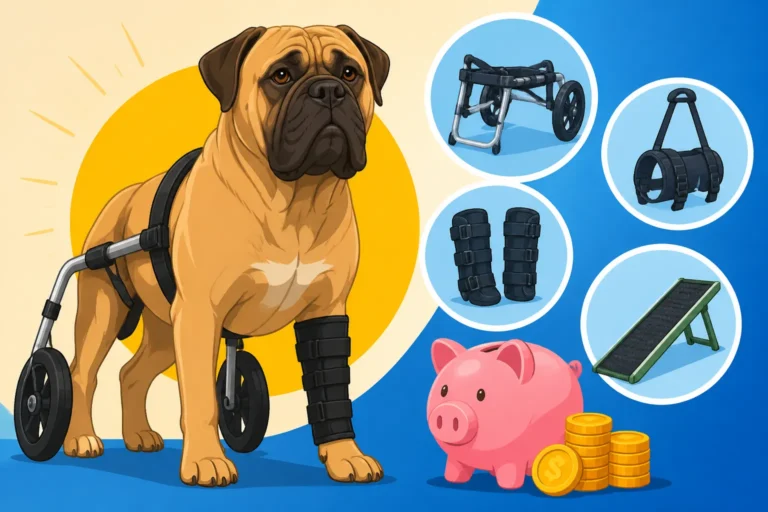
- Home Adjustments: For an older Bullmastiff, consider Bedding and Joints for a Hundred and Thirty Pound Bullmastiff. Orthopedic beds, non-slip rugs, and possibly even ramps to help them into cars or onto furniture can make a huge difference. A younger, more energetic dog might need more durable toys or a reinforced crate.
- Training: Assume you'll be starting from scratch with training, regardless of age. While an older dog might have learned some manners, a new environment can bring new behaviors. Positive reinforcement training is always best. Training a Bullmastiff That Weighs More Than You Do is essential at any age, as their sheer size requires good manners.
Ongoing Veterinary Care for an Estimated Age
Your first visit to your own veterinarian after adoption is critical, even if the rescue has already provided a health check. Your vet will conduct their own thorough examination, confirm the rescue's age estimate, or provide their own. They will also establish a baseline for your Bullmastiff’s health.
- Baseline Health Check: Your vet will perform a full physical exam, checking teeth, eyes, ears, heart, lungs, and joints. They will likely recommend a full blood panel to check organ function and screen for common issues like hypothyroidism, which is unfortunately common in Bullmastiffs. This baseline is invaluable, especially for a dog whose history is unclear.
- Tailored Care Plan: Based on their assessment, your vet can help you develop a personalized care plan that addresses their estimated age and any potential health concerns. This might include recommendations for joint supplements, specific diets, or a vaccination schedule.
- Regular Check-ups: Even if your Bullmastiff seems perfectly healthy, consistent annual (or even bi-annual for seniors) vet visits are crucial. This allows your vet to monitor for subtle changes that might indicate the onset of age-related diseases. How Often a Bullmastiff Needs a Wellness Exam is a good discussion point with your vet.
- Pet Insurance: Given the potential for unknown health issues and the breed's predispositions to conditions like Lymphoma Kills More Bullmastiffs Than Anything Else or Subaortic Stenosis Is There Before a Bullmastiff's First Birthday, investing in pet insurance from a provider like Healthy Paws immediately after adoption is a wise decision. Many policies have waiting periods, so enrolling early is key to ensuring coverage for any future unexpected vet bills, especially if an age-related condition manifests that wasn't considered pre-existing.
Making an Informed Decision: Weighing the Pros and Cons
Adopting any dog is a big commitment, and bringing home an "age unknown" Bullmastiff adds a layer of consideration. It’s important to weigh the benefits against the potential challenges to ensure it's the right choice for your family and your circumstances.
Benefits of Adopting an Adult or Senior
While the uncertainty of age can be a con, adopting an adult or senior Bullmastiff often comes with many wonderful advantages.
- Established Temperament: One of the biggest perks is that an adult Bullmastiff’s personality is usually fully developed. What you see is what you get. Unlike a puppy, whose personality is still forming, an older dog will display their true nature, allowing you to choose a companion whose demeanor perfectly suits your household. If you're looking for a calm, quiet presence, an older Bullmastiff is often an ideal candidate. The Silent Guard: Why a Bullmastiff Barks So Little is a characteristic that tends to be evident in adults.
- Reduced Training Needs (Often): Many adult rescue dogs have already lived in a home environment and may be housetrained, know basic commands, and understand household routines. This isn't always a guarantee, especially for strays, but it often means less intensive initial training than with a puppy.
- Lower Energy Levels: For many families, especially those who aren't looking for a highly energetic dog, an adult or senior Bullmastiff's mellower disposition is a huge plus. They generally require less intense exercise than a puppy or young adult, making them great companions for a quieter lifestyle. What a Bullmastiff Needs Every Day, Which Is Less Than You Think often applies even more to older dogs.
- The Reward of Giving a Second Chance: There's an immense satisfaction in offering a loving home to a dog who truly needs one. Older dogs, especially, can spend longer in shelters, and giving them comfort and care in their later years is a profound act of kindness.
Potential Drawbacks and Hidden Costs
It wouldn't be realistic to only focus on the positives. There are genuine challenges and potential financial implications when you adopt a Bullmastiff whose age isn't precisely known.
- Unknown Health History: This is perhaps the biggest "unknown." Without prior records, you don't know what genetic predispositions they might have, what illnesses they've battled, or what injuries they may have sustained. This can lead to unexpected veterinary costs down the line. A young Bullmastiff might suddenly develop Hip Dysplasia in a Bullmastiff, or an older one could be diagnosed with Mast Cell Tumors and the Lumps on a Bullmastiff.
- Shorter Potential Lifespan: If the estimated age is toward the older end of the spectrum, you might have fewer years with your beloved companion. This can be emotionally tough, especially if you're not mentally prepared for a shorter journey together. Why Some Bullmastiffs Die at Five is a stark reminder of the breed's fragility and the impact of health issues.
- Behavioral Quirks: While many adult rescues are well-adjusted, some might come with behavioral baggage due to past trauma, neglect, or lack of socialization. This could manifest as fear, anxiety, or specific triggers. While not directly age-related, it's a consideration for any rescue dog, and the older they are, the more ingrained these behaviors might be.
Financial Preparedness for a Rescue Bullmastiff
Regardless of age, Bullmastiffs are not an inexpensive breed to own. Their size alone means everything from food to medication to surgical procedures comes with a higher price tag. This is even more true when you're taking on a dog with an unknown past.
- Initial Vet Bills: Expect the initial vet visit, comprehensive bloodwork, and any necessary treatments (like deworming, vaccinations, or dental care) to be a significant upfront cost. A dental cleaning for an older Bullmastiff with heavy tartar can be quite expensive.
- Ongoing Medication and Supplements: If your Bullmastiff is diagnosed with age-related arthritis, hypothyroidism, or other chronic conditions, they might require lifelong medication or joint supplements. These costs add up over time, and for a large dog, the dosage (and thus the price per month) is higher.
- Emergency Fund: It's highly advisable to have an emergency fund specifically for your Bullmastiff's unexpected health needs. Whether it's for sudden bloat (Bloat in a Bullmastiff) or a cruciate ligament tear (Cruciate Tears in a Bullmastiff), large breed emergencies are costly. Pet insurance from providers like Healthy Paws can help, but you'll still have deductibles and co-pays.
- Quality Food: Feeding a Bullmastiff means a substantial food bill. Opting for high-quality large-breed food, possibly tailored for sensitive stomachs or joint health, is an investment in their long-term well-being. Services like Ollie, delivering fresh, personalized meals, or Chewy, offering a vast selection of premium kibble and wet foods, can help manage these costs by ensuring good nutrition.
| Age Category (Estimated) | Common Characteristics | Potential Health Concerns | Care Considerations |
|---|---|---|---|
| "Puppy/Young Adult" (up to 3 yrs) | Energetic, playful, clean teeth, still growing | Dysplasia, heart murmurs, early onset behavioral issues | Large breed puppy/adult food, consistent training, careful exercise to protect joints |
| "Adult" (3-7 yrs) | Calm, established temperament, some tartar on teeth, full size | Hypothyroidism, early arthritis, developing cancer risks | Adult large breed food, regular dental care, monitoring for subtle changes |
| "Senior" (7+ yrs) | Less energetic, gray muzzle, significant tartar/missing teeth, stiffness | Arthritis, cancer (lymphoma, mast cell tumors), organ decline, cognitive issues | Senior formula food, joint supplements, frequent vet checks, mobility aids, soft bedding |
Ultimately, adopting an "age unknown" Bullmastiff requires an open heart and a practical mindset. By understanding the challenges, leveraging the rescue's expertise, and preparing for a range of possibilities, you can provide a wonderful home for a deserving dog, embracing the journey whatever their true age may be.
Disclaimer
This article is for general informational purposes only and does not constitute professional advice. Laws, prices and regulations vary by location and change over time. Consult a qualified professional for guidance on your specific situation.