How Reliable a Bullmastiff’s Recall Is
The moment your beloved Bullmastiff spots a squirrel or gets a whiff of something truly irresistible across the park, does your call for "come!" feel more like a polite suggestion than an urgent command? It's a common, utterly frustrating scenario for many large dog owners, especially with breeds known for their independent streak. This comprehensive guide will delve into the unique aspects of Bullmastiff temperament and intelligence, exploring why achieving a truly reliable recall with these magnificent dogs can be a significant undertaking, and how you can build a strong, trustworthy "come" command that sticks.
The Bullmastiff's Independent Nature and Its Impact on Recall
Understanding the Bullmastiff's inherent nature is the first step in appreciating the complexities of their recall. These aren't your typical "live to please" retrievers; they were selectively bred for a very different purpose, and that history still shapes their responses today. Their independence isn't a flaw, but a characteristic that requires a nuanced approach to training.
The "Thinking" Dog: Deliberation Over Immediate Obedience
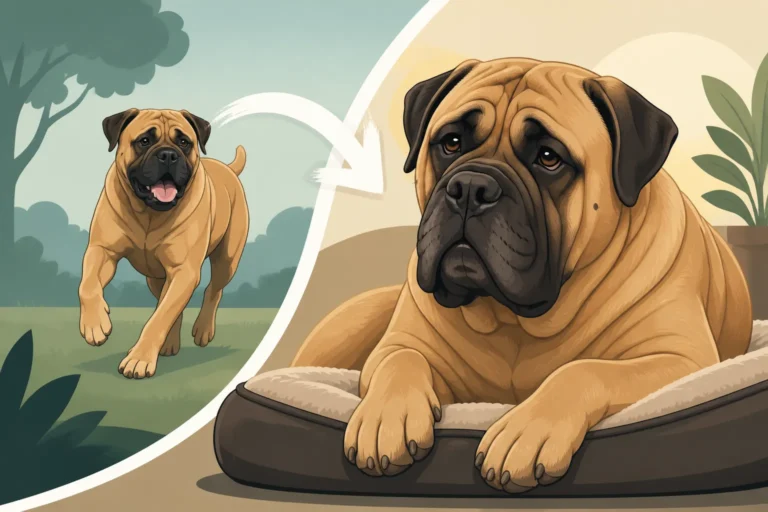
One of the most endearing, yet sometimes exasperating, traits of a Bullmastiff is their tendency to "think" before acting. When you issue a command, especially "come," you might notice a slight pause, a head tilt, or a slow swivel of their massive head as they process your request. They're not being disobedient out of spite; they are genuinely assessing the situation. Is coming to you more rewarding than sniffing that interesting patch of grass? Is there a perceived threat they need to evaluate first? This deliberation stems from their history as guardians. A gamekeeper's dog couldn't simply run off at the first bark; it needed to weigh the situation, identify the threat (the poacher), and act decisively, often silently.
This intelligent assessment means that a Bullmastiff often isn't driven by an immediate, unquestioning desire to please, at least not in the same way some other breeds might be. They need a reason, a compelling argument, to drop what they're doing and return to your side. This isn't to say they can't be trained, far from it, but it does mean that consistency, high value rewards, and making the act of returning utterly irresistible become paramount. Simply shouting "come!" louder won't work; it often just causes them to dig in their heels more.
The Legacy of a Night Watchman: Why Instant Recall Wasn't the Priority
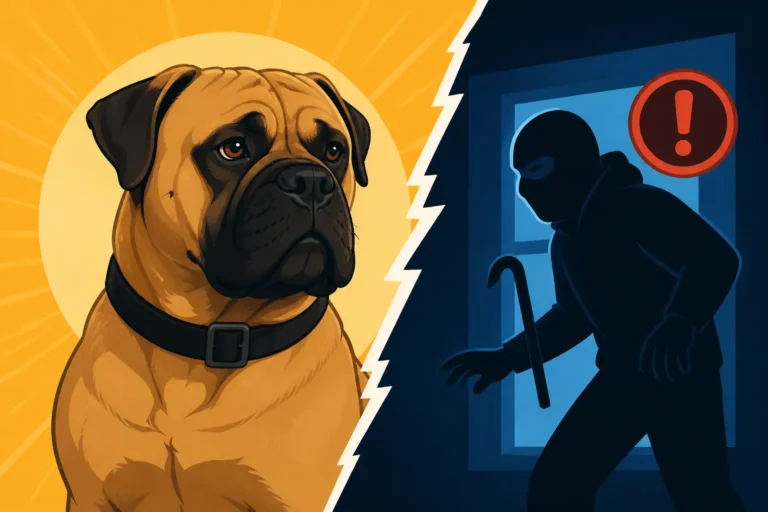
To truly understand a Bullmastiff's approach to recall, we need to look back at their origins. These dogs were literally known as the "Gamekeeper's Night Dog." Their job was to silently track, apprehend, and hold poachers on large estates. They weren't meant to be called back from a hunt; they were meant to be independent problem-solvers who could work without constant direction. Their mission required them to be brave, discerning, and self-reliant. The Bullmastiff Was Built to Catch Poachers in the Dark is an excellent read to grasp this history.
This historical role meant that a lightning-fast, eager-to-please recall wasn't at the top of the breeding priority list. Instead, traits like courage, physical presence, and a certain degree of independent judgment were fostered. While modern Bullmastiffs are beloved family companions, that ancestral programming still lies deep within them. They are hardwired to assess situations and make decisions, sometimes independently of your immediate command, especially if something truly captivates their attention. This isn't a flaw in their character; it's a testament to their heritage. This makes recall training a marathon, not a sprint, requiring patience and a deep understanding of their unique mindset.
Sensory Distractions: The World is More Interesting Than Your Voice
Imagine a world where every scent is a vivid story, every rustle in the leaves is a potential adventure, and every distant bark is a call to investigate. That's the world through your Bullmastiff's nose and ears. With their powerful sense of smell and acute hearing, Bullmastiffs are constantly taking in a vast amount of sensory information that can easily overshadow your voice. A squirrel darting up a tree, the scent of a rabbit that passed by hours ago, or even another dog playing far off in the distance can become an all-consuming distraction.
Their natural inclination to guard and observe also plays into this. If they perceive something new or unusual, their instinct might be to investigate or stand watch, rather than immediately turn on a dime to come back to you. They see themselves as guardians of their territory and their people, and sometimes that role feels more important to them than your request. This is particularly true in unfamiliar environments where there are many novel stimuli. Overcoming these natural predispositions requires a recall that is not just reliable, but consistently more appealing than any potential distraction the world can throw at them. You are competing with a symphony of sensory input, and your "come" needs to be the loudest, most enticing note in that symphony.
Building a Foundation for Reliable Recall with a Bullmastiff
A solid recall isn't just about teaching a command; it's about building a relationship of trust, respect, and mutual understanding. With a Bullmastiff, this foundation needs to be particularly robust due to their independent nature and sheer physical power. You can't physically compel a 130-pound dog to return if they don't want to, so the desire to come to you must be ingrained deeply.
Starting Early: Puppyhood is Prime Time
The absolute best time to start working on recall with a Bullmastiff is the moment you bring your puppy home. Even at eight weeks old, a Bullmastiff puppy can begin to learn the association between hearing their name or a "come" command and receiving something wonderful. During these early weeks, puppies are naturally more inclined to stay close to their new family, making it easier to practice in low-distraction environments. Every positive interaction builds a brick in the foundation of their future recall.
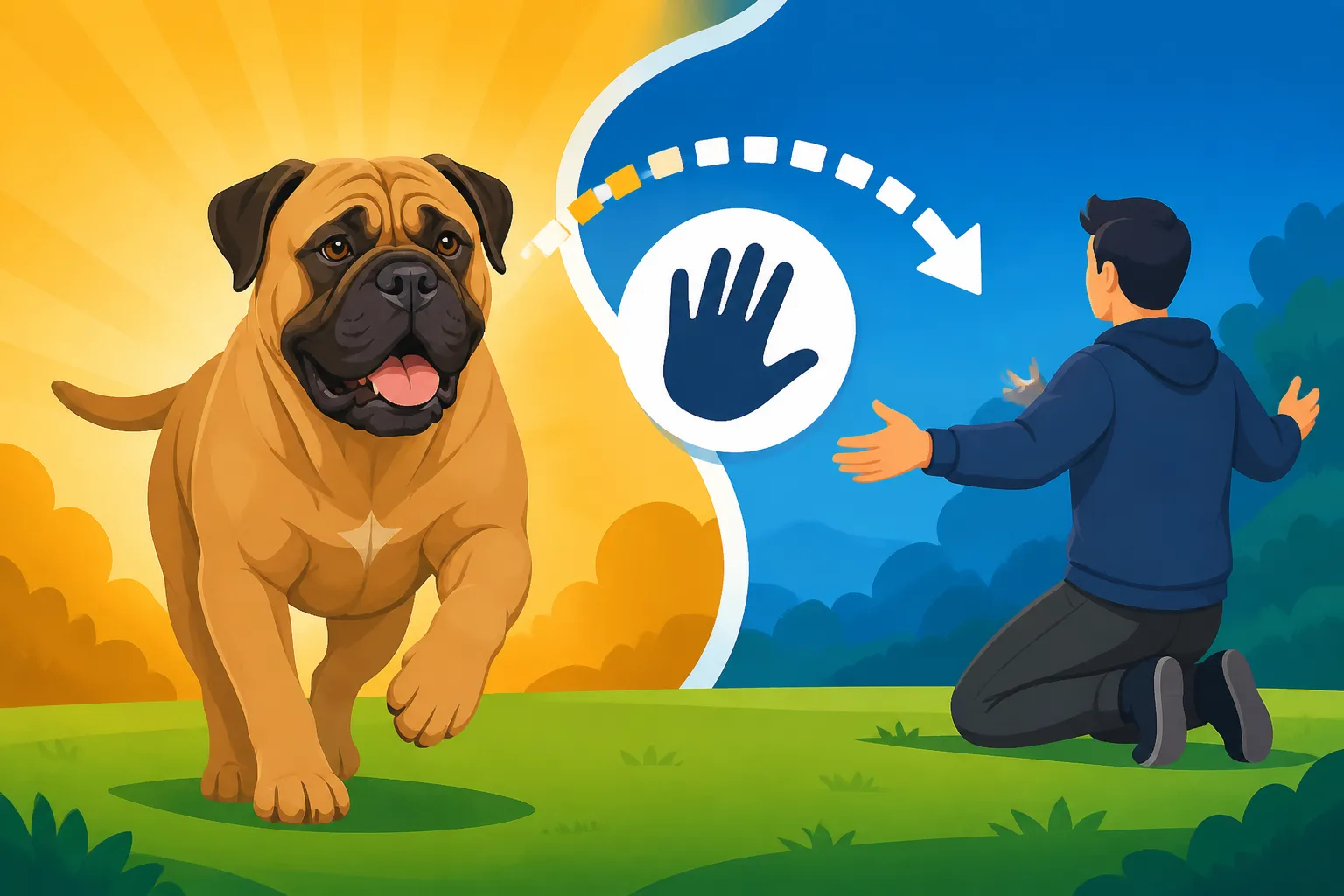
Start in a quiet, confined space like your living room or a securely fenced yard. Use a happy, excited tone of voice. When your puppy takes even a step toward you, immediately mark that behavior with a "yes!" or a clicker, and follow with a fantastic treat or a favorite toy. Keep these early sessions short, fun, and incredibly rewarding. Avoid any negative associations; if your puppy isn't coming, don't chase them or get frustrated. Instead, try making exciting noises, clapping, or even running away from them (they might chase you!). The goal is to make "come" mean "party time" every single time. As your puppy grows and enters adolescence, which for a Bullmastiff can last until they are three years old, these early positive experiences will be invaluable. When to Start Training a Bullmastiff Puppy emphasizes the importance of these foundational stages.
High-Value Rewards: What Truly Motivates a Bullmastiff
A Bullmastiff's recall is only as strong as the motivation behind it. For these discerning dogs, a simple pat on the head or a dry biscuit won't cut it when there's a fascinating smell or another dog to investigate. You need to use high-value rewards – treats or toys that your Bullmastiff absolutely adores and rarely gets otherwise. Think small pieces of cooked chicken, cheese, hot dogs, or a squeaky toy they go wild for. The goal is to make coming back to you the most exciting and rewarding option available.
Rotate your rewards to keep them novel and exciting. What's high-value one day might be less appealing the next, so having a varied arsenal is key. Always deliver the reward immediately upon their arrival, paired with enthusiastic praise. This immediate gratification reinforces the desired behavior. Over time, you can gradually introduce lower-value rewards once the recall is solid, but always ensure that the occasional "jackpot" reward keeps them eagerly anticipating your call. Knowing What Motivates a Bullmastiff is crucial for effective training.
Consistency and Repetition: The Key to Trust
Consistency isn't just about how often you train; it's about making sure everyone in the household uses the same command, the same tone, and the same rewarding system. If one person uses "come," another uses "here," and a third only calls them when it's time to leave the park, your Bullmastiff will become confused and less likely to respond reliably. Establish a single, clear recall command ("come" is standard, but you can choose another if you prefer) and ensure everyone uses it without fail.
Repetition in various, gradually increasing environments is also vital. You can't expect your Bullmastiff to have a perfect recall at the busy dog park if you've only practiced in your quiet backyard. Start in low-distraction areas and slowly introduce more challenging environments, always setting your dog up for success. This consistent, predictable, and rewarding approach builds trust. Your Bullmastiff learns that when you call, something good always happens, and they are never punished for coming back, even if it takes them a moment. This unwavering consistency is how you penetrate their independent nature and make recall a deeply ingrained habit.
Training Strategies for Bullmastiff Recall
Once you have a strong foundation, it's time to implement specific training strategies that account for the Bullmastiff's size, strength, and independent mind. These methods focus on clear communication, safe practice, and proofing the behavior against real-world distractions.
The "Come" Command: More Than Just a Word
For your Bullmastiff, "come" needs to be more than just a sound; it needs to be a promise of good things and a cue that immediately grabs their attention. We've talked about high-value rewards, but the delivery of the command itself is also critical. Use a clear, upbeat, and enthusiastic voice – never angry or frustrated. Your tone should convey excitement and positivity, making them want to come to you.
Start by practicing in short bursts throughout the day, even when they are already close by. Call their name, then "come!" When they turn towards you or take a step, immediately reward. Make it a game. Hide around a corner and call them, or have another family member gently hold them while you run a short distance and call. The goal is to create a conditioned emotional response: "When I hear 'come,' I feel happy and excited because amazing things happen when I go to my person!" Over-using the command when you know they won't respond, or in a situation where you can't enforce it (like letting them blow you off at the park repeatedly), will devalue the word and make it meaningless. Every call should be a success.
Long Lines and Safety: Managing Freedom and Risk
One of the most effective tools for teaching a reliable recall to a Bullmastiff is a long line. A long line (typically 20 to 50 feet) allows your dog to experience a sense of freedom and explore, while still keeping them safely connected to you. This is crucial for practicing recall in progressively distracting environments without the risk of them truly bolting. You can find durable long lines made of nylon or biothane on Amazon that stand up to the strength of a Bullmastiff.
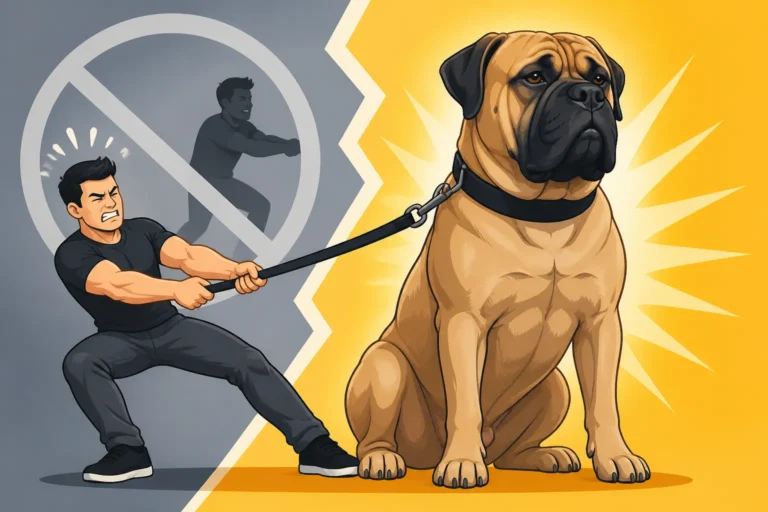
Start using the long line in a securely fenced area. Let your Bullmastiff wander, sniff, and explore. When they are moderately distracted, call their name, then "come!" If they hesitate, gently reel in the line while continuing to use your happy, encouraging voice. The moment they start moving towards you, release tension on the line and praise them enthusiastically. When they reach you, lavish them with praise and that high-value reward. Never use the long line to yank them back or punish them; it's purely a safety and guidance tool. It allows you to ensure every recall attempt ends in success, teaching them that coming when called is non-negotiable, but always positive. Teaching a Bullmastiff to Walk on Leash is another important aspect of control that can be reinforced through long line training.
Proofing the Recall: Gradually Increasing Distractions
A reliable recall isn't just about responding in your living room; it's about responding even when the world is full of tempting distractions. This process is called "proofing," and it involves gradually increasing the difficulty of the recall scenario.
Think of it as a ladder:
- Level 1: Low Distraction: Your home, quiet backyard.
- Level 2: Moderate Distraction: A quiet park with no other dogs, a friend's fenced yard.
- Level 3: Higher Distraction: A park with distant people, faint smells, or sounds.
- Level 4: High Distraction: A busy park with other dogs, squirrels, children playing.
Always introduce new distractions slowly and ensure you're using your long line for safety. If your Bullmastiff consistently responds at one level, move to the next. If they fail, go back a step. Never set them up for failure by throwing them into a high-distraction environment without prior success at lower levels. Practice your recall from different positions (sitting, standing, lying down), with different people, and in different directions. This methodical approach teaches your Bullmastiff that "come" means "come" no matter what, or where, or who is asking.
Common Pitfalls and How to Avoid Them
Even with the best intentions, it's easy to fall into common recall training traps, especially with an intelligent and independent breed like the Bullmastiff. Avoiding these pitfalls is just as important as implementing effective training strategies.
Never Punish a Recall: Building Positive Associations
This is arguably the most crucial rule of recall training: never, ever punish your Bullmastiff when they finally come to you, even if it took them a long time or you're frustrated. Imagine you're called for dinner, but when you arrive, you're scolded for being late. You'd be less inclined to come next time, right? The same applies to dogs. If your Bullmastiff associates coming to you with anger, a scolding, being put on a leash to leave the park (ending their fun), or anything negative, they will quickly learn that not coming is the safer option.
The act of coming to you must always be the most positive experience. If they were difficult to call, simply praise and reward them more when they arrive, then assess what went wrong with the environment or your setup, rather than blaming the dog. If you need to put them on a leash, do it cheerfully and then immediately give them a treat or continue playing for a moment. Make returning a joyful, low-pressure event. This builds immense trust and ensures they see you as a source of all good things, making them far more likely to respond next time. How a Bullmastiff Responds to Correction further illustrates why positive reinforcement is key with this sensitive breed.
Over-reliance on "Emergency" Recalls: When Not to Use Your Command
Many owners make the mistake of only calling their dog when it's time to leave the park, when danger is present, or when they're truly annoyed. If "come" always means "fun time is over" or "you're in trouble," it quickly loses its appeal. This is what we call "poisoning the cue."
Your recall command should be used frequently throughout the day, even for mundane, pleasant things. Call your Bullmastiff to you, reward them, and then immediately release them back to what they were doing. Call them from another room for a treat, then let them go back to napping. This teaches them that "come" doesn't always signal the end of their fun, and in fact, often leads to good things without any strings attached. Save truly critical "emergency" recalls for genuinely dangerous situations, and consider having a separate, distinct "super recall" word or whistle that you only use for those life-or-death moments and have practiced extensively with incredibly high rewards. This way, your regular "come" remains positive and reliable.
Realistic Expectations: Understanding the Bullmastiff's Limits
While a highly reliable recall is achievable with a Bullmastiff, it's important to maintain realistic expectations. These are powerful, intelligent dogs with a strong independent streak. The Bullmastiff That Pauses to Decide Whether You Are Worth It truly captures their nature. Expecting them to have the same hair-trigger recall as a Border Collie, for example, might set you up for disappointment.
Even the best-trained Bullmastiff might have a moment where a particularly tantalizing scent or a novel sight causes a slight delay in response. Your goal isn't necessarily instant, robot-like obedience every single time, but rather a consistent, dependable return in most circumstances. Always consider the environment; a busy, unfenced dog park might never be a safe place for any dog to be off-leash without absolute certainty of recall, especially a large breed that could inadvertently cause harm. Understanding How Stubborn a Bullmastiff Is helps manage expectations. Accept that some environments might require a long line for safety, and that's perfectly okay. Celebrate their willingness to come, even if it takes a moment of deliberation, and continue to reinforce that positive choice.
Tools and Resources to Aid Bullmastiff Recall Training
Having the right tools and knowing where to find additional support can make a significant difference in your Bullmastiff's recall training journey. From physical equipment to professional guidance, there are many resources available to help you succeed.
Essential Gear: Long Lines, Whistles, and Training Pouches
Successful recall training often relies on having the right equipment to keep your Bullmastiff safe and your training effective.
- Long Lines: As discussed, a sturdy, comfortable long line is indispensable. Look for materials like biothane, which is easy to clean and won't get tangled as easily as traditional nylon. Make sure the clasp is robust enough for your Bullmastiff's strength. Amazon offers a wide selection of long lines in various lengths and materials. Start with a 20-foot line and, as your Bullmastiff progresses, you might move up to 30 or 50 feet to give them more perceived freedom while maintaining control.
- High-Quality Treats and Treat Pouch: Invest in truly high-value treats that your Bullmastiff goes crazy for. These should be small, soft, and easy for them to gobble down quickly without distraction. A comfortable treat pouch that clips to your waistband or belt is a must-have, allowing for immediate access to rewards the moment your Bullmastiff returns. This quick delivery reinforces the behavior much more effectively than fumbling for treats in your pocket.
- Whistle: A dog training whistle can be an incredibly useful tool, especially for recall. A whistle's sound is consistent, travels farther than your voice, and isn't usually associated with your everyday frustrations. You can condition your Bullmastiff to respond to the whistle just like they would to a verbal command, associating it with high-value rewards. This can be particularly effective in windy conditions or noisy environments where your voice might get lost.
- Durable Leash and Collar/Harness: While recall training aims for off-leash reliability, you'll still need a strong, comfortable leash and a well-fitting collar or harness for walks and moving between training areas. Make sure whatever you choose is secure and won't put undue pressure on your Bullmastiff's neck. A front-clip harness can be helpful for managing their strength during leash walks as you work on How to Walk a Bullmastiff That Outweighs You.
Professional Guidance: When to Seek an Expert
Sometimes, despite your best efforts, you might hit a plateau or encounter specific challenges with your Bullmastiff's recall. This is where professional guidance can be invaluable. A certified professional dog trainer or behaviorist can offer tailored advice, help you troubleshoot issues, and provide hands-on demonstrations.
Look for trainers who use positive reinforcement methods and have experience with large, guardian breeds like Bullmastiffs. They can observe your interactions, identify subtle cues you might be missing, and help you refine your technique. Group classes can also be beneficial, as they provide controlled distractions and allow your Bullmastiff to practice recall around other dogs and people. If you find your Bullmastiff is particularly stubborn, reactive, or simply isn't making progress, don't hesitate to reach out for help. It's an investment in a safer, more enjoyable relationship with your big companion.
Online and In-Person Training Programs
For those who prefer a structured approach or need flexibility, a variety of online and in-person training programs can support your recall efforts.
- Online Courses: Platforms like BAXTER & Bella offer comprehensive online puppy and dog training programs that include detailed modules on recall. These programs often provide step-by-step instructions, video demonstrations, and sometimes even access to trainers for personalized feedback. They can be a fantastic resource for learning at your own pace and revisiting lessons as needed.
- Local Obedience Classes: Many communities offer basic and advanced obedience classes. While a Bullmastiff might not always be top of the class in terms of speed, the consistent environment, professional instruction, and exposure to other dogs (in a controlled setting) can significantly enhance their recall and overall manners. These classes are also excellent for socializing your Bullmastiff in a positive way.
- Private Sessions: For more targeted help, private, one-on-one sessions with a local trainer can address specific recall challenges, such as a dog who is easily distracted by certain triggers or who has developed a habit of bolting. The trainer can come to your home or practice in environments where your Bullmastiff struggles most, offering immediate, relevant solutions.
By combining consistent effort, the right tools, and knowing when to seek expert help, you can dramatically improve the reliability of your Bullmastiff's recall, fostering a deeper bond and ensuring their safety in the wider world.
Disclaimer
This article is for general informational purposes only and does not constitute professional advice. Laws, prices and regulations vary by location and change over time. Consult a qualified professional for guidance on your specific situation.