Which Dog Sports Suit a Bullmastiff
It's a common question, isn't it? You look at your big, lovable Bullmastiff, who might be snoring gently on the sofa, and wonder if there's any dog sport out there that truly suits their unique blend of power, loyalty, and, let's be honest, sometimes incredible laziness. Many owners feel a bit lost, assuming their gentle giant isn't cut out for anything beyond a leisurely stroll. But the truth is, while they might not be built for competitive marathon running, there are absolutely fantastic dog sports and activities that play right into a Bullmastiff's natural abilities and temperament, engaging both their impressive physique and their intelligent, often deliberate minds. This guide is here to help you navigate the world of canine athletics and discover which activities will bring joy and enrichment to both you and your majestic companion.
Understanding the Bullmastiff Athlete: Strengths and Limitations
Before we dive into specific sports, it's really important to get a handle on what makes a Bullmastiff tick, both physically and mentally. They weren't bred to be sprinters or high jumpers, and pushing them into activities ill-suited for their build can lead to injury and frustration for everyone involved. Instead, understanding their inherent traits allows us to choose activities where they can truly shine.
Built for Power, Not Endurance
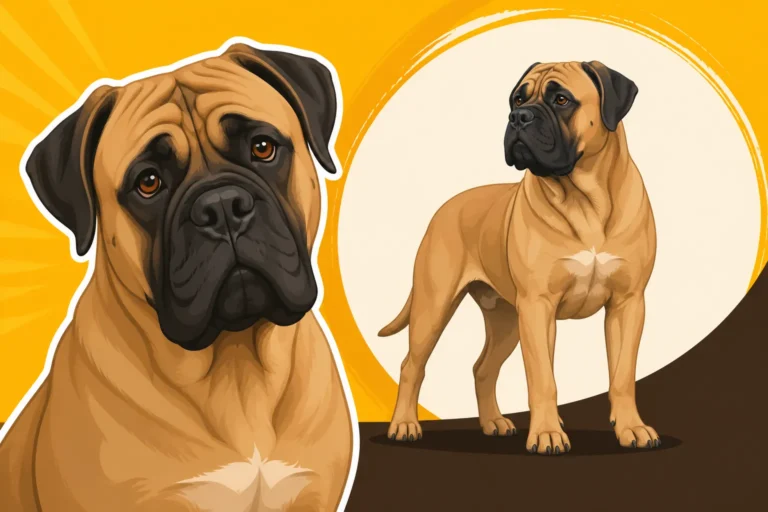
Let's be real: your Bullmastiff isn't going to be leading the pack in an agility trial. These dogs are heavy-boned, muscular powerhouses, designed for short bursts of strength, not sustained speed or intricate maneuvers. Their lineage as a gamekeeper's night dog, meant to track and hold poachers, required a dog with immense strength and presence, capable of covering ground quickly but not over vast distances. This means that sports requiring explosive, repetitive jumping, tight turns, or long periods of high-intensity running are generally not a good fit. Think about their structure: they carry a lot of weight, which puts significant strain on joints during high-impact activities. Over-exertion, especially in warmer weather, is also a serious concern for brachycephalic (short-nosed) breeds like the Bullmastiff. Why a Bullmastiff Overheats So Easily is a critical read for any owner considering active sports. Their musculature is perfectly suited for steady pulling and holding, or for activities that require deliberate, controlled movement.
It's also crucial to remember that a Bullmastiff's growth plates close later than many other breeds. Pushing intense physical activity, particularly activities that involve jumping or hard impacts, before they are fully mature, typically around two to three years of age, can lead to serious and irreversible joint damage. This is why careful exercise limits are so important for puppies and adolescents. The Exercise Limit for a Bullmastiff Puppy emphasizes this critical point. Even when fully grown, sports that respect their robust frame and leverage their strength without undue strain on their joints will always be the best choice.
The Bullmastiff Temperament in Action
Beyond their physical build, a Bullmastiff's temperament plays a huge role in their sporting success and enjoyment. They are known for being calm, courageous, and exceptionally devoted to their families, but they also possess a strong independent streak and a "what's in it for me?" attitude. They are intelligent, but not always eager to please in the way a Border Collie might be. This doesn't mean they can't be trained for sports; it simply means the approach needs to be different. The Bullmastiff That Pauses to Decide Whether You Are Worth It perfectly captures their deliberate nature. Patience, consistency, and positive reinforcement are key. They thrive on clear communication and rewards that they truly value, whether it's a favorite toy, a tasty treat, or heartfelt praise.
They're not typically "go-go-go" dogs; they prefer to assess a situation and act deliberately. This makes them less suitable for sports that demand lightning-fast reactions or high-strung enthusiasm. Instead, their thoughtful nature can be a huge asset in sports that require focus, problem-solving, and a steady demeanor. Their protective instincts, while strong, are usually expressed through presence and deterrence rather than aggression, making them unsuitable for certain "protection" sports that might misinterpret or exacerbate these natural guarding tendencies. They generally prefer to work with their owner as a team, rather than being simply directed.
Health Considerations for Active Bullmastiffs
Anytime you consider engaging your Bullmastiff in a dog sport, a thorough veterinary check-up is paramount. Bullmastiffs, like many large and giant breeds, are predisposed to certain health conditions that can be exacerbated by physical activity. Hip and elbow dysplasia are unfortunately common concerns. Hips and Elbows Under a Hundred and Thirty Pound Bullmastiff highlights the importance of understanding these conditions. Even a dog with mild dysplasia might do well in low-impact activities but could suffer greatly in high-impact sports. Cardiac conditions, such as subaortic stenosis, also warrant careful screening. What Subaortic Stenosis Does to a Bullmastiff explains how serious this can be. A heart murmur needs immediate investigation before any strenuous activity is considered.
Beyond structural issues, being a brachycephalic breed means they are prone to overheating. This isn't just an inconvenience; it can be life-threatening. Any sport undertaken must factor in weather conditions, hydration, and appropriate rest periods. Bloat (gastric dilation-volvulus) is another significant risk for deep-chested breeds. While not directly caused by exercise, intense activity too close to meals can be a contributing factor. Ensuring adequate rest before and after eating, and potentially using slow feeder bowls, are good management practices. All of these health factors mean that choosing the right sport isn't just about fun; it's about responsible ownership and protecting your Bullmastiff's well-being.
Top Dog Sports for the Bullmastiff's Physique and Personality
Now that we understand their unique characteristics, let's explore some dog sports where Bullmastiffs often excel and genuinely enjoy themselves. These activities play to their strengths, engaging their minds, utilizing their power, and respecting their physical limitations.
Weight Pulling and Carting: Unleashing Their Natural Power
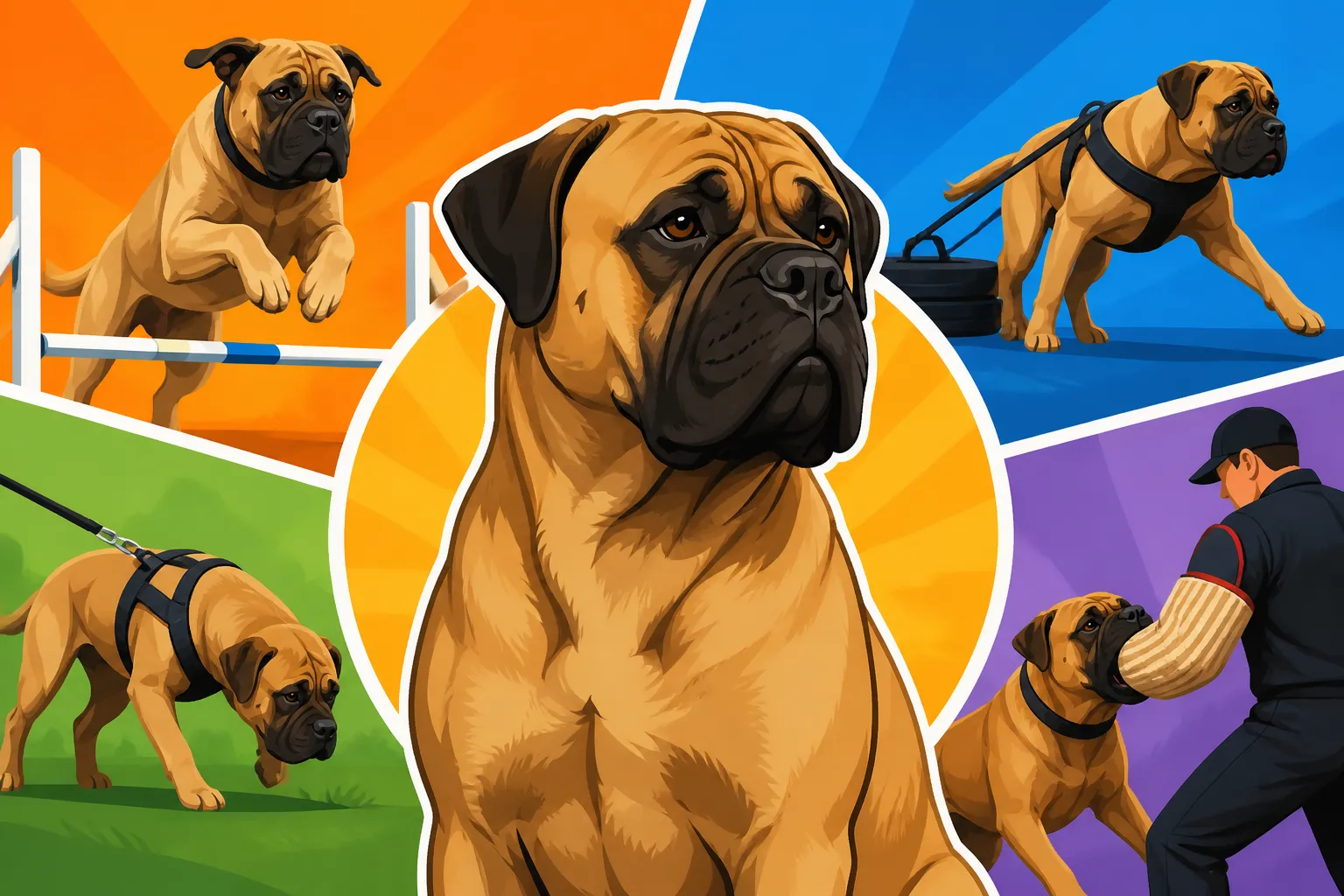
If there's one sport that truly leverages a Bullmastiff's immense strength, it's weight pulling or carting. These activities tap directly into their natural build as powerful working dogs. Weight pulling involves a dog pulling a weighted cart or sled over a short distance, demonstrating controlled power and drive. Carting, on the other hand, often involves pulling a lighter cart for longer distances, sometimes carrying goods or even children, which can be a fantastic way to engage their desire to "work" and feel useful. The deliberate nature of these sports suits a Bullmastiff far better than the frantic pace of, say, flyball. They can lean into their harness and apply their body weight and muscle, rather than relying on quick turns or jumps.
For weight pulling, safety is paramount. Proper conditioning is a must, starting with very light weights and gradually increasing. The harness used is highly specialized, distributing the weight evenly across their chest and shoulders, never on their throat or back. You can find excellent quality pulling harnesses on platforms like Amazon, ensuring you get one designed specifically for canine weight pull. The training focuses on forward drive, consistent pulling, and listening to commands. For carting, it's a wonderful way to involve the whole family, perhaps teaching your Bullmastiff to pull a wagon of picnic supplies to the local park. This provides both physical and mental stimulation and fosters a strong working relationship between you and your dog.
Scent Work and Tracking: Engaging Their Minds and Noses
Bullmastiffs have surprisingly keen noses, and scent work or tracking sports are fantastic ways to tap into their intelligence and natural hunting instincts in a controlled and rewarding manner. These activities are low-impact physically, making them suitable for Bullmastiffs of all ages, and they offer immense mental enrichment. Scent work, also known as nose work or K9 Nose Work, involves teaching your dog to find specific target odors hidden in various environments (containers, interiors, exteriors, vehicles). Dogs absolutely love this game because it allows them to do what they're naturally wired to do: sniff and solve puzzles. It's an incredible confidence builder and a wonderful outlet for their focus.
Tracking takes this a step further, teaching your Bullmastiff to follow a specific human scent trail over varying terrain and distances. While it requires more specialized training and dedication, the reward of seeing your Bullmastiff methodically follow a trail, nose to the ground, is incredibly satisfying. Both scent work and tracking require immense concentration and problem-solving, making them perfect for the thoughtful, deliberate Bullmastiff mind. These sports don't rely on speed or athleticism but on patience, perseverance, and a strong bond between dog and handler. They can even be done individually, making them accessible to many owners.
Obedience and Rally: Channeling Their Deliberate Nature
While Bullmastiffs might not be known for lightning-fast obedience, their intelligence and desire to work with their handler make them excellent candidates for traditional obedience and rally obedience. These sports are all about precision, communication, and teamwork. In obedience, dogs perform a set routine of commands like heel, sit, stay, come, and retrieve, often off-leash at higher levels. Rally obedience is a more relaxed and fun version, where handlers and dogs navigate a course with various stations, each displaying a sign with a command to perform. It's less formal than traditional obedience and encourages more verbal communication and encouragement from the handler.
The beauty of these sports for a Bullmastiff lies in their focus on controlled movement and mental engagement. It's not about being the fastest, but about being accurate and responsive. Bullmastiffs, while sometimes appearing stubborn, are highly capable of learning complex commands and executing them with grace, albeit at their own chosen pace. These activities strengthen the bond between dog and owner and provide a fantastic mental workout. Resources like BAXTER & Bella offer excellent online training programs that can help you establish a solid foundation in basic obedience, which is essential before diving into these competitive sports. A well-trained Bullmastiff is a joy to live with, and these sports offer a structured way to achieve that while having fun. Training a Bullmastiff That Weighs More Than You Do emphasizes the need for consistent and positive methods, which are foundational to success in these sports.
Low-Impact and Brain-Boosting Activities
Not every sport needs to be a competitive arena. Many activities offer tremendous benefits for Bullmastiffs, focusing on mental engagement, gentle exercise, and community involvement without the intensity of some high-octane sports.
Conformation Showing: The Original "Sport"
For many Bullmastiff owners, conformation showing is the "sport" of choice. While it's not a test of athletic prowess in the traditional sense, it is a highly competitive activity where dogs are judged on how well they conform to the breed standard. This means evaluating their physical structure, movement, and temperament. For a Bullmastiff, showing requires a calm demeanor, confident presence, and the ability to move smoothly and powerfully around the ring. It's a sport that celebrates the ideal Bullmastiff, focusing on their regal bearing and impressive musculature.
Training for conformation involves teaching your Bullmastiff to stand properly, to gait (trot) gracefully on a lead, and to allow a judge to examine them confidently. It's a wonderful way to learn more about your breed's history and structure, and to connect with other dedicated Bullmastiff enthusiasts. While it doesn't involve strenuous physical activity, it demands mental focus and poise from your dog, and careful handling skills from you. Plus, it's an opportunity to show off your beautiful Bullmastiff!
Therapy Dog Work: Gentle Giants Giving Back
Bullmastiffs are renowned for their gentle and empathetic nature, making them absolutely ideal candidates for therapy dog work. This isn't a "sport" in the competitive sense, but it is an incredibly rewarding activity that allows your Bullmastiff to share their calming presence and warmth with those who need it most. Visiting hospitals, nursing homes, schools, or even libraries to be read to, a Bullmastiff can bring immense comfort and joy. Their imposing size often serves to initially awe, but their soft eyes and affectionate demeanor quickly melt hearts.
To become a certified therapy dog, your Bullmastiff will need excellent manners, a calm temperament, and the ability to remain unfazed by unusual sights, sounds, and smells. They must be comfortable with strangers petting them, sometimes awkwardly, and respond reliably to basic commands. This requires foundational obedience training and socialization, but it's well within the Bullmastiff's capabilities. It's a truly heartwarming way to spend time with your dog and make a real difference in your community. Imagine the smiles your Bullmastiff could bring to a child or an elderly person; it's an unparalleled feeling.
Canine Good Citizen and Trick Training: Foundation for Fun
Sometimes the best "sports" are the ones that build a strong foundation and simply allow you and your dog to have fun together. The Canine Good Citizen (CGC) program is an excellent starting point for any Bullmastiff owner. It's not a competitive sport but a certification program that tests a dog's basic manners and obedience in real-world scenarios. Passing the CGC test demonstrates that your Bullmastiff is a well-behaved member of society, capable of polite greetings, walking on a loose leash, and remaining calm when separated from you briefly. This is invaluable preparation for any other activity or sport you might pursue.
Trick training is another fantastic low-impact option that offers immense mental stimulation and strengthens your bond. Bullmastiffs are intelligent and can learn a surprising array of tricks, from simple "shake a paw" and "play dead" to more complex sequences. The beauty of trick training is that it's entirely customizable to your dog's abilities and preferences. It's about problem-solving and positive reinforcement, which Bullmastiffs respond to very well. Using high-value treats and keeping sessions short and fun are crucial. You can even find great resources online for trick training. What Motivates a Bullmastiff explores the types of rewards that will get your Bullmastiff engaged and eager to learn, making trick training a blast for both of you.
| Sport / Activity | Description | Bullmastiff Suitability (Pros) | Bullmastiff Suitability (Cons/Considerations) |
|---|---|---|---|
| Weight Pulling / Carting | Dog pulls weighted sled/cart over short distance or light cart longer. | Leverages immense natural strength; low impact; deliberate pace. | Requires specialized harness and careful conditioning; risk of injury if not done correctly. |
| Scent Work / Tracking | Dog finds hidden odors or follows scent trails. | Engages keen nose and mind; low physical impact; confidence builder. | Requires patience and consistent training; can be time-consuming; need good foundational obedience. |
| Obedience / Rally | Dog performs commands (heel, sit, stay, etc.) on a course. | Values precision, teamwork, and mental focus; strengthens bond. | Bullmastiffs can be deliberate, not fast; requires consistent positive reinforcement; may not be as flashy as smaller breeds. |
| Conformation Showing | Dog judged on conformity to breed standard. | Showcases breed beauty and temperament; low physical demand. | Requires specific training for stacking and gaiting; can be subjective; not about athleticism. |
| Therapy Dog Work | Dog provides comfort and affection in various settings. | Capitalizes on gentle, empathetic nature; highly rewarding. | Requires exceptional temperament, socialization, and solid obedience; not a "sport" in the competitive sense. |
| Canine Good Citizen | Basic manners and obedience certification. | Builds strong foundation; excellent life skills; low pressure. | Not a competitive sport; serves as a prerequisite for many activities. |
| Trick Training | Teaching various fun behaviors and commands. | Highly mentally stimulating; customizable; strengthens bond. | No formal competition; relies on handler creativity and dog's motivation. |
Sports to Approach with Caution (or Avoid Entirely)
Just as there are sports perfectly suited for a Bullmastiff, there are others that are either physically dangerous for them or simply don't align with their natural instincts and temperament. It's about being realistic and putting your dog's health and happiness first.
Agility and Flyball: High Impact, High Risk
Agility, with its jumps, tunnels, weave poles, and rapid changes of direction, is a phenomenal sport for many breeds. Flyball, with its high-speed relays over hurdles, is also incredibly exciting. However, for a Bullmastiff, these sports pose significant risks and are generally not recommended. The sheer bulk and weight of a Bullmastiff put immense strain on their joints, ligaments, and tendons during the repetitive jumping, tight turns, and sudden stops required in agility. A single misstep could lead to a serious injury like a cruciate tear or exacerbate existing hip or elbow issues. Cruciate Tears in a Bullmastiff highlights how easily these can occur, even from everyday activities.
Furthermore, these sports demand a level of sustained speed and explosive energy that is simply not characteristic of the Bullmastiff. While they can be surprisingly agile for their size, asking them to perform at the high speeds and precision required in competitive agility or flyball is asking them to work against their natural build. The risk of overheating is also a major concern due to the high-intensity nature of these activities. There are many other sports where your Bullmastiff can excel without putting their physical well-being in jeopardy.
Dock Diving and Lure Coursing: Pushing Physical Limits Too Far
Dock diving, where dogs run down a dock and jump for distance or height into water, and lure coursing, where dogs chase an artificial lure across an open field, are incredibly fun and visually impressive sports. However, they are generally ill-suited for the Bullmastiff. Dock diving, while involving water (which can be good for joints), still requires an explosive leap off a solid surface, which can be jarring for a heavy dog. The repeated impact upon landing in the water, even if it's soft, can also be taxing. Not all Bullmastiffs are natural swimmers, and while some enjoy a dip, the athletic demands of dock diving are often too much. How Well a Bullmastiff Swims isn't just about enjoyment, it's about their capability and comfort.
Lure coursing, on the other hand, involves high-speed running, twisting, and turning over potentially uneven ground. This places extreme stress on their joints, spine, and soft tissues. Bullmastiffs are built for powerful, straight-line bursts, not sustained, agile pursuit. The risk of muscle strains, ligament tears, and other orthopedic injuries is very high, especially given their predisposition to conditions like hip and elbow dysplasia. These sports are designed for sighthounds and other agile, high-speed breeds, not for the sturdy, muscular Bullmastiff. It’s important to prioritize long-term health over momentary thrills.
Protection Sports: A Misunderstanding of Their Instincts
You might think that because Bullmastiffs were originally bred to guard, protection sports (like Schutzhund or French Ring) would be a natural fit. However, this is a significant misunderstanding of their historical role and inherent temperament. The original Bullmastiff was bred to hold a poacher, not to attack or maul them. Their goal was to incapacitate the intruder silently and non-aggressively, waiting for the gamekeeper to arrive. A Bullmastiff Was Bred to Hold a Man, Not Bite Him clearly explains this vital distinction. Protection sports, by contrast, involve training a dog to bite and hold an aggressor, often with a focus on high drive, intensity, and controlled aggression.
While a Bullmastiff certainly possesses strong protective instincts, channeling these through a sport that encourages biting can be dangerous and counterproductive. It can lead to a dog that misinterprets social cues, becomes inappropriately aggressive, or is difficult to control. For a breed as powerful as the Bullmastiff, any training that encourages biting or heightens their protective drive without extreme caution and professional oversight is generally not recommended. Their natural deterrent is their size and presence, not an aggressive bite. Why Protection Training Is Unnecessary for a Bullmastiff expands on why this type of training often goes against the very nature of what makes a Bullmastiff a wonderful companion.
Essential Training and Preparation for Sporting Bullmastiffs
No matter which dog sport you choose for your Bullmastiff, proper preparation and ongoing training are crucial for both their safety and their enjoyment. Skipping these steps can lead to frustration, injury, or a disengaged dog.
The Importance of a Slow Start and Proper Conditioning
Rome wasn't built in a day, and neither is a sporting Bullmastiff. Given their size, weight, and slower maturation rate, a gradual approach to conditioning is absolutely non-negotiable. Don't throw your Bullmastiff into intense training sessions right off the bat, especially if they haven't been regularly active. Start with short, low-impact activities, gradually increasing duration and intensity over weeks or months. Think slow, steady walks before any pulling work, or short scent games before full tracking trials.
For any sport that involves physical exertion, conditioning means building muscle, stamina, and joint stability. This isn't just about preventing injury; it's about ensuring your dog can perform comfortably and safely. Consult your veterinarian for advice on an appropriate conditioning program, especially if your Bullmastiff has any pre-existing health concerns. Remember, A Bullmastiff Is Not Grown Up Until Three, so intense physical work should be reserved for fully mature dogs. Even then, listen to your dog. If they seem tired, sore, or reluctant, it's time for a break or a slower pace. The goal is enjoyment and healthy activity, not pushing them to their limits.
Positive Reinforcement: The Bullmastiff Way
Bullmastiffs respond best to positive reinforcement training methods. They are intelligent and sensitive, and harsh corrections or force will quickly shut them down or make them stubborn. They learn by understanding what you want them to do and being rewarded for doing it. This means using treats, praise, toys, and anything else your Bullmastiff finds motivating to reinforce desired behaviors. When they 'pause to decide' if a command is worth it, a high-value treat can often provide the necessary incentive. How Stubborn a Bullmastiff Is often comes down to their assessment of the value proposition!
Consistency is also key. Bullmastiffs thrive on routine and clear expectations. Everyone in the household should use the same commands and reward system. Short, fun training sessions (5-10 minutes) are far more effective than long, drawn-out ones, especially when starting out. Building a strong, trusting relationship through positive methods is the foundation of success in any sport, transforming a potentially stubborn giant into a willing and engaged partner. Online platforms like BAXTER & Bella can be incredibly helpful for learning effective positive reinforcement techniques and getting structured training guidance right from your living room.
Gear and Safety for Large Breed Athletes
When engaging a Bullmastiff in any sport, the right gear is essential for their safety and comfort. This isn't the place to cut corners. For sports like weight pulling or carting, a properly fitted, specialized pulling harness is critical. A standard walking harness is not designed for the forces involved and could injure your dog. You can find high-quality, durable harnesses specifically for these activities on sites like Amazon. Similarly, if you're doing a lot of walking or tracking, a comfortable, well-fitting walking harness that doesn't chafe or restrict movement is important.
Always carry plenty of water, especially during warmer months, and offer frequent breaks. Cooling vests or mats can be beneficial for brachycephalic dogs during outdoor activities. For dogs involved in any physically demanding sport, an orthopedic bed at home is not a luxury, it's a necessity. What an Orthopedic Bed for a Bullmastiff Costs might seem like an expense, but it's an investment in their joint health and comfort, helping them recover after activity and supporting their heavy frame. Always check equipment for wear and tear, and never use anything that is damaged or ill-fitting. Your Bullmastiff's safety should always be your top priority.
Disclaimer
This article is for general informational purposes only and does not constitute professional advice. Laws, prices and regulations vary by location and change over time. Consult a qualified professional for guidance on your specific situation.