Where a Bullmastiff Chooses to Sleep
You've just invested in a gorgeous, comfy dog bed, perhaps even an orthopedic one that cost a small fortune, only to find your giant Bullmastiff sprawled out on the cold kitchen tile or, even worse, attempting to wedge their massive body onto the accent rug that's clearly too small. It's a common frustration for Bullmastiff owners, wondering why their regal companion shuns luxury for the hard, cold floor or, conversely, tries to claim your king-sized bed as their own. This guide will delve into the fascinating and sometimes perplexing choices Bullmastiffs make about where they sleep, helping you understand their instincts and create the perfect restful haven for your beloved giant.
Understanding Your Bullmastiff's Natural Sleep Instincts
Bullmastiffs are magnificent creatures, steeped in a history of guarding vast estates and silently holding poachers. This background, combined with their unique physical characteristics, heavily influences their sleeping habits and preferences. It's not just about finding a comfy spot; it's about temperature regulation, security, and staying close to their "pack" – which is you, of course!
The Quest for Coolness and Comfort
One of the most immediate instincts driving a Bullmastiff's choice of sleeping spot is temperature. These are big dogs, and their short muzzle, dense build, and relatively thick coat mean they can overheat easily. You might notice them panting even on a moderately warm day, and at night, they're constantly searching for ways to cool down.
This desire for coolness often leads them to shun the plush, insulating dog bed you so carefully selected. Instead, they'll gravitate towards hard, cool surfaces like tile, linoleum, or even bare concrete in a cooler part of the house. These surfaces act like giant cooling mats, drawing heat away from their bodies. It's not a rejection of your generosity; it's a physiological need. While a soft bed might seem more comfortable to us, to a Bullmastiff struggling with internal warmth, that cool floor is pure bliss. They might sprawl out completely, belly to the floor, maximizing the surface area contact with the cool tile. This instinct becomes even more pronounced in warmer months, making air conditioning less of a luxury and more of a necessity for them. Why a Bullmastiff Overheats So Easily
Beyond temperature, comfort for a Bullmastiff is also about support. Their substantial weight, often well over a hundred pounds, puts a lot of stress on their joints. While a soft, squishy bed might feel good initially, it can fail to provide the firm support their heavy joints truly need over hours of sleep. This is why many Bullmastiff owners find their dogs rotating between soft beds and hard floors. The hard floor, while not providing cushioning, offers a completely flat, firm surface that can feel good for their alignment, especially if they are prone to conditions like hip or elbow dysplasia. An orthopedic bed is designed to mimic this firm, supportive quality while adding a layer of cushioning, but it still needs to be made of materials that don't trap excessive heat. Bedding and Joints for a Hundred and Thirty Pound Bullmastiff
Seeking Security and Proximity to the Pack
Despite their often serene and sometimes stubborn demeanor, Bullmastiffs are inherently guardian dogs. This deeply ingrained instinct means they are always aware of their surroundings, even in their sleep. They like to position themselves where they can keep an eye (or ear) on things, ensuring the safety of their family.
You'll often find your Bullmastiff sleeping in doorways, hallways, or even at the foot of your bed, effectively blocking access to critical areas. This isn't them being rude; it's their way of standing guard. If a stranger were to enter, they would be the first to know, often reacting with a silent, watchful presence rather than an immediate bark. The Silent Guard: Why a Bullmastiff Barks So Little Their historical role as "Silent Guardians" meant they needed to be alert without drawing attention, and this trait still manifests in their sleeping patterns.
Furthermore, Bullmastiffs are incredibly devoted to their human families. They crave proximity and find comfort in being near their "pack." This is why even if they have a perfectly good bed in another room, they will often follow you from room to room, settling down with a contented sigh wherever you happen to be. Why a Bullmastiff Follows You Room to Room This constant desire for closeness means their preferred sleeping spot will often be wherever they can be near you, whether that's under your desk during the workday, on a rug in the living room while you watch TV, or on the bedroom floor at night. It’s a testament to their loyalty and their profound need for social connection.
Common Bullmastiff Sleeping Spots (And Why They Love Them)
It's almost a running joke among Bullmastiff owners: you spend a small fortune on a luxurious, memory foam bed, only for your dog to ignore it completely in favor of the least comfortable-looking spot in the house. Let's break down some of their favorite, and sometimes perplexing, choices.
The Floor, Everywhere and Anywhere
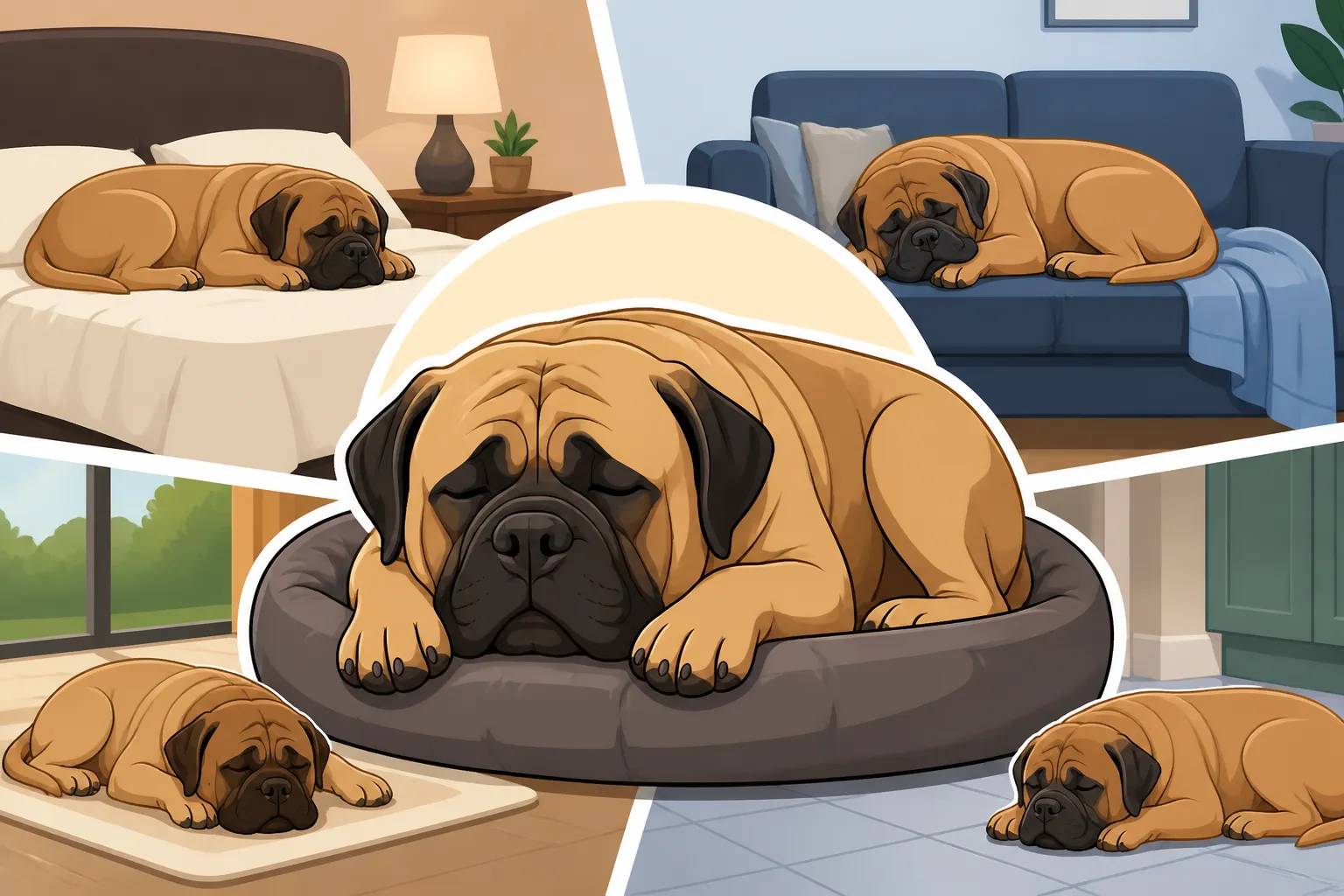
Ah, the floor. The eternal rival to the expensive dog bed. For Bullmastiffs, the floor, especially hard surfaces like tile, stone, or hardwood, is a prime sleeping location. There's a simple, undeniable logic to it: it's cool. For a breed that can easily overheat, laying spread-eagle on a cold kitchen floor is like taking a refreshing dip on a hot day. Their broad chests and bellies make excellent contact with the cool surface, allowing them to dissipate heat efficiently.
You might find your Bullmastiff stretched out in the sunniest spot on the carpet in the morning, only to migrate to the shadiest, coolest patch of tile by afternoon. This isn't just a quirky preference; it's self-regulation. The ability to shift between warmer, softer spots and cooler, firmer ones is vital for their comfort and health. Don't be offended if your Bullmastiff consistently chooses the floor over their bed; it often means they're just trying to stay comfortable. They value functionality over plushness when it comes to temperature control, and a hard floor offers that in spades. Whether a Bullmastiff Sleeps on a Hard Floor This is often why they might choose a spot in a hallway or doorway – not only is it a good vantage point for guarding, but these areas often have less carpet and more hard flooring, providing that crucial cooling sensation.
The Dog Bed (When They Deign to Use It)
While the floor often wins out, a well-chosen dog bed can still be a cherished spot for your Bullmastiff, especially when the temperature is just right or they need extra support. The key is "well-chosen." A flimsy, under-stuffed bed will offer little comfort or support for a dog of this size and weight, and they'll quickly abandon it.
An ideal dog bed for a Bullmastiff needs to be several things: large enough for them to stretch out completely, supportive, and durable. This often means investing in an orthopedic bed with dense foam that won't flatten under their weight. Brands available on platforms like Amazon offer a wide range of options, from basic foam to more advanced memory foam varieties. Look for beds that are specifically marketed for giant breeds. The size is critical; a bed that forces them to curl up tightly when they want to stretch will be rejected. Additionally, a bed with a removable, washable cover is a godsend for managing drool and shedding. Which Bed a Bullmastiff Needs Even when they do use their bed, it's not uncommon for them to still leave a limb or their head hanging off the edge, perhaps seeking a cooler surface or just maximizing their sprawl.
Your Bed, Your Couch, Your Lap (The Ultimate Privilege)
Let's be honest, many Bullmastiff owners have, at some point, found their gentle giant attempting to share their bed or claim a spot on the couch. For some, it's a firm "no"; for others, it's an accepted, if sometimes unwieldy, reality. The appeal of your furniture for a Bullmastiff is multifaceted: it's often soft, elevated, warm (thanks to your body heat), and most importantly, it puts them in direct, close contact with their beloved humans.
A Bullmastiff sees your bed or couch not just as a piece of furniture, but as the ultimate "pack" sleeping spot. Being allowed up there is a sign of ultimate trust and belonging. While their size can make this impractical for many – a 130-pound dog takes up a lot of real estate! – the desire is almost always there. Managing this often comes down to individual house rules and your tolerance level. Some owners provide a dedicated dog couch or a very large, comfortable bed right next to their own, offering a compromise between closeness and personal space. For those who choose to allow it, be prepared for a significant reduction in your own sleeping space and a daily battle with dog hair and drool. If you choose to train them off furniture, consistency is key, perhaps utilizing positive reinforcement techniques learned from resources like BAXTER & Bella to encourage them to use their own designated sleeping areas.
Creating the Ideal Sleep Environment for Your Bullmastiff
Now that we understand why your Bullmastiff chooses certain spots, let's talk about how you can proactively create a sleep environment that caters to their needs and preferences, leading to a well-rested and happy giant.
Strategic Placement of Beds
Simply buying a great bed isn't enough; where you place it is just as important. Think about your Bullmastiff's instincts: their need for coolness, security, and proximity.
- Offer Choices: Instead of just one bed, consider having two or three throughout the house. Place one in a cooler, quieter area, perhaps on a hard floor, for when they need to chill out. Another could be in a more central, higher-traffic area (like the living room or your bedroom) where they can feel part of the family. This allows them to choose based on their current needs – whether it's to cool down, feel secure, or simply be near you.
- Observe Their Preferences: Pay attention to where your Bullmastiff naturally gravitates. Do they always choose the spot under the window? The cool tile in the hallway? Place a bed in or near those favored locations. If they're constantly following you, consider a smaller, more portable mat that can move with you, or ensure there's a comfortable option in each room you spend significant time in.
- Consider Drafts and Sunlight: While they seek coolness, extreme drafts can be uncomfortable. Conversely, a spot that gets too much direct sunlight can quickly become a hot zone. Aim for balanced locations, perhaps near a window but not directly in a hot sunbeam, or in a sheltered corner that still allows them to observe the room. For nighttime, many Bullmastiffs prefer to sleep on the floor near their owners' bed, providing both security and proximity without being directly on the bed itself. How Much a Bullmastiff Sleeps
Choosing the Right Bedding
The quality and type of bedding you provide are paramount for a Bullmastiff, given their size and propensity for joint issues.
- Orthopedic Support is Non-Negotiable: For a breed susceptible to hip and elbow dysplasia and arthritis as they age, an orthopedic bed with high-density, supportive foam is crucial. This isn't just for senior Bullmastiffs; starting them young on good quality bedding can help support their joints throughout their lives. Look for beds with at least 4-6 inches of solid foam that won't compress easily.
- Size Matters: Your Bullmastiff needs to be able to stretch out fully on their bed without parts of their body hanging off. Measure your dog from nose to tail when they're fully extended, and add a few inches for good measure. A bed that's too small will be ignored. Which Bed Size a Bullmastiff Needs
- Cooling Features: Consider beds with gel-infused memory foam or those with breathable covers to help manage their body temperature. Cooling mats can also be placed on top of their regular bed or directly on the floor as an extra layer of relief during warmer months. Elevated cot-style beds, while sometimes challenging for very heavy, elderly dogs to get on and off, can also promote airflow and offer a cooler sleeping surface.
- Durability and Washability: With a Bullmastiff, drool and shedding are facts of life. Drool Is the Daily Job With a Bullmastiff Choose a bed with a tough, chew-resistant cover (though no bed is truly indestructible if your dog is a determined chewer) and, critically, one that is easily removable and machine washable. This will help keep odors at bay and maintain a hygienic sleeping environment.
Managing Nighttime Habits and Expectations
Once you've set up the ideal sleeping spots, managing your Bullmastiff's nighttime habits involves a bit of training and understanding.
- Crate Training: A properly introduced crate can become a den-like sanctuary for your Bullmastiff, offering them a secure, private space for sleep. This is particularly useful for puppies, helping with house-training and providing a safe haven. For adults, a crate can be a place of calm, especially if they are prone to wandering or getting into mischief at night. Always ensure the crate is large enough for them to stand, turn around, and stretch out comfortably.
- Establish a Routine: Dogs thrive on routine. A consistent bedtime ritual can help your Bullmastiff understand when it's time to settle down. This might include a final potty break, a quiet chew toy, and then directing them to their designated sleeping area.
- Patience and Consistency: If you're trying to transition your Bullmastiff from your bed to their own, or encourage them to use a new, more appropriate bed, patience is key. Positive reinforcement, such as praise and treats, when they choose their bed, will go a long way. Avoid scolding them for being in the "wrong" spot; instead, gently redirect them to where you want them to be and reward them there. Remember, Bullmastiffs are deliberate thinkers, and sometimes they pause to decide if your request is worth their effort. Why a Bullmastiff Pauses Before Obeying
- Adapt with Age and Seasons: A Bullmastiff's sleeping preferences might change as they age. An older dog might appreciate a warmer, softer bed more consistently as their joints become achy, and they might also sleep more throughout the day. Caring for an Aging Bullmastiff Similarly, their choices will shift with the seasons, favoring cool spots in summer and perhaps a plush bed by a vent in winter. Staying attuned to these changes will ensure your Bullmastiff always has a comfortable place to rest. They are generally quiet indoors, preferring to lounge, so creating quiet, comfortable spots is essential for their daily rhythm. How Quiet a Bullmastiff Is Indoors
By understanding their needs for temperature regulation, security, and joint support, you can create a sleep environment that respects your Bullmastiff's natural inclinations while providing the best comfort and health benefits. It's a journey of observation, adjustment, and a whole lot of love for these magnificent, sometimes perplexing, gentle giants.
| Sleeping Surface / Bed Type | Pros for a Bullmastiff | Cons for a Bullmastiff | Best Use Case |
|---|---|---|---|
| Hard Floors (Tile/Wood) | Excellent for cooling down, firm joint support, easy to clean. | Lacks cushioning, can be too cold in winter, may lead to calluses. | Warm weather, dogs prone to overheating, general lounging. |
| Orthopedic Dog Bed | Superior joint support, cushioning, warmth (if desired), dedicated space. | Can be expensive, may trap heat, requires regular cleaning. | Year-round primary sleeping spot, essential for senior dogs. |
| Cooling Mat | Provides immediate cooling relief, portable, can supplement other beds. | Not a primary bed, can puncture, may not last all night. | Warm weather, placed on existing bed or floor for short-term cooling. |
| Elevated Dog Cot | Promotes airflow for cooling, firm support, off the floor. | Can be challenging for very heavy or arthritic dogs to get on/off, not plush. | Warm climates, outdoor lounging, dogs who like airflow. |
| Your Couch/Bed | Maximum proximity to owner, soft, warm, sense of belonging. | Takes up significant space, cleanliness issues (hair/drool), behavioral boundaries. | Occasional snuggles, if allowed and managed; personal preference. |
Disclaimer
This article is for general informational purposes only and does not constitute professional advice. Laws, prices and regulations vary by location and change over time. Consult a qualified professional for guidance on your specific situation.