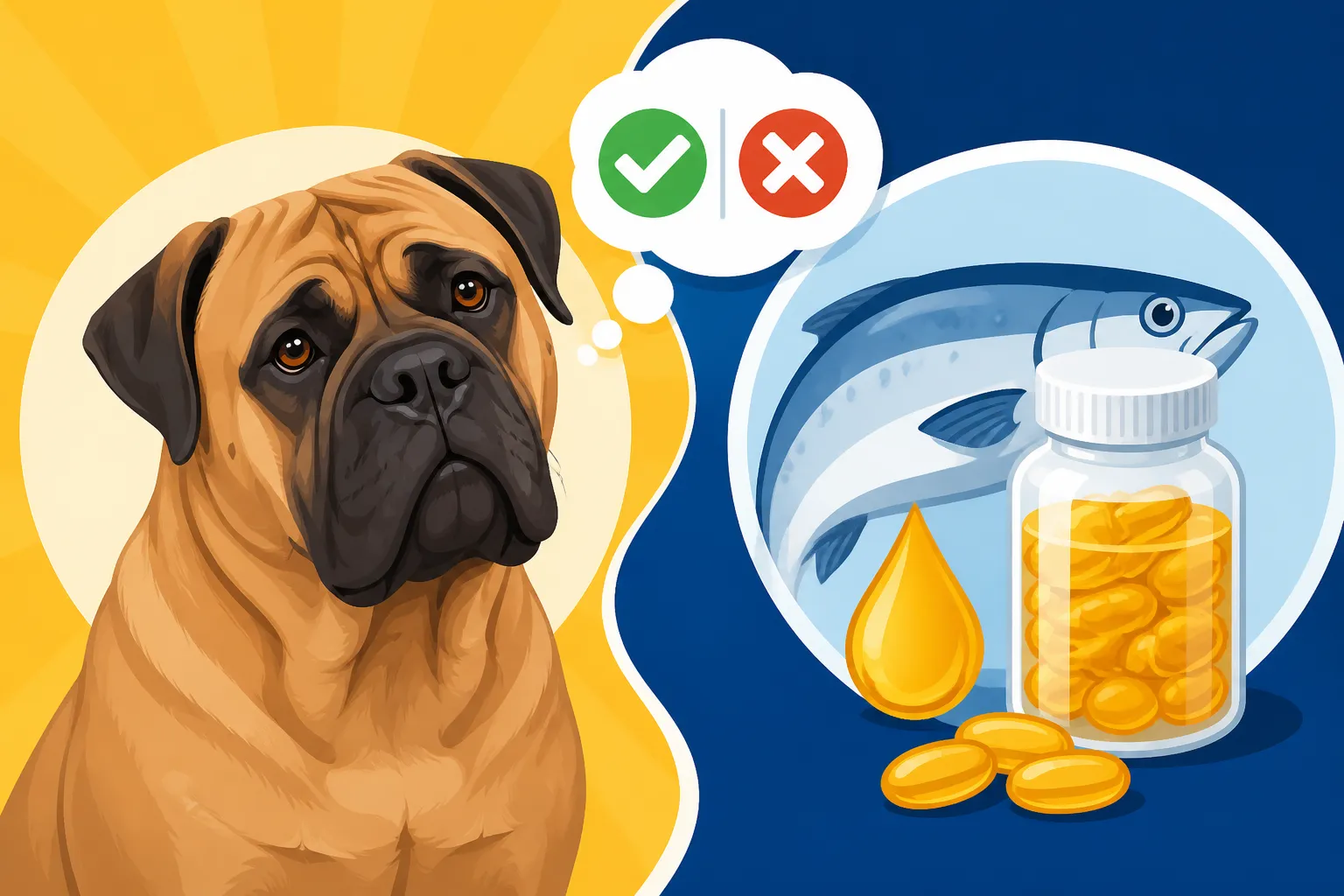
Whether a Bullmastiff Needs Fish Oil
As Bullmastiff owners, we constantly search for ways to ensure our gentle giants live their healthiest, happiest lives, especially when it comes to their diet and supplements. It’s easy to get overwhelmed by all the information out there, with everyone from your neighbor to online forums swearing by the latest miracle cure or essential additive. One supplement that frequently comes up in conversation is fish oil, and you might be wondering, "Does my big, drooly companion really need fish oil, or is it just another expensive fad?" This guide will cut through the noise to help you understand what fish oil offers and if it's the right choice for your Bullmastiff.
Understanding What Fish Oil Brings to the Table
Before we dive into the specific benefits, let's break down what fish oil actually is and why it's touted as such a powerhouse supplement. It's not just a fancy oil; it contains some truly special components that our dogs, and frankly, we humans, often don't get enough of in our regular diets.
The Omega-3 Essential Fatty Acids: EPA and DHA
When people talk about the goodness in fish oil, they're almost always referring to omega-3 fatty acids, specifically Eicosapentaenoic Acid (EPA) and Docosahexaenoic Acid (DHA). These aren't just any fats; they're essential fatty acids, meaning your Bullmastiff's body can't produce them on its own. They have to come from their diet.
Think of them as the unsung heroes working behind the scenes. EPA is primarily known for its powerful anti-inflammatory properties. This is a big deal for a breed like the Bullmastiff, which can be prone to joint issues and other inflammatory conditions. DHA, on the other hand, is crucial for brain development and function, vision, and nerve health. While often highlighted for puppies, DHA remains important throughout a dog's life for cognitive sharpness and overall neurological well-being. A balanced intake of these two can really make a difference, quietly supporting many of your dog's vital systems.
Where Does Fish Oil Come From?
Not all fish oil is created equal, and understanding its source can help you make a more informed decision. The best fish oils for dogs typically come from cold-water, fatty fish that are lower on the food chain, which means less risk of accumulated toxins.
Common sources include:
- Salmon oil: A very popular choice, often readily available. However, wild-caught salmon oil is generally preferred over farmed due to potential differences in diet and pollutant exposure.
- Sardine and Anchovy oil: These smaller fish are often considered ideal because they have shorter lifespans and feed lower on the food chain, making them naturally less likely to accumulate heavy metals like mercury compared to larger, longer-lived fish. Many high-quality supplements focus on these sources for purity.
- Cod liver oil: While a source of omega-3s, cod liver oil also contains significant amounts of Vitamin A and D. This means you need to be very careful with dosing to avoid vitamin toxicities, which can be dangerous for your Bullmastiff. Most vets recommend dedicated fish oil supplements for omega-3s rather than cod liver oil for this reason.
When you’re looking at products, whether on a trusted pet supply site like Chewy or a broader marketplace like Amazon, pay attention to the source. Reputable brands will clearly state what fish their oil is derived from.
The Buzz Around Supplements
Let's be real, the pet supplement market is booming, and it's easy to feel pressured to give your dog "all the things." Every well-meaning friend has a suggestion, and every social media post shows a gleaming dog thriving on some new concoction. It's tough not to wonder if you're missing something crucial for your Bullmastiff if you're not adding extra powders and potions to their bowl. The truth is, while many supplements are indeed beneficial, not all are necessary for every dog. It’s about being discerning and focusing on what truly supports your particular dog’s health needs and breed predispositions. Fish oil, due to its widely recognized benefits, often rises above the "fad" category when sourced correctly and used appropriately.
The Potential Benefits of Fish Oil for Your Bullmastiff
Now, let's get down to the brass tacks: what can fish oil potentially do for your magnificent Bullmastiff? For a large breed dog, the impact of these omega-3s can be particularly significant, addressing some common concerns that owners of big dogs often face.
Supporting Joint Health and Mobility
This is perhaps the number one reason many Bullmastiff owners consider fish oil. Bullmastiffs are substantial dogs, carrying a lot of weight on their joints. Like many large and giant breeds, they can be predisposed to conditions such as Hip Dysplasia in a Bullmastiff and Elbow Dysplasia in a Bullmastiff. These conditions involve the abnormal development or wear and tear of the joints, leading to inflammation, pain, and reduced mobility.
EPA, the anti-inflammatory omega-3, plays a critical role here. It can help reduce the production of inflammatory mediators in the body, which are chemicals that contribute to pain and stiffness in the joints. While fish oil isn't a cure for existing structural problems, it can certainly help manage the inflammation and discomfort associated with them. Imagine your Bullmastiff, even in their younger years, moving with a bit more ease and less grinding discomfort as they get up from a nap or navigate the stairs. For an older Bullmastiff, a consistent intake of fish oil could mean more comfortable evening strolls and less morning stiffness. It can work synergistically with other joint supplements you might be considering, offering a comprehensive approach to joint care. Hips and Elbows Under a Hundred and Thirty Pound Bullmastiff are under immense strain, and any support we can offer them is a good thing.
Promoting Healthy Skin and a Lustrous Coat
Have you ever noticed your Bullmastiff's coat looking a bit dull, or their skin appearing dry and flaky, especially during seasonal changes or in drier climates? Fish oil is often a go-to remedy for these issues. The omega-3s help to maintain the integrity of the skin barrier, keeping moisture locked in and irritants out. This can lead to less dryness, itchiness, and irritation.
For dogs with sensitive skin or mild Skin Allergies in a Bullmastiff, the anti-inflammatory effects can also extend to the skin, helping to calm redness and reduce excessive scratching. A Bullmastiff with a healthy skin barrier is less prone to secondary infections that can arise from constant scratching. The result? A softer, shinier coat that reflects good health from the inside out. Owners often report a noticeable improvement in their dog's coat quality, with a reduction in shedding and a more vibrant appearance. What a Bullmastiff's Coat Should Feel Like is smooth and short, and fish oil can help maintain that healthy texture.
Potent Anti-inflammatory Properties Beyond Joints and Skin
The benefits of fish oil's anti-inflammatory action don't stop at joints and skin. Inflammation is a root cause of many health issues throughout the body, from the gut to the immune system. Chronic, low-grade inflammation can silently impact a dog's overall well-being, sometimes without obvious symptoms until a condition becomes advanced.
For Bullmastiffs, whose robust size can sometimes mask subtle discomforts, reducing systemic inflammation is a proactive step towards long-term health. It can support a healthier immune response, helping the body to respond appropriately to threats without overreacting. While not a standalone treatment for serious conditions, it can be a valuable dietary addition to help modulate inflammatory responses, contributing to better overall physiological balance. This foundational support is particularly important as your Bullmastiff ages, contributing to Caring for an Aging Bullmastiff and maintaining their comfort and vitality for as long as possible.
Supporting Heart Health and Cognitive Function
While joints and skin often get the spotlight, omega-3s have vital roles in other critical systems. DHA is known for its importance in brain development, making it a key ingredient in many puppy foods. But its role doesn't diminish with age; adequate DHA intake helps maintain cognitive function, which can be especially beneficial for older Bullmastiffs. It can help support memory, learning, and overall brain health, potentially mitigating age-related cognitive decline.
Furthermore, EPA and DHA contribute to cardiovascular health. They can support healthy blood pressure, heart rhythm, and overall heart function. For a breed that can sometimes be prone to certain heart conditions, providing this dietary support is a thoughtful preventative measure. While it's not a substitute for veterinary care or medication for diagnosed heart issues, it can be a part of a comprehensive approach to maintain a healthy heart. Regular veterinary check-ups, including How Often a Bullmastiff Needs a Wellness Exam, are crucial to monitor your Bullmastiff's heart health, and you can discuss the role of fish oil with your vet during these visits.
Important Considerations Before Supplementing with Fish Oil
While fish oil sounds like a wonder supplement, it’s not a magic bullet, and simply adding it to your Bullmastiff’s diet without thought can lead to suboptimal results or even issues. It’s crucial to consider quality, dosage, and potential interactions.
Quality and Sourcing Matter Immensely
This is arguably the most critical factor when choosing a fish oil supplement for your Bullmastiff. Not all fish oil products are created equally, and a cheap, low-quality product can do more harm than good.
- Purity and Toxins: Fish, especially larger ones, can accumulate environmental toxins like mercury, PCBs (polychlorinated biphenyls), and dioxins. High-quality fish oil manufacturers use molecular distillation to remove these impurities. Look for products that clearly state they are "human-grade," "purified," or "third-party tested" for contaminants. If a brand is transparent about its testing processes and provides certificates of analysis, that's a good sign. When browsing platforms like Chewy or Amazon, read reviews carefully and prioritize brands known for their rigorous quality control.
- Freshness and Rancidity: Fish oil is highly susceptible to oxidation, which means it can go rancid. Rancid oil not only loses its beneficial properties but can actually be harmful, leading to inflammation and cellular damage. Good quality fish oil will contain antioxidants like Vitamin E (often listed as mixed tocopherols) to protect against rancidity. The oil should smell fresh, not strongly fishy or "off." Store it in a cool, dark place, and follow the manufacturer's recommendations for refrigeration after opening.
Getting the Dosage Right
Administering the correct dosage is paramount. Giving too little might not provide the desired benefits, but giving too much can lead to adverse effects.
- Consult Your Veterinarian: This cannot be stressed enough. Before starting any new supplement, especially for a large breed like a Bullmastiff, talk to your vet. They can help determine if fish oil is appropriate for your dog's individual health needs, current diet, and any existing medical conditions. They can also recommend a specific brand and, most importantly, the correct dosage based on your Bullmastiff's weight and the concentration of EPA and DHA in the product. It’s not just about how many drops or capsules, but the actual milligrams of active omega-3s.
- Weight-Based Dosing: Fish oil dosage is almost always calculated by your dog's weight. Given that Bullmastiffs are well over 100 pounds, their dosage will be considerably higher than that of a smaller dog. Attempting to guess this or relying on general guidelines for "dogs" without considering your Bullmastiff's specific size and health status is a recipe for error. Overdosing, as mentioned, carries risks.
Potential Side Effects and Interactions
While generally safe, fish oil isn't entirely without potential downsides, particularly if not used correctly.
- Gastrointestinal Upset: The most common side effect is digestive upset, including soft stools, diarrhea, vomiting, or gas. This often happens if the dose is too high or if the oil is rancid. Starting with a low dose and gradually increasing it to the recommended amount can help your Bullmastiff's system adjust.
- Blood Thinning: At very high doses, omega-3 fatty acids can have a mild blood-thinning effect. This is usually not an issue for healthy dogs, but it's a critical consideration if your Bullmastiff is on blood-thinning medication, has a bleeding disorder, or is about to undergo surgery. Again, consulting your vet is essential to avoid dangerous interactions.
- Weight Gain: Fish oil is, well, oil. It contains calories. While a proper dose won't significantly impact a healthy Bullmastiff's weight, it's something to keep in mind, especially if you're working to keep your Bullmastiff at a healthy, lean weight. Keeping a Bullmastiff Lean Is the Best Thing You Can Do for their overall health, particularly their joints.
- Vitamin Toxicities (with Cod Liver Oil): As mentioned earlier, if you're considering cod liver oil, be extremely cautious. The high levels of fat-soluble vitamins A and D can accumulate in the body and become toxic. Stick to pure fish oil supplements designed specifically for omega-3 benefits.
Integrating Fish Oil into Your Bullmastiff's Routine
Once you've decided, in consultation with your vet, that fish oil is a good addition to your Bullmastiff's diet, the next step is figuring out how to give it to them effectively and consistently.
Forms of Fish Oil Supplements
Fish oil comes in various forms, each with its own pros and cons:
| Form of Fish Oil | Pros | Cons | Considerations for Bullmastiffs |
|---|---|---|---|
| Liquid Oil | Easy to measure precise dose, can be mixed into food, often more economical for large doses. | Can be messy, prone to oxidation once opened, some dogs dislike the taste/smell, requires refrigeration. | Excellent for large doses required by Bullmastiffs. Use an opaque bottle to prevent light exposure. |
| Soft Gel Capsules | Convenient, less messy, protected from oxidation, no strong smell/taste until opened. | Harder to give to picky dogs, larger pills can be a challenge to swallow, can be more expensive for high doses. | May require many capsules for a Bullmastiff's dose, making them less practical. Some dogs will eat them whole. |
| Chews/Treats | Palatable, easy to administer like a treat. | Dosage often lower, can be expensive, may contain fillers or other ingredients, harder to control exact dosage. | Convenient for small doses or as a supplementary treat, but often insufficient for therapeutic levels of omega-3s for a large Bullmastiff. |
For a Bullmastiff, given their size and the dose of omega-3s they might need, liquid fish oil often proves to be the most practical and cost-effective option for daily supplementation. However, if your Bullmastiff is extremely picky, capsules might be an option if you can hide them in a treat or a small amount of their regular food.
Incorporating It Into Their Daily Meals
Adding fish oil to your Bullmastiff's diet should be a smooth process. Most dogs readily accept it, especially if you introduce it slowly.
- Start Slow: Begin with a quarter or half of the recommended dose for a few days to a week. This allows your Bullmastiff's digestive system to adjust and helps you monitor for any signs of upset.
- Mix with Food: The easiest way to give liquid fish oil is to simply drizzle it over your Bullmastiff's regular food. For soft gels, you can try hiding them in a small piece of cheese, a dollop of peanut butter (xylitol-free!), or even a piece of cooked meat. Some Bullmastiffs will even eat the capsules straight.
- Consistency is Key: For fish oil to be effective, especially for conditions like joint support or skin health, it needs to be given consistently every day. Missing a day here and there won't erase all benefits, but regular intake will yield the best results.
- Monitor and Adjust: Pay attention to your Bullmastiff's response. Are their joints seeming more comfortable? Is their coat shinier? Are there any signs of digestive upset? If you notice anything concerning, contact your vet. You might need to adjust the dose or try a different brand.
You can often find high-quality fish oil supplements specifically formulated for dogs on reputable online pet supply retailers. For instance, brands that focus on pure salmon oil or sardine and anchovy oil are often available on Chewy, offering a wide range of options to compare. Some specialty pet food services, like Ollie, might even integrate beneficial oils directly into their fresh food recipes, which could be another avenue if you're exploring dietary changes. Always double-check ingredient lists and concentrations to ensure you're getting sufficient EPA and DHA.
When a Vet Consultation Is Absolutely Essential
While this guide provides general information, it is never a substitute for personalized veterinary advice. Your Bullmastiff is unique, with their own genetic predispositions, medical history, and current health status.
- Before Starting: Always, always speak to your veterinarian before introducing fish oil or any new supplement. They can confirm if it's genuinely needed, rule out any contraindications, and provide a precise, safe dosage. This is especially important if your Bullmastiff is taking any other medications or has a pre-existing health condition.
- Existing Health Issues: If your Bullmastiff already suffers from joint pain, skin allergies, heart disease, or any other chronic condition, discussing fish oil with your vet is non-negotiable. They can advise on how fish oil might interact with current treatments or if it needs to be avoided altogether. For example, if your Bullmastiff is already on medication for Whether a Bullmastiff Needs Joint Medication Early, fish oil might be a complementary therapy but never a replacement.
- Monitoring Progress: Your vet can also help you monitor your Bullmastiff's response to the supplement and make any necessary adjustments over time. They can assess improvements in mobility, coat quality, or other relevant health markers during regular check-ups. How a Bullmastiff Hides Pain can make it hard for owners to notice subtle changes, so a professional eye is invaluable.
Ultimately, whether your Bullmastiff needs fish oil depends on a variety of factors, including their age, health status, and diet. While many owners find it to be a beneficial addition, especially for joint and skin health in a large breed, it's a decision best made with professional guidance.
Disclaimer
This article is for general informational purposes only and does not constitute professional advice. Laws, prices and regulations vary by location and change over time. Consult a qualified professional for guidance on your specific situation.