Where a Bullmastiff Gets Hot Spots
It’s a truly disheartening moment when you discover an angry, red, weeping patch on your beloved Bullmastiff’s skin. These "hot spots" seem to appear out of nowhere, spreading rapidly and causing significant discomfort to your gentle giant. This guide will walk you through what these frustrating skin lesions are, where they most commonly strike on a Bullmastiff, and what you can do to treat and prevent them from becoming a recurring nightmare.
Understanding Hot Spots in Bullmastiffs – More Than Just a "Spot"
Hot spots, medically known as acute moist dermatitis, are a common and infuriating problem for many dog owners, and particularly for breeds like our Bullmastiffs who often have specific predispositions. They aren't just a minor irritation; they can escalate from a small red patch to a significant, painful lesion in a matter of hours, leaving both you and your dog feeling miserable.
What Exactly Is a Hot Spot?
Imagine a small itch. You scratch it. Your Bullmastiff does the same, but with far more enthusiasm and power. A hot spot begins when something irritates the skin – maybe a flea bite, an allergy flare-up, or even just trapped moisture. Your dog then starts licking, chewing, or scratching that area relentlessly. This self-trauma quickly breaks the skin barrier, allowing bacteria (which are always present on the skin) to seize the opportunity and cause an infection. The area becomes inflamed, red, raw, and often oozes pus or serum, feeling warm to the touch (hence "hot" spot). It's a vicious cycle: the more it hurts and itches, the more they lick, and the worse it gets. It’s like a wound that just won't heal because the patient keeps picking at it. For a dog that doesn't often complain, a hot spot can be a real indicator of deep discomfort.
Why Bullmastiffs Are Prone to Them
Bullmastiffs, with their substantial build, short dense coats, and characteristic facial folds, carry a few traits that unfortunately make them prime candidates for developing hot spots. Their thick coats can trap heat and moisture against the skin, creating a perfect breeding ground for bacteria, especially in humid climates or after a swim. Furthermore, many Bullmastiffs contend with underlying skin allergies, whether environmental or food-related, which can trigger initial itching and lead directly to hot spot formation. Skin Allergies in a Bullmastiff is a pervasive issue that often underlies these flare-ups. The breed's relaxed demeanor can also mean that minor irritations go unnoticed for a short while, giving a hot spot a head start before you even realize it’s there.
Common Locations for Hot Spots on a Bullmastiff
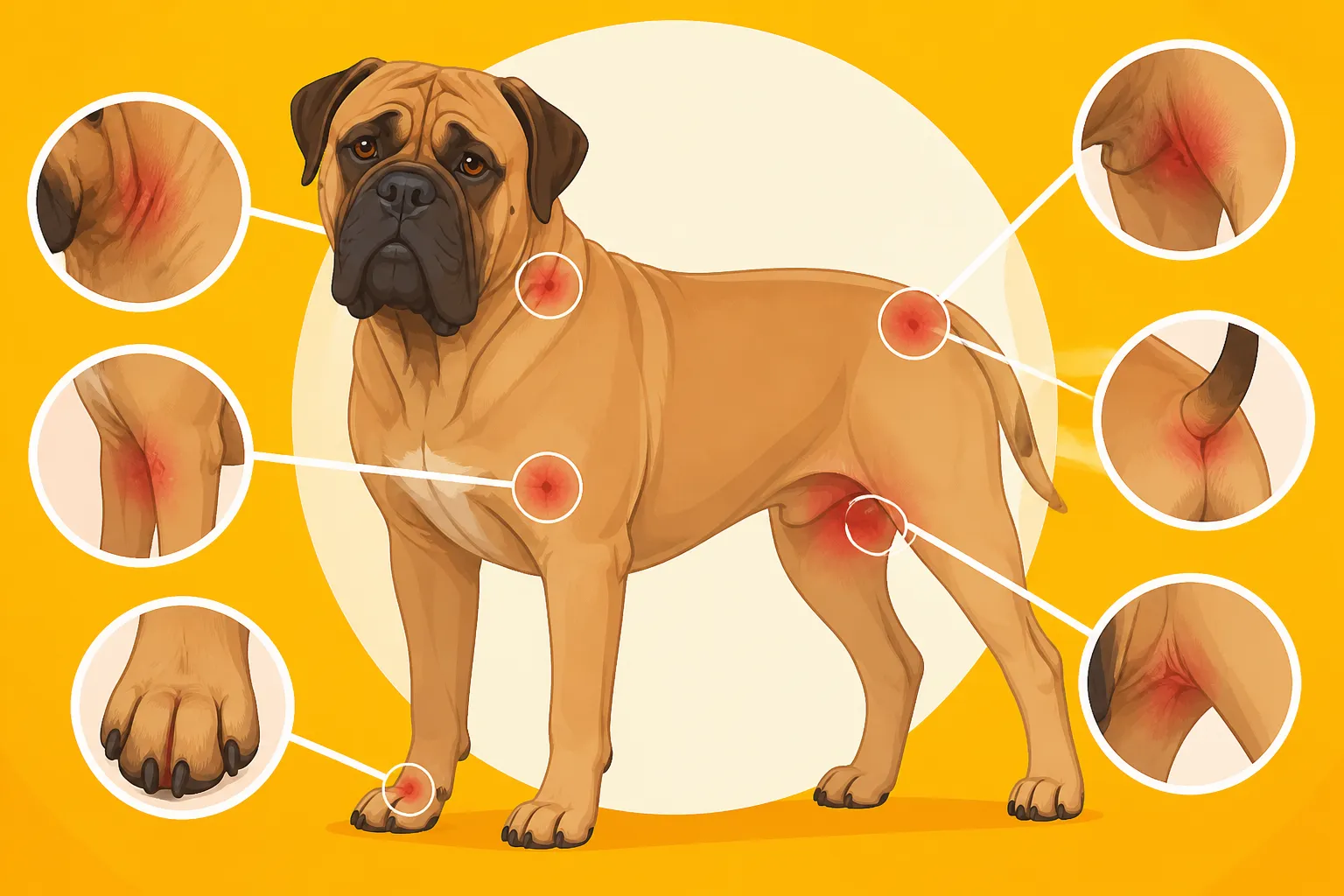
When a hot spot appears on a Bullmastiff, it rarely picks a convenient or easy-to-reach spot. Understanding where these nasty patches tend to crop up can help you be more vigilant in your daily checks and target preventative measures effectively.
The Usual Suspects: Face Folds and Neck
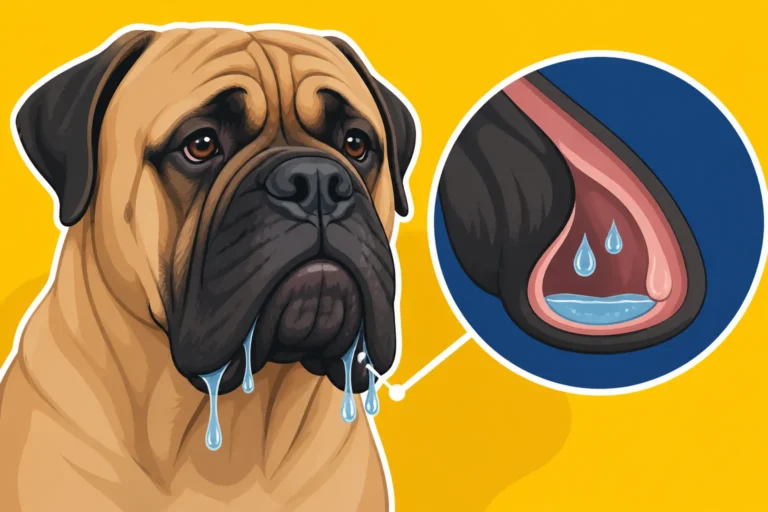
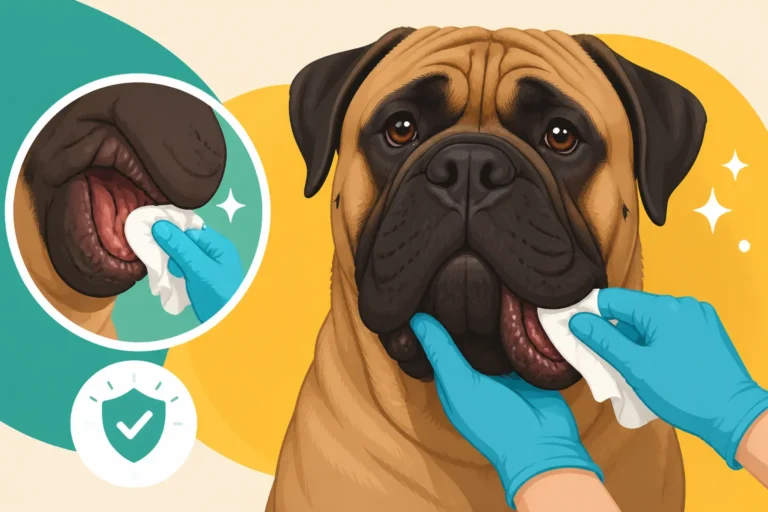
One of the most frequent places you'll find a hot spot on a Bullmastiff is around their face and neck, particularly within or beneath their signature wrinkles and jowls. The loose skin, especially the impressive The Wrinkles and Folds on a Bullmastiff's Face, can trap a surprising amount of moisture, saliva, and food debris. When these areas aren't cleaned and dried regularly, they become moist, warm environments, ripe for bacterial overgrowth. A Bullmastiff might also rub their face on the carpet or furniture due to an itch, further irritating the skin in these sensitive zones. You might notice your dog scratching their ear or neck with a hind leg, inadvertently causing tiny abrasions that then turn into a full-blown hot spot overnight. It's truly a challenge to keep these areas pristine, but regular care is crucial.
Underneath Collars and Harnesses
The constant friction and restricted airflow underneath your Bullmastiff's collar or harness can be another common culprit. Especially if your dog wears a collar almost continuously, or if it gets wet during walks or playtime and isn't allowed to dry completely, the skin underneath can become macerated and irritated. Imagine how uncomfortable a damp, tight band would feel against your own skin for hours – it's no different for your Bullmastiff. This is particularly true during warmer months or after a swim. Even a perfectly fitting collar can rub if the dog has a sudden burst of energy or is intensely focused on something, causing the hair to mat and the skin to become tender. Regularly checking these areas when you remove their gear is essential for early detection.
Lower Legs and Paws
Bullmastiffs spend a lot of time on their feet, and their paws and lower legs are constantly exposed to environmental irritants. Hot spots often pop up between the toes, on the top of the paw, or along the lower part of the leg. This can be directly linked to environmental allergies, where pollen or grass allergens irritate the skin, causing intense itching. Your Bullmastiff might then lick and chew their paws to self-soothe, inadvertently creating a hot spot. Flea bites on the lower legs can also initiate this cycle. If you've ever seen your Bullmastiff obsessively licking a paw, that's often the precursor to one of these lesions forming. Regular cleaning after outdoor adventures and checking for debris or redness are key preventative steps.
Base of the Tail and Hips
While less common than the face or legs, hot spots can also appear at the base of the tail or on the hips, particularly if there's an underlying issue. Flea allergy dermatitis is a huge trigger here; just one flea bite on a hypersensitive Bullmastiff can set off a chain reaction of intense itching and self-mutilation. Sometimes, mats can form in the fur around the tail, especially if the dog isn't brushed regularly, trapping moisture and creating an ideal environment for a hot spot. In some cases, anal gland issues can cause a dog to scoot or lick excessively around the tail base, leading to irritation and a subsequent hot spot. These areas are harder to spot quickly due to their location, requiring you to lift the tail and examine the skin underneath periodically.
Recognizing and Responding to a Bullmastiff's Hot Spot
Catching a hot spot early is absolutely critical to preventing it from becoming a large, weeping mess. The faster you act, the less discomfort your Bullmastiff will endure and the simpler the treatment will be.
Signs to Look For
A hot spot typically presents as a rapidly developing, round or irregularly shaped lesion. The first thing you'll probably notice is an area of matted, wet hair, often with a sticky discharge. If you gently part the hair, you'll see bright red, inflamed skin that looks raw and angry. It will likely be warm to the touch and your Bullmastiff will probably react with discomfort if you try to examine it too closely. They might continually lick, chew, or scratch the area, sometimes even aggressively. The speed at which these lesions grow is astonishing; what was a tiny red spot in the morning can be a golf ball-sized raw area by evening. Be extra vigilant if your dog seems to be licking one particular spot more than usual, even if you can't see anything yet. This is your earliest warning sign.
Immediate First Aid at Home
As soon as you suspect a hot spot, immediate action can make a world of difference. First, you need to gently but firmly trim the hair around and away from the affected area. This might sound scary, especially if your Bullmastiff is in pain, but it's crucial for air circulation and to properly assess the extent of the lesion. Use blunt-nosed scissors or electric clippers with a guard. The goal is to expose the entire hot spot and about an inch or two of healthy skin around it.
Next, you'll need to clean the area. A mild antiseptic solution like diluted chlorhexidine or povidone-iodine solution (often available at pharmacies or pet stores) can be very effective. Gently dab the solution onto the hot spot with a clean cotton ball or soft cloth, avoiding harsh scrubbing. The idea is to remove any crust, pus, or debris. Once clean, allow the area to air dry completely. Do not cover it with a bandage, as this traps moisture and makes the problem worse. The final, and perhaps most challenging, step is to prevent your Bullmastiff from licking, chewing, or scratching the spot. An Elizabethan collar (e-collar or "cone of shame") is usually necessary. You can find these at most pet supply stores or online through retailers like Chewy or Amazon. Remember, any continued self-trauma will undo all your efforts.
When to See the Vet
While prompt home care can sometimes nip a mild hot spot in the bud, it's vital to know when professional veterinary attention is needed. You should definitely make an appointment if:
- The hot spot is large or rapidly spreading despite your efforts.
- Your Bullmastiff is showing signs of significant pain, lethargy, or a fever.
- The area is particularly deep, has a foul odor, or looks severely infected.
- This is a recurring problem, suggesting an underlying cause that needs diagnosis.
- Your dog won't tolerate your attempts at cleaning or wearing an e-collar.
Your vet can properly diagnose the cause, rule out other skin conditions, and prescribe stronger medications. This might include oral antibiotics to combat the bacterial infection, corticosteroids to reduce inflammation and itchiness, or medicated topical sprays and creams. Don't hesitate to seek help; leaving a hot spot untreated can lead to deeper skin infections and prolonged discomfort for your dog.
Preventing Future Hot Spots on Your Bullmastiff
Prevention is always better than cure, especially when it comes to the painful and irritating nature of hot spots. By implementing a few key care strategies, you can significantly reduce your Bullmastiff's risk of developing these unwelcome lesions.
Regular Grooming and Skin Care
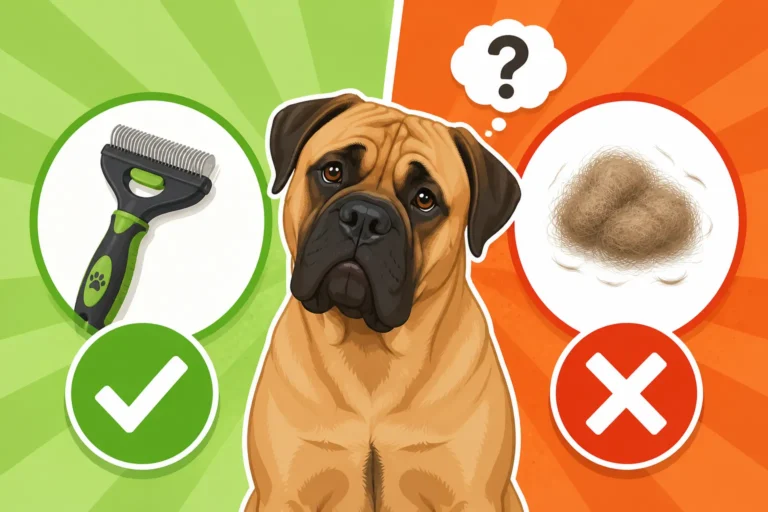
Consistent grooming is paramount for Bullmastiffs. While their short coats might seem low-maintenance, they still benefit from regular brushing, especially during shedding seasons. How Much a Bullmastiff Sheds might surprise you, and regular brushing helps remove dead hair that can trap moisture and debris. More importantly, those adorable facial folds need diligent attention. Learning How to Clean a Bullmastiff's Face Wrinkles is not just about hygiene, it's about preventing a common hot spot location. Use a soft cloth dampened with plain water or a veterinarian-approved facial wipe to clean inside the folds daily, then ensure they are completely dry afterwards. This simple routine can prevent a lot of grief. Don't forget to check under the chin and around the neck too.
Managing Allergies and Flea Control
Many hot spots are merely a symptom of a deeper issue, and allergies are a prime suspect. If your Bullmastiff experiences frequent hot spots, especially on the feet, face, or rear, talk to your vet about allergy testing or management strategies. This could involve dietary changes (such as trying a novel protein or hydrolyzed diet, potentially exploring brands like Ollie if recommended by your vet), environmental modifications, or anti-allergy medications. Regular, year-round flea and tick prevention is also non-negotiable, even if you don't see fleas. A single flea bite can trigger a massive allergic reaction in a sensitive dog, initiating the hot spot cycle. Consult your vet for the most effective preventative products for your Bullmastiff’s size and lifestyle.
Environmental Considerations
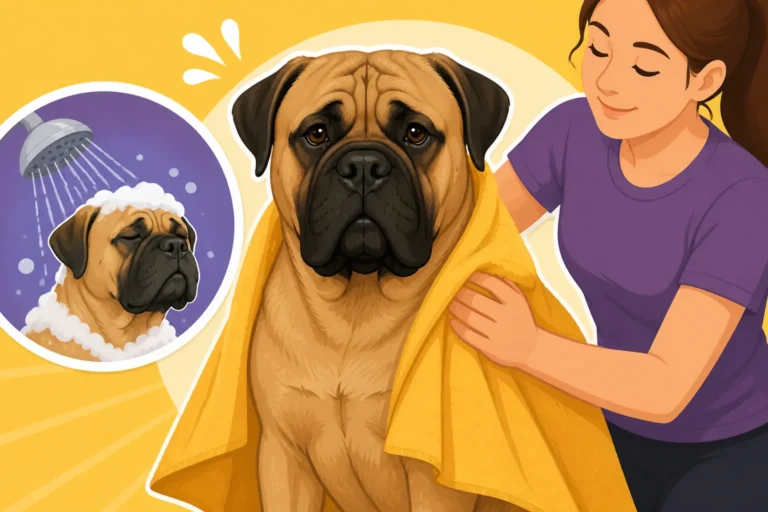
Your Bullmastiff's environment plays a big role in their skin health. During hot, humid weather, be extra vigilant. After baths or swims, make sure your Bullmastiff is thoroughly dried, especially in areas prone to trapping moisture like under the armpits, belly, and tail base. Avoid leaving wet towels on them, and consider using a dog-specific blow dryer on a cool setting if your dog tolerates it. What Temperature Is Dangerous for a Bullmastiff highlights how easily they can overheat, and this also contributes to skin issues. Ensure they have plenty of shade and cool places to rest. Their bedding should be clean and dry; damp bedding can contribute to skin problems.
Nutritional Support for Skin Health
A healthy diet provides the building blocks for healthy skin and a robust immune system, which can help your Bullmastiff fend off skin irritations. Look for high-quality dog foods that list meat as the first ingredient and contain omega-3 and omega-6 fatty acids. These essential fatty acids are crucial for maintaining skin barrier function and reducing inflammation. Supplements like fish oil or flaxseed oil can often be added to your Bullmastiff's diet to further support skin and coat health. Always discuss any dietary changes or supplements with your veterinarian, especially for a large breed like the Bullmastiff, to ensure proper balance and avoid potential interactions. Keeping a Bullmastiff Lean Is the Best Thing You Can Do for their overall health also extends to their skin, as excess weight can create more skin folds and increase friction.
Hot Spot Prevention & Management at a Glance
| Location | Common Causes | Prevention Tips |
|---|---|---|
| Face Folds & Neck | Trapped moisture, saliva, food debris, friction | Daily cleaning and thorough drying of folds (see How to Clean a Bullmastiff's Face Wrinkles), regular checks under the chin. |
| Under Collar/Harness | Friction, trapped moisture, lack of airflow | Remove collar/harness when indoors, ensure skin and equipment are dry, check regularly for rubbing or matting. |
| Lower Legs & Paws | Allergies (environmental/food), flea bites, licking, foreign bodies | Regular paw cleaning after outdoor activities, prompt attention to licking, consistent flea prevention, allergy management with vet, checking between toes. |
| Base of Tail & Hips | Flea allergy, matted fur, anal gland issues | Year-round flea control, regular brushing to prevent mats (see How Often a Bullmastiff Needs Brushing), checking under the tail, addressing anal gland concerns with vet. |
| General Body | Allergies, insect bites, underlying skin conditions | Good overall skin health through diet and supplements, prompt treatment of any itching, maintaining a healthy weight (How to Feel a Bullmastiff's Ribs), regular grooming. |
Catching and treating hot spots on your Bullmastiff can feel like a constant battle, but with vigilance, good grooming habits, and a proactive approach to their overall health, you can minimize their occurrence. Remember, your Bullmastiff relies on you to be their advocate and caretaker, and addressing skin issues promptly is a big part of that responsibility.
Disclaimer
This article is for general informational purposes only and does not constitute professional advice. Laws, prices and regulations vary by location and change over time. Consult a qualified professional for guidance on your specific situation.