A Bullmastiff Is Not Grown Up Until Three
Bringing a Bullmastiff puppy into your home is an incredible adventure, full of clumsy paws, adorable wrinkles, and surprisingly loud snores. But if you’re expecting to have a fully grown, mentally mature, and settled adult dog by their first birthday, or even their second, you're in for a surprise. Many Bullmastiff owners, myself included, have faced the unique challenge of navigating what feels like an extended puppyhood. This guide will help you understand why your beloved Bullmastiff might still be acting like a giant toddler well into their third year and how you can best support their journey to true canine adulthood.
Understanding Bullmastiff Maturity: It's a Marathon, Not a Sprint
The sheer size and robust appearance of a Bullmastiff can be deceiving. You see a massive dog, perhaps 100 pounds or more, by the time they're a year old, and it's easy to assume they're "all grown up." Yet, beneath that impressive exterior, both their physical and mental development are often still very much in progress. This prolonged maturation period is a hallmark of many large and giant breeds, but it often catches new Bullmastiff owners off guard.
When we talk about a Bullmastiff not being truly grown up until three years old, we're really encompassing a blend of physical, mental, and emotional development. It's not just about their height or weight; it's about the settling of their personality, the strengthening of their judgment, and the full development of their impulse control. This means that many of the behaviors you might associate with a rambunctious puppy – the stubbornness, the boundless energy (in short bursts, of course!), and the selective hearing – can persist far longer than you'd expect in, say, a terrier or even a Labrador. It can be incredibly frustrating to be working on a command for months, only to have your seemingly adult dog decide a squirrel is infinitely more interesting than your plea to "come!"
What "Not Grown Up Until Three" Really Means
For a Bullmastiff, "not grown up until three" means their brain is still playing catch-up to their body. Physically, they might look like formidable adults by 18 months, but mentally, they're often still navigating the complexities of their world with the impulsivity and curiosity of a much younger dog. This isn't a sign of low intelligence; rather, it’s about their neurological development. The frontal lobe, responsible for executive functions like planning, impulse control, and emotional regulation, continues to mature. Just like human teenagers, canine adolescents, especially giant ones, need time to fully develop these cognitive abilities.
Owners often compare their Bullmastiff to friends' dogs of other breeds who seem to "get it" much faster. It's a natural comparison, but one that leads to undue stress. While a Border Collie might be ready for advanced obedience trials at a year and a half, your Bullmastiff might still be perfecting polite greetings and loose-leash walking. This extended period requires immense patience and consistent reinforcement from us. Understanding that they aren't purposely defying you, but rather are still learning to manage their impressive physical presence with their developing minds, is crucial for maintaining a healthy relationship and effective training program.
Why Bullmastiffs Take Longer to Mature
There are a few key reasons why Bullmastiffs, like many giant breeds, are on a slower developmental timeline. Firstly, the sheer scale of their physical growth is a huge factor. Building such a large frame takes a tremendous amount of resources and time. Their bones, joints, and musculature are under immense stress during these formative years. This impacts not just their physical capabilities but also their overall energy allocation and even their capacity for sustained mental focus. A puppy that is channeling all its energy into growing rapidly might have less mental bandwidth for complex training tasks.
Secondly, the Bullmastiff's original purpose plays a role. They were bred to be silent, deliberate guardians, capable of tracking and holding a poacher without inflicting harm. This required a thoughtful, observant, and sometimes independent nature, rather than a frantic, eager-to-please temperament. This deliberate approach often translates into a dog that "pauses to decide whether you are worth it" before obeying a command, as we often joke. Why a Bullmastiff Pauses Before Obeying They're not necessarily stubborn or disobedient; they're processing, evaluating, and sometimes prioritizing their own instincts. This innate trait, combined with delayed mental maturity, means training takes longer to solidify into automatic, reliable behavior. Their intelligence isn't questioned, but their motivation and response time can be distinctly different from breeds bred for high-speed, repetitive tasks.
The Physical Milestones: When the Body Catches Up
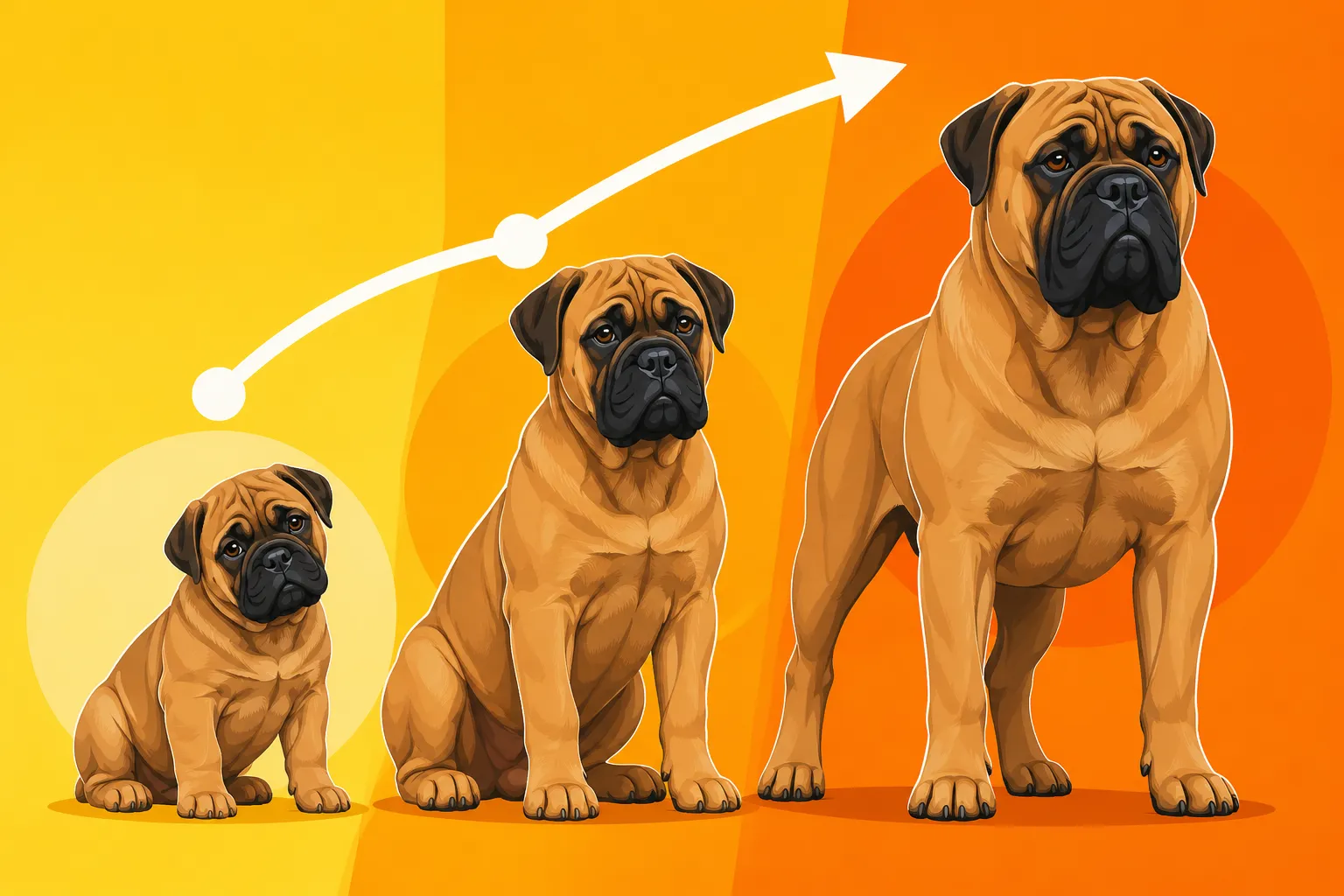
It's astonishing how quickly a Bullmastiff puppy transforms from a small, wrinkly bundle into a substantial dog. At just a few months old, they're already bigger than many adult small breeds. By a year, they can easily weigh over 100 pounds. However, this rapid initial growth doesn't mean their physical development is complete. In fact, some of the most critical structural development continues well into their second year, and sometimes even longer, which has significant implications for their care and exercise.
Growth Plate Closure and Bone Development
The "growth plates" are areas of cartilage at the ends of a puppy's long bones. These plates gradually harden and close as the puppy matures, signaling the end of bone lengthening. In Bullmastiffs and other giant breeds, these growth plates close much later than in smaller dogs. While a small dog's growth plates might be closed by 8-10 months, a Bullmastiff's can remain open until 18 months or even later. When a Bullmastiff's Growth Plates Close This extended period means their bones and joints are more vulnerable to injury from excessive or high-impact exercise.
Imagine a towering adolescent Bullmastiff, all legs and clumsy enthusiasm, trying to keep up with an adult human on a long run. Their visible size can trick us into thinking they're robust enough for anything, but their internal skeletal structure is still fragile. Over-exercising a young Bullmastiff, allowing them to jump excessively, or engaging in strenuous, repetitive activities on hard surfaces can lead to irreversible damage to their developing joints, contributing to issues like hip or elbow dysplasia later in life. It's why experts stress slow, steady growth and moderate, age-appropriate exercise for these magnificent creatures.
Reaching Full Height vs. Filling Out
One common observation among Bullmastiff owners is that their dog seems to shoot up in height relatively quickly, often reaching their full adult stature by 12 to 18 months. At this point, they can look quite gangly and somewhat awkward, all legs and not much depth or breadth. They haven't yet "filled out" to match their impressive height. This filling out process, where they gain muscle mass, chest depth, and overall bone density, continues for another year or even longer.
It's during this phase, from roughly 18 months to three years, that a Bullmastiff transitions from a tall, lanky adolescent to the truly majestic, powerful adult we recognize. Their chests broaden, their heads mature, and their musculature develops, adding significant weight and substance. This is also when their coordination improves, and they become less prone to their signature clumsy moments. Maintaining a lean body condition during this entire growth period is paramount. Keeping a Bullmastiff Lean Is the Best Thing You Can Do Excess weight puts undue strain on those still-developing joints and can hinder healthy muscle development, impacting their long-term soundness.
Adolescence in the Giant Breed: The 'Teenage' Years
Ah, canine adolescence. For owners of smaller, faster-maturing breeds, this phase might last a few months. For Bullmastiff owners, it feels like an eternity. Your dog might be physically huge, but their brain is still very much in the "teenager" phase, replete with testing boundaries, selective hearing, and bursts of unbridled, often clumsy, enthusiasm. It's a time when you truly learn the meaning of patience and consistent leadership.
The "Testing Limits" Phase
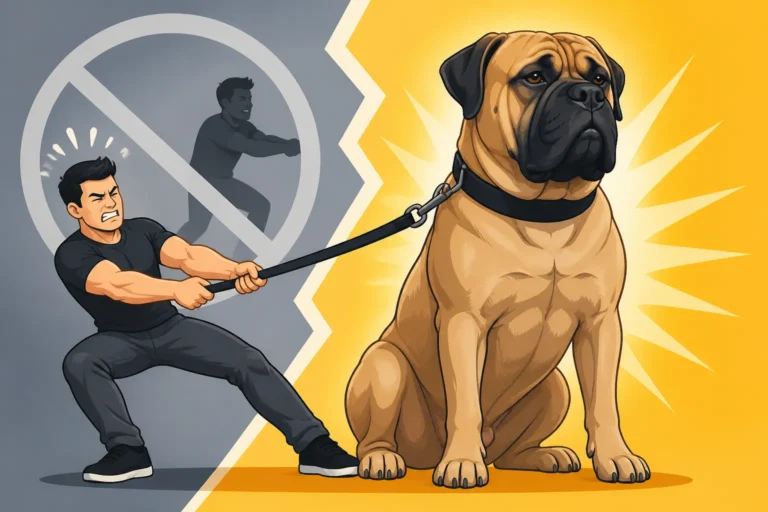
Around 9 to 18 months, Bullmastiffs often enter a phase where they start to test boundaries and "forget" previously learned commands. This isn't necessarily defiance, but a natural part of their developmental process. They're gaining confidence, exploring their independence, and trying to figure out where they stand in the household hierarchy. Commands they once obeyed without question might suddenly be met with a slow blink, a head tilt, or a direct refusal. When a Bullmastiff Tests Its Owner Your Bullmastiff might pull on the leash after months of perfect walking, or decide that coming when called is optional when there's an interesting scent involved.
This can be incredibly frustrating, especially with a dog that already outweighs you. It's vital during this period to double down on your positive reinforcement training. Avoid becoming angry or resorting to harsh corrections, which can damage your bond and make a sensitive Bullmastiff shut down or become fearful. Instead, treat it as an opportunity to reinforce all the basics, making sure your expectations are clear and consistent. Rewards should be high-value, and training sessions kept fun and engaging to cut through their adolescent distractions.
Surge in Confidence and Hormones
As Bullmastiffs mature into adolescence, their confidence levels often surge. This newfound self-assurance, combined with fluctuating hormones (if they are intact), can lead to new behavioral challenges. You might notice them becoming more vocal with strangers, more wary of unfamiliar dogs, or starting to "guard" resources like toys or even you. When a Bullmastiff Hits Adolescence While a certain level of protectiveness is inherent to the breed, an adolescent who isn't properly socialized and trained can become overly reactive or fearful.
For male Bullmastiffs, this can be a time when same-sex aggression might start to emerge, particularly if they are unneutered. Even for spayed females, increased confidence can manifest as bossiness towards other dogs. Continued, controlled socialization with well-behaved, stable adult dogs is crucial during this phase. It's about teaching them appropriate social skills and reinforcing that you are the one who handles potential threats, not them. Remember, a confident Bullmastiff needs clear guidance from a confident leader.
Managing Destructive Tendencies
A bored or under-stimulated Bullmastiff, especially an adolescent one with undeveloped impulse control, can be a destructive force of nature. Their powerful jaws and sheer size mean they can make quick work of furniture, shoes, or anything else that catches their interest. While they are often described as relatively low-energy, they still require mental and physical stimulation to prevent boredom-induced mischief. What a Bored Bullmastiff Destroys
Providing appropriate outlets for their chewing instincts is key. Invest in heavy-duty, indestructible chew toys that can withstand their formidable bite. Brands available on Amazon often offer a range of robust toys specifically designed for giant breeds. Puzzle toys that dispense treats can also be excellent for engaging their minds and keeping them occupied. Beyond toys, consistent, short bursts of training and controlled exercise can help burn off excess mental and physical energy. Remember, prevention is always easier than trying to repair a chewed-up couch!
Mental Development: The Slow Road to Canine Adulthood
While a Bullmastiff’s physical growth is impressive to witness, it’s their mental and emotional development that truly defines when they become a "grown-up." This isn't a race, but a steady, gradual process that unfolds over years, not months. It’s about building a solid foundation of self-control, understanding, and emotional resilience that allows them to navigate the world as the calm, steady companions they are meant to be.
Developing Impulse Control and Emotional Regulation
One of the most significant indicators of mental maturity in any dog, and particularly in a large breed like the Bullmastiff, is the development of impulse control. A young Bullmastiff might still launch themselves at guests in a burst of friendly (but overwhelming) enthusiasm, or react with a dramatic lunge and bark at a passing bicycle. A truly mature Bullmastiff, on the other hand, learns to process these stimuli without immediately acting on their first instinct. They learn to "sit" and wait for a greeting, or to observe the bicycle without reaction, because they've developed the mental circuitry to pause and regulate their emotions.
This emotional regulation means fewer "teenage tantrums" when they don't get their way and a more consistent, predictable demeanor. It’s the difference between a dog that bounces off the walls when the doorbell rings and one that calmly goes to their mat until invited to greet. This doesn't happen overnight. It's the result of countless repetitions of "leave it," "stay," and "settle," all reinforced with positive experiences. Every time you ask your Bullmastiff to wait before eating their meal or to sit patiently while you leash them, you are building these crucial neurological pathways for impulse control.
Deeper Understanding of Commands and Routines
Early training focuses on teaching your Bullmastiff the action associated with a command. "Sit" means butt on the floor, "stay" means don't move. A mentally mature Bullmastiff, however, develops a deeper understanding of these commands and their context. They grasp the concept behind the cue, integrating it seamlessly into their daily life rather than just performing a rote action. For example, a young Bullmastiff might sit when told, but a mature one understands that "sit" is also implied when waiting at a door, or when greeting someone politely.
Routines become more ingrained and require less prompting. The mature Bullmastiff knows the rhythm of the household: when it’s time for a walk, when it’s time to eat, and when it’s time to settle down for the evening. This predictability is comforting for them and makes for a much calmer household. Their natural deliberate nature means they often appear thoughtful even as adults, but this thoughtfulness becomes a reliable asset when paired with full mental maturity, making them incredibly intuitive and responsive companions. They learn to anticipate, rather than just react, which is a significant step towards true adulthood.
Training and Socialization: Adapting to the Extended Puppyhood
Given that a Bullmastiff's maturity timeline extends far beyond that of many other breeds, our approach to training and socialization must also adapt. It's not enough to attend puppy classes for a few months and then consider your dog "trained." For a Bullmastiff, these early foundations are just the beginning of a multi-year commitment to shaping a well-mannered, confident, and reliable companion.
The Importance of Ongoing Training, Not Just Puppy Classes
Puppy classes are invaluable for exposing your young Bullmastiff to new sights, sounds, people, and other puppies, laying down crucial early socialization and basic obedience. The First Year With a Bullmastiff Puppy However, many owners mistakenly believe that once their dog graduates from puppy class or even reaches their first birthday, formal training can cease. With a Bullmastiff, this couldn't be further from the truth. Their extended adolescence means that consistency and continued reinforcement of commands are vital for years. Think of it as continuing education.
Regular, short training sessions, even just 5-10 minutes a few times a day, can make a huge difference. Revisit basic commands like sit, stay, and come in different environments and with increasing distractions. This helps solidify their understanding and ensures reliability as they mature. Consider enrolling in intermediate or advanced obedience classes, or even exploring dog sports that cater to their strength and temperament, such as scent work or carting. Online training platforms can also be a fantastic resource for continued learning. For instance, BAXTER & Bella offers comprehensive online programs that can guide you through various stages of your Bullmastiff's development, offering ongoing support well beyond puppyhood. This continuous engagement keeps their minds sharp and reinforces good habits.
Socialization Beyond the First Year
Just like training, socialization isn't a "one and done" checklist item completed in puppyhood. As your Bullmastiff enters adolescence and young adulthood, it's crucial to continue exposing them to a variety of positive experiences. Their increasing size and developing guardian instincts mean that these ongoing exposures are vital to ensure they remain confident, friendly, and non-reactive in different situations. A Bullmastiff's natural inclination is often to be reserved with strangers, so positive introductions are paramount. How a Bullmastiff Greets a Stranger
Continue to introduce them to new places, sounds, and different types of people (children, elderly, people with hats or umbrellas). Attend dog-friendly events or places where they can observe the world calmly. Controlled interactions with calm, well-socialized adult dogs are also beneficial, reinforcing good canine manners. This isn't about making them overly gregarious with everyone, which goes against their nature, but about teaching them to be politely neutral and accepting of novel situations under your guidance. Ongoing positive socialization helps prevent the emergence of fear-based reactivity or over-guarding behaviors that can sometimes develop in giant breeds as they mature if not properly managed.
Patience, Consistency, and Positive Reinforcement
These three pillars are non-negotiable when training a Bullmastiff, especially during their protracted developmental period. Bullmastiffs are sensitive souls despite their intimidating appearance. Harsh corrections, yelling, or physical punishment will not only be ineffective but can also severely damage the trusting bond you have with your dog, potentially leading to fear or aggression. Why Harsh Correction Fails on a Bullmastiff
Instead, focus on positive reinforcement. Reward desired behaviors with high-value treats, praise, and gentle affection. Be patient when they seem to "forget" a command or test a boundary; simply and calmly redirect them to the correct behavior. Consistency is key: every family member must enforce the same rules, every time. If "no jumping" means no jumping sometimes, but it's okay when you're wearing old clothes, your Bullmastiff will be confused and continue to jump. Training a Bullmastiff That Weighs More Than You Do With patience, unwavering consistency, and a positive approach, you will gradually guide your Bullmastiff through their long adolescence to become the magnificent, well-behaved adult you envisioned.
Living with a Long-Term Adolescent: Practical Strategies
Living with a Bullmastiff during their extended adolescence can be both incredibly rewarding and, at times, incredibly challenging. Their size, combined with their still-developing minds, means that specific strategies are needed to maintain a harmonious household and ensure their safety, as well as the safety of those around them. This isn't just about training; it's about thoughtful management of their environment and interactions.
Setting Clear Boundaries and Expectations
One of the most crucial things you can do is establish clear, non-negotiable boundaries from day one and enforce them consistently. What might be an adorable leap onto your lap for a 20-pound puppy becomes a dangerous, house-rocking event for a 120-pound adolescent. Decide early what behaviors are acceptable and unacceptable, and stick to your rules. This includes things like jumping on people, counter surfing, and where they are allowed in the house.
Because of their impressive strength, managing an adolescent Bullmastiff also involves selecting appropriate equipment. A sturdy, well-fitting harness or a head halter can be invaluable for teaching loose-leash walking and preventing them from pulling you off your feet during walks. Teaching a Bullmastiff to Walk on Leash This management helps you maintain control while their training is still in progress, reinforcing that you are in charge of their movement and interactions. Clear rules create a predictable environment, which helps a still-maturing Bullmastiff feel secure and understand their role.
Providing Ample Mental and Physical Stimulation
While Bullmastiffs are not endurance athletes, a common misconception is that they require very little exercise. An adolescent Bullmastiff, even with their lower energy levels compared to some other breeds, still needs appropriate physical and mental stimulation to prevent boredom and destructive behaviors. What a Bullmastiff Does All Day Short, structured walks are good, but avoid long, strenuous runs or activities that put excessive strain on their still-developing joints. The Exercise Limit for a Bullmastiff Puppy
Mental exercise is just as, if not more, important. Bullmastiffs are intelligent and enjoy using their brains. Puzzle toys, scent games, and short, engaging training sessions can keep them mentally stimulated. Teach them new tricks, practice "find it" games, or engage them in interactive play that requires problem-solving. What Mental Work a Bullmastiff Needs This mental enrichment helps channel their energy constructively, reducing the likelihood of them inventing their own "games" like chewing on your favorite armchair or excavating your backyard.
Managing Interactions with Children and Other Pets
An adolescent Bullmastiff's size and developing impulse control necessitate careful management of their interactions with children and other household pets. While Bullmastiffs are generally known for being good with children, their sheer bulk means they can accidentally knock over a small child with an enthusiastic wag of a tail or an accidental bump. A Bullmastiff With Children Always supervise interactions, teaching both your Bullmastiff and your children how to interact safely and respectfully. Teach your dog a solid "off" or "four on the floor" command, and ensure children understand that dogs are not toys and need their space.
Similarly, introductions to new pets or ongoing management with existing ones need a thoughtful approach. An adolescent Bullmastiff's surge in confidence might lead them to test boundaries with a resident cat or smaller dog. Never leave them unsupervised until you are absolutely confident in their established, consistent behavior. Use crates or baby gates to create safe spaces for all animals in the home, especially during these developmental years, ensuring everyone feels secure and respected.
The Three-Year Mark and Beyond: What True Adulthood Looks Like
After what might feel like an endless journey through puppyhood and adolescence, reaching the three-year mark with a Bullmastiff is often a moment of profound satisfaction for owners. This is typically when they truly settle into their adult selves, blossoming into the magnificent, stable, and devoted companions they are destined to be. All the patience, consistency, and hard work you invested during those formative years truly pays off.
The Settled, Confident Companion
By three years of age, most Bullmastiffs have completed not only their physical growth but also a significant portion of their mental and emotional maturation. You’ll notice a distinct shift in their demeanor. The impulsive, sometimes clumsy adolescent gives way to a calm, steady presence. Their responses to commands become more reliable and less hesitant. They develop a stronger sense of self-control, displaying greater impulse regulation even in stimulating environments. When a Bullmastiff Finally Settles Down
This isn't to say they become robots, devoid of personality. Far from it! They retain their characteristic affectionate nature, their quiet watchful intelligence, and their goofy moments, but these traits are now underpinned by a settled confidence. They understand their place in the family unit and the rules of the house. This maturity allows their innate guardian instincts to be channeled appropriately, making them excellent, reliable family protectors who can discern true threats from everyday occurrences. The frantic energy of youth is replaced by a dignified calm, making them truly delightful to live with.
The Ongoing Role of the Owner
Even once your Bullmastiff reaches this wonderful stage of maturity, your role as a loving, responsible owner doesn't end. "Grown up" doesn't mean "hands-off." Mature Bullmastiffs still thrive on routine, continued mental engagement, and appropriate physical activity. While the intensity of training might decrease, consistent reinforcement of good behaviors and occasional refresher sessions are always beneficial. Think of it as maintaining a finely tuned instrument.
Regular veterinary check-ups become even more crucial as they mature and head into their senior years. Caring for an Aging Bullmastiff Monitoring their weight, dental health, and overall mobility helps ensure they continue to enjoy their adult years to the fullest. Providing them with a comfortable, supportive orthopedic bed to protect their joints, even before signs of arthritis appear, is a proactive measure that seasoned Bullmastiff owners understand deeply. Your commitment to their well-being extends throughout their entire, albeit sometimes too short, lifespan.
Common Owner Misconceptions About Bullmastiff Maturity
The unique developmental timeline of the Bullmastiff often leads to several common misconceptions among owners, especially those new to the breed or to giant breeds in general. Addressing these can help manage expectations and prevent unnecessary frustration, fostering a more understanding and effective relationship between owner and dog.
Expecting Them to Be Like Other Breeds
One of the biggest traps owners fall into is comparing their Bullmastiff to other dog breeds that mature much faster. Perhaps a friend's Labrador was perfectly behaved at 18 months, or their smaller terrier seemed to learn everything in a flash. It's natural to project these experiences onto a new dog, but it's a disservice to the Bullmastiff. Their deliberate nature, combined with their physical and mental growth curve, simply means they operate on a different clock.
Trying to rush a Bullmastiff's development or expecting them to conform to a smaller breed's maturity timeline will only lead to disappointment and perceived failures. Instead, embrace their unique pace. Celebrate the small victories, understand that consistency over time is key, and appreciate the thoughtful, sometimes pondering, way they approach learning. Once you reset your expectations to "Bullmastiff time," the journey becomes much more enjoyable and less stressful.
Believing Training Ends at One Year
Another widespread misconception is that serious training concludes by a dog's first birthday. For many breeds, this might be a fair assessment of when they have grasped most basic commands and settled into family life. For a Bullmastiff, however, one year old often marks the peak of their adolescent testing period. To stop consistent training at this point is to abandon the ship just as it's sailing into stormy waters.
Continued training, reinforcement, and socialization are paramount during their second and even third years. This doesn't mean daily, hour-long formal sessions, but rather incorporating training into daily life, reinforcing polite manners, and addressing any emerging behavioral quirks with patience and clear guidance. How Trainable a Bullmastiff Is Think of it as refining their education rather than starting it from scratch. The investment of time and effort during these extended developmental years is what truly forges the magnificent, reliable adult Bullmastiff you desire.
Underestimating Their Mental Needs
Because Bullmastiffs are often described as "couch potatoes" or "lazy" as adults, new owners sometimes underestimate their mental needs, especially during their adolescent phase. Their calm demeanor, or their tendency to sprawl out and nap, can mistakenly suggest a dog that doesn't need much mental stimulation. This couldn't be further from the truth. A Bullmastiff's guarding heritage means they are observant and intelligent, constantly taking in their surroundings.
A lack of mental engagement can lead to boredom, which in turn can manifest as destructive chewing, excessive barking (uncommon for Bullmastiffs, but possible), or other undesirable behaviors. Providing regular mental challenges through puzzle toys, training sessions, and interactive games helps keep their minds sharp and content. A tired Bullmastiff is often a well-behaved Bullmastiff, and "tired" often means mentally stimulated, not just physically exhausted. So, don't let their serene appearance fool you – a Bullmastiff's brain needs exercise just as much as their body, if not more, to grow into a well-adjusted adult.
| Age Range | Key Developmental Stage | Common Behaviors/Challenges | Owner Focus |
|---|---|---|---|
| 8 weeks – 6 months | Puppyhood | Rapid growth, teething, high energy, house-training, basic learning, clumsy coordination | Foundational training, socialization, gentle handling, appropriate chew toys |
| 6 months – 18 months | Early Adolescence | Puberty, increased independence, testing boundaries, selective hearing, energy bursts, physical growth spurt | Consistent basic training, firm boundaries, continued positive socialization, appropriate exercise for growth plates |
| 18 months – 3 years | Late Adolescence/Young Adult | Filling out physically, refining impulse control, emotional regulation developing, potentially more stubbornness, guarding instincts maturing | Advanced obedience, mental enrichment, consistent leadership, managing confidence, patience, and understanding |
| 3 years + | Adulthood | Settled demeanor, reliable commands, emotional stability, calm confidence, true companionship, minimal destructive tendencies (if well-trained) | Maintenance training, enjoying companionship, health monitoring, appropriate exercise, continued mental stimulation |
Disclaimer
This article is for general informational purposes only and does not constitute professional advice. Laws, prices and regulations vary by location and change over time. Consult a qualified professional for guidance on your specific situation.